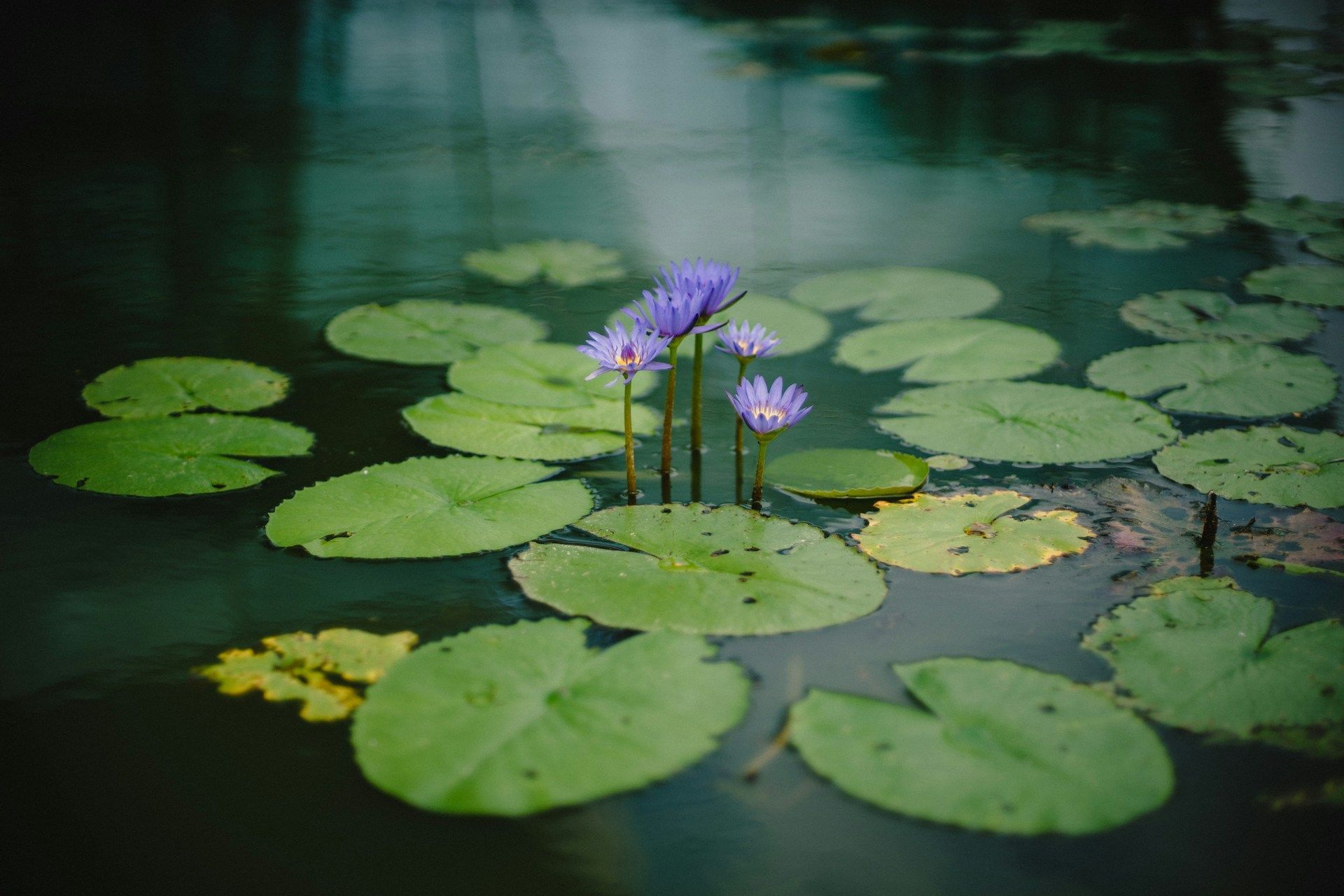
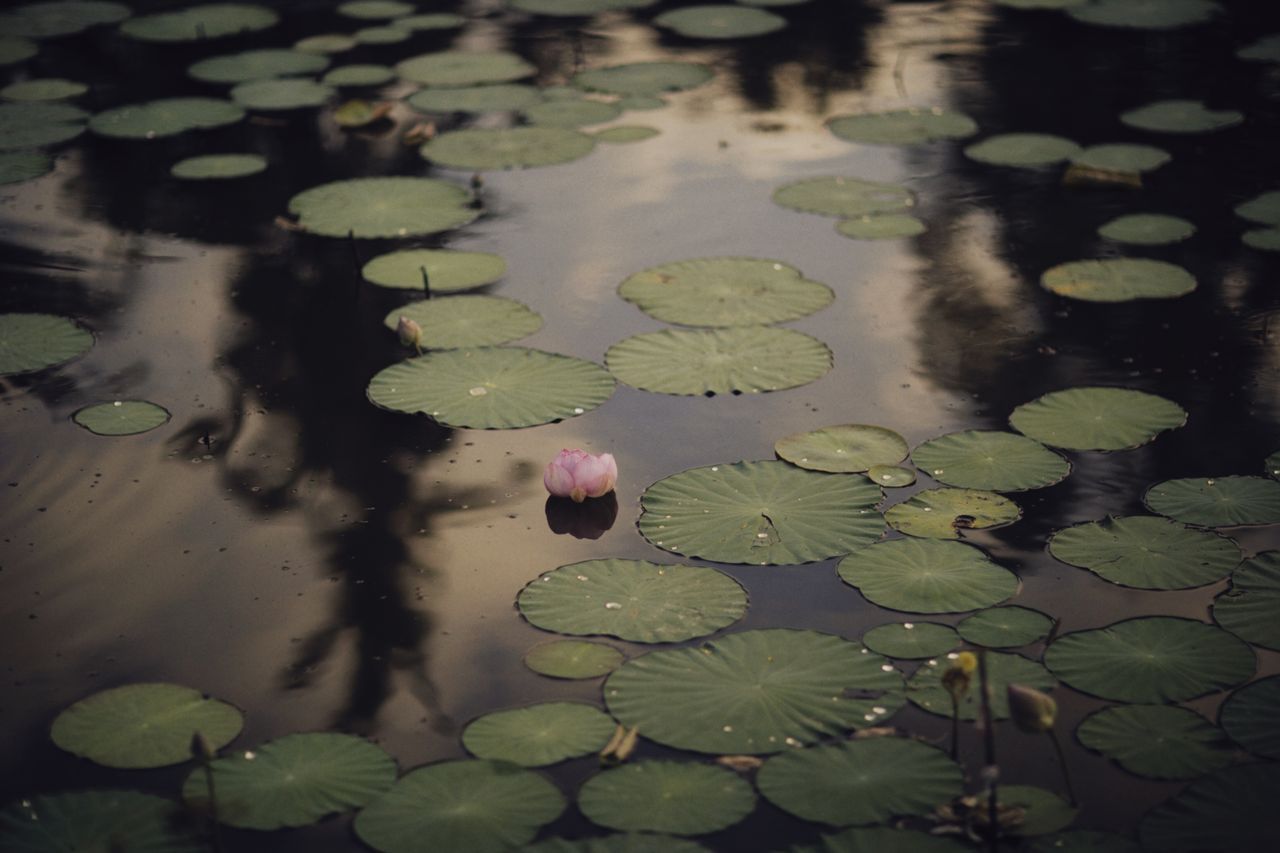
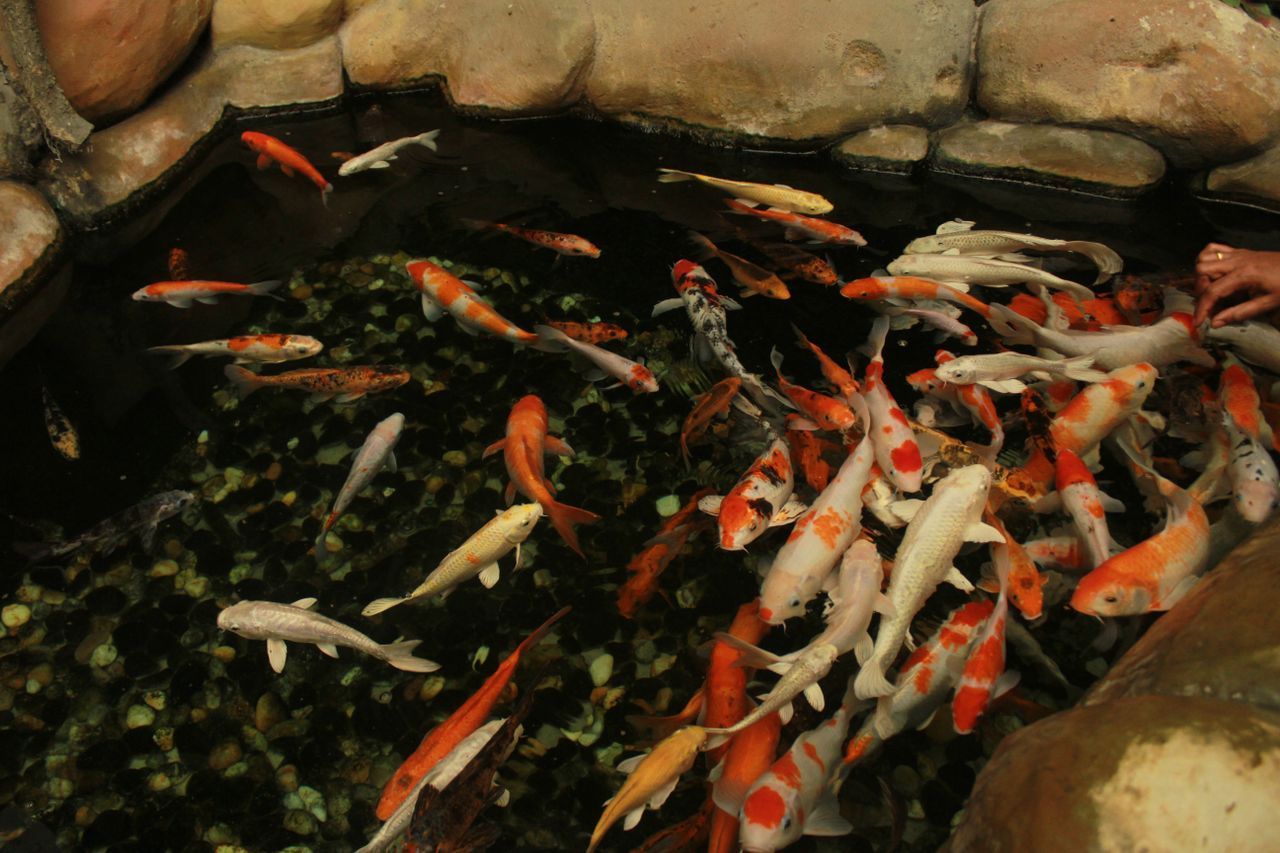
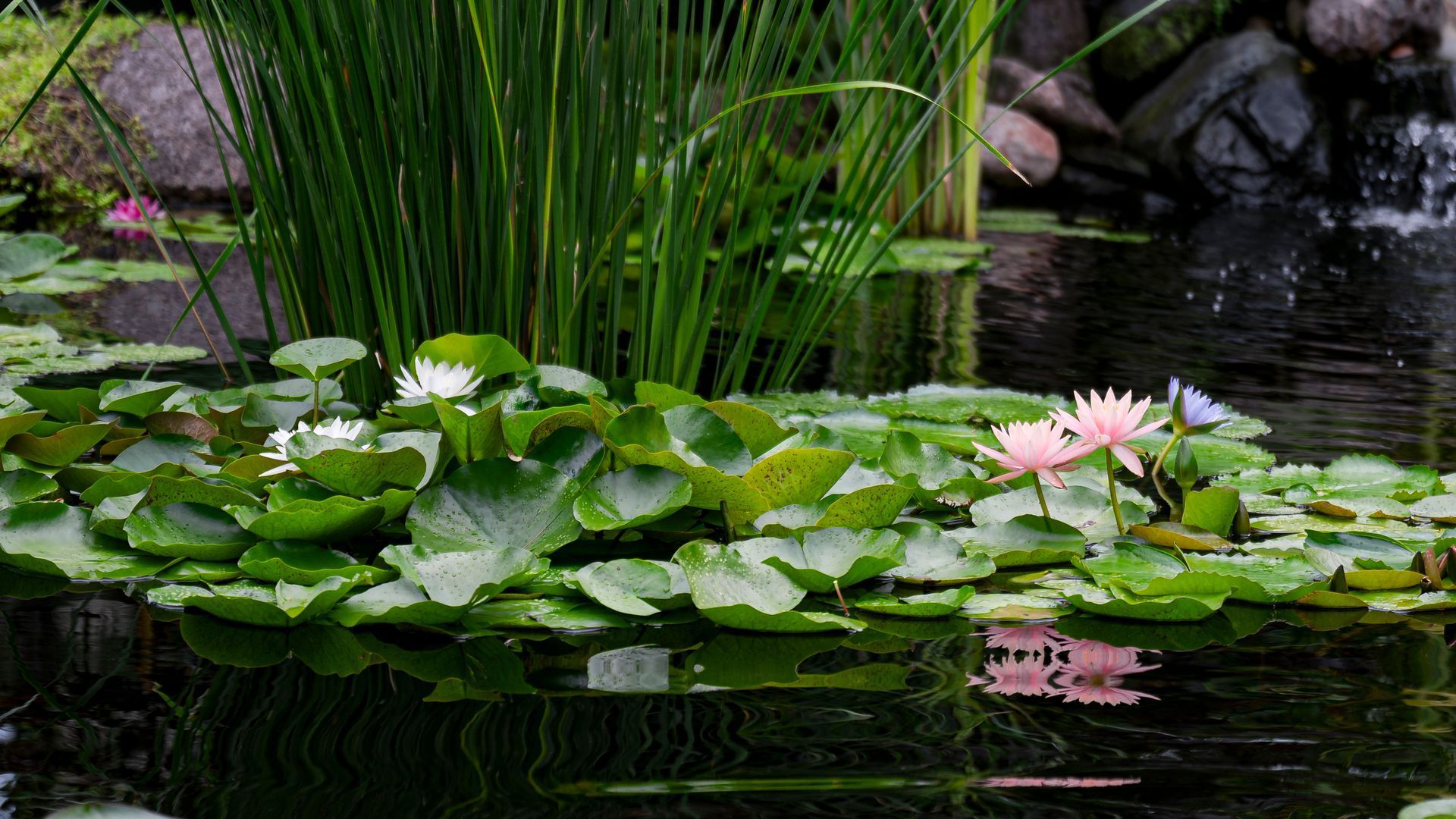
When you picture a relaxing backyard, running water is often part of that scene. Two of the most popular choices are a traditional pond and a pondless waterfall installation.
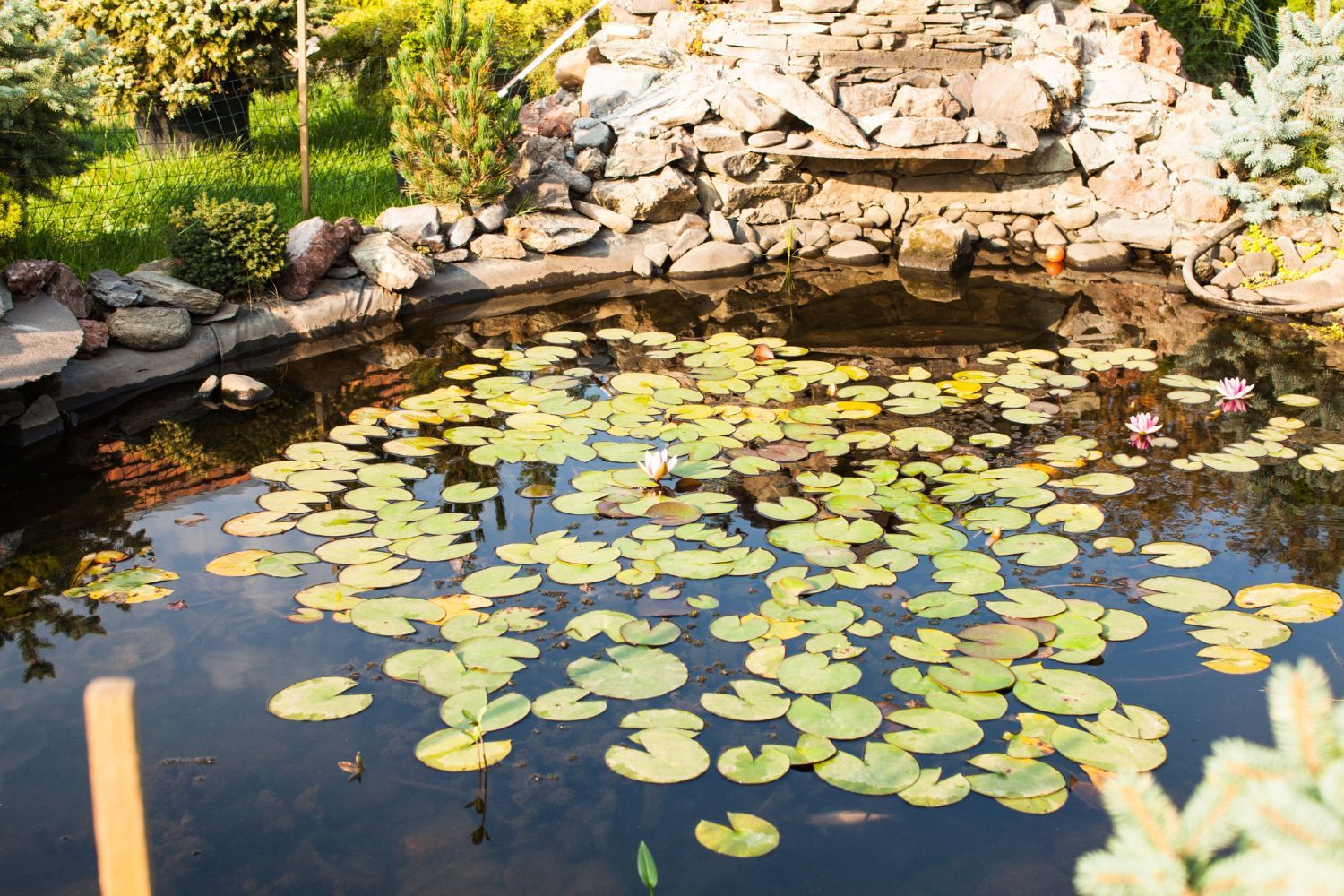
A traditional pond is what most people imagine: a pool of open water, often with rocks, plants, and sometimes fish. A pondless waterfall is different. You see the stream and the waterfall on top, but the water disappears into rock and gravel, then collects in a hidden basin underground and recirculates. There is little or no open water on the surface.
Both options can make your yard feel like a private retreat. In Connecticut and Western Massachusetts, that peaceful feeling is especially welcome in winter, when we spend more time inside looking out at our yards. At the same time, our four-season climate, freezing temperatures, snow, and changing daylight all affect how each type of feature looks, sounds, and works.
That is why it helps to understand the trade-offs. We will look at costs over time, maintenance in our New England weather, safety for families and pets, space in the yard, and how each choice affects wildlife. With that in mind, you can decide if a pondless waterfall installation or a traditional pond fits your home, your family, and the way you like to relax.
Upfront and Long-Term Costs: What to Expect Before You Start Digging
When people start planning a water feature, they usually think first about the design, but cost over time matters just as much. While we are not listing prices, we can share what tends to affect the budget for each type.
For both ponds and pondless waterfalls, the following details can change the cost range:
• Size and length of the feature
• Height of the waterfall or stream
• Type and amount of rock and gravel
• How easy it is to reach your backyard with the equipment
Pondless waterfall installations often have fewer parts above ground, which can mean a simpler build. Traditional ponds usually need more rock work around the edges, more liner exposed at the surface, and more components to keep the water healthy for fish.
Long-term costs also matter. Both options use pumps that need electricity. Larger waterfalls or taller drops usually mean stronger pumps. Over several years, that difference can add up. Ponds may need extra equipment for water clarity and fish health, which can add to energy use and service work.
You will also want to plan for:
• Water top-offs when levels drop
• Seasonal cleaning and tune-ups
• Replacement of worn parts like pumps or lights
• Occasional upgrades to keep things looking fresh
Because a pondless waterfall has less open water and a hidden basin, the system is usually simpler. That can mean fewer long-term repairs and less frequent deep cleaning. With traditional ponds, full clean-outs and fish care can become a regular part of your yearly home budget.
New England winters bring freezing temperatures, ice, and snow. Planning for winter from the start is a smart way to control costs in the long run. Choosing energy-efficient pumps and layouts that are easy to access for winter shutdown can help. Many homeowners find that paying for careful, professional design and installation gives them a system that is easier and less stressful to manage over 5 to 10 years.
Maintenance Through the Seasons: How Much Work Will You Really Do?
Every water feature needs some care, just like a roof or a driveway. The real question is how often you want to be outside tending to it.
For both ponds and pondless waterfalls, you can expect:
• Checking the pump and skimmer for sticks and debris
• Watching water levels
• Keeping an eye on how the water looks and smells
With a pondless waterfall, most of the debris collects on the surface of the rocks or in a skimmer area. Since there is no large, still pool, there is usually less buildup of sludge. That often means shorter, simpler maintenance visits.
Traditional ponds ask more of you. You are caring for a full body of water that can include fish and more complex plant life. Over time, leaves, airborne dust, and organic matter settle on the pond bottom. In our climate, many homeowners schedule deeper cleanings to reset the system and keep it looking clear.
Looking ahead to winter, seasonal tasks might include:
• Late winter or early spring: restarting equipment after a shutdown
• Warmer months: quick checks on water clarity and pump function
• Late in the year: preparing for freezing weather again
If you enjoy hands-on outdoor chores and like feeding fish or checking on plants, a pond can be very satisfying. If your schedule is packed or you are away from home often, a pondless waterfall installation can give you the soothing sound of water with fewer to-dos.
Safety, Space, and Family Lifestyle: Matching the Water Feature to Your Daily Life
Safety is a big reason many families lean toward pondless. A traditional pond holds an open pool of water. Even at shallow depths, that can be a worry with young children, curious pets, or frequent visitors. Extra steps like edging and clear rules can help, but the open water is always there.
With a pondless design, the water flows over rocks and vanishes into a hidden basin. There is far less standing water, and what is there is usually below the rock surface. Many families feel more comfortable letting kids get close, touch the water, or help toss in decorative stones.
Your yard layout also shapes the best choice. Smaller lots or narrow side yards often do well with a compact pondless waterfall that tucks along a fence or near a patio. Sloped yards can be great for streams and cascades that follow the grade. Larger, flatter properties give more room for a pond with a bigger water view.
Think about how you spend time at home:
• Do you want a bold focal point that draws your eye from the kitchen window in winter?
• Are you after a soft, background sound that blends into daily life?
• Do you picture kids safely exploring rocks and shallow water?
• Are you hoping for a quiet place to sit and watch fish glide under the ice edge?
Your daily habits, work schedule, and how often you host friends all matter. Matching the feature to your real life is just as important as matching it to your yard.
Wildlife, Ecosystems, and the “Natural Feel” of Your Backyard
Both ponds and pondless waterfalls can make your yard feel more connected to nature, but they do it in different ways.
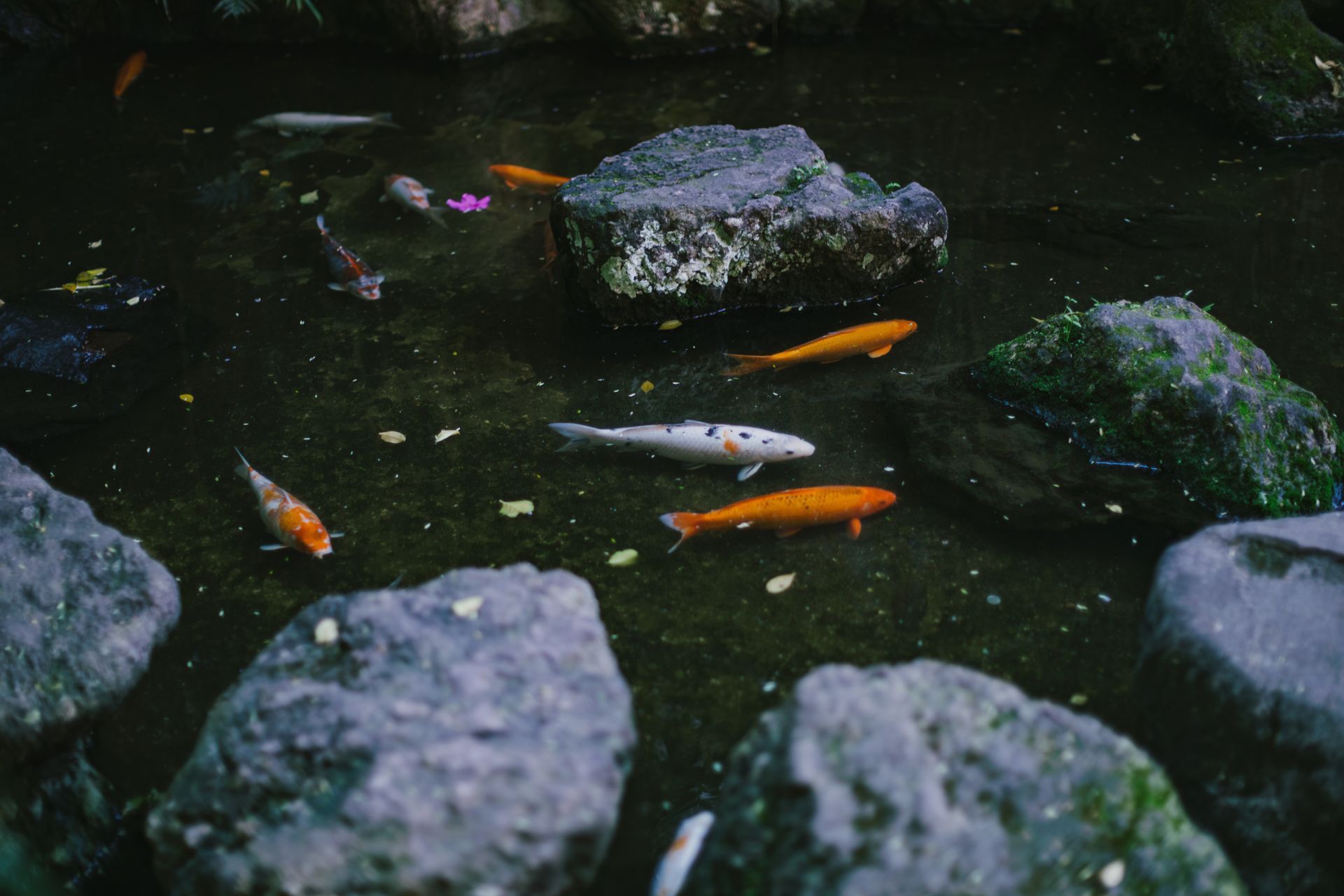
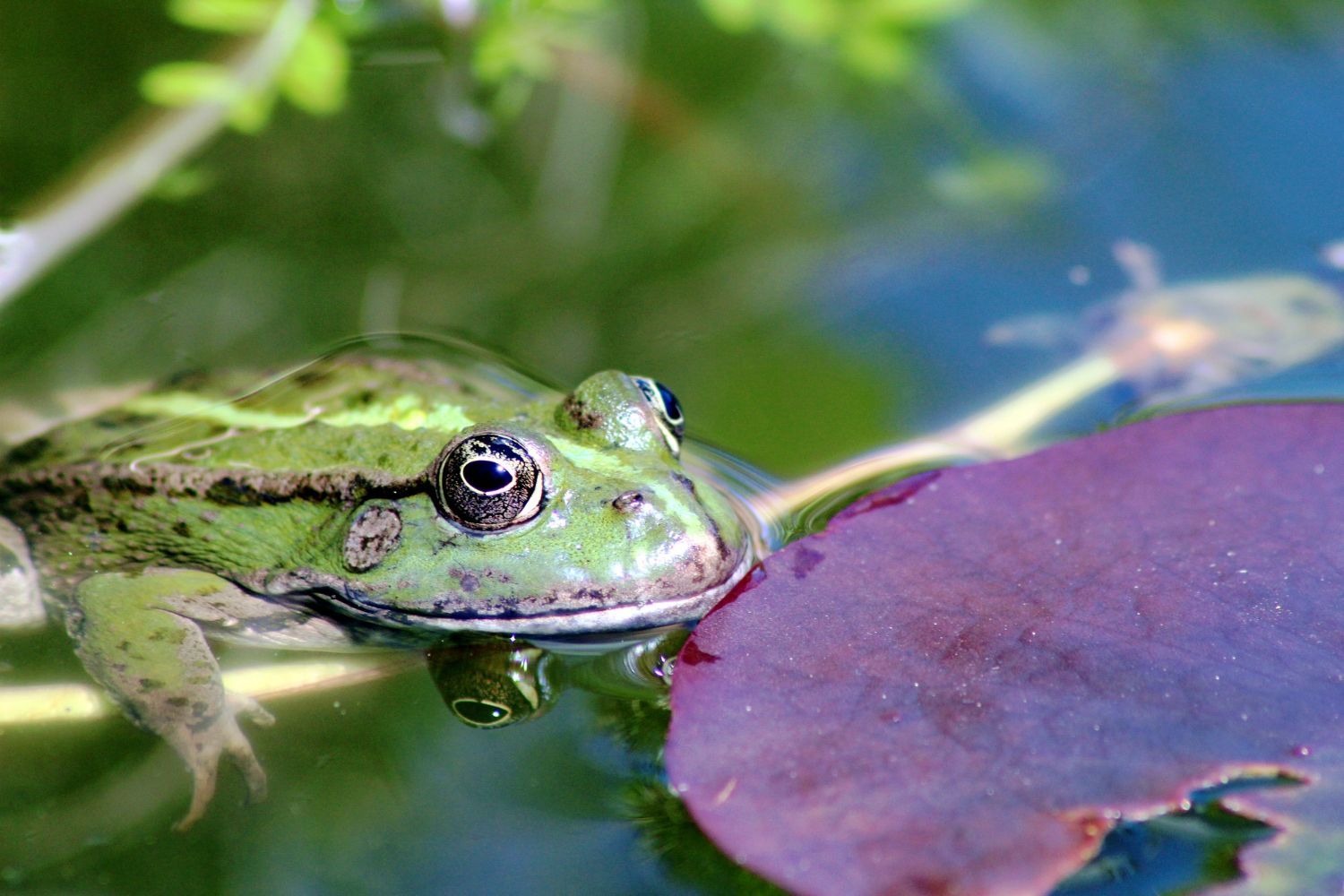
A traditional pond can support a more complete aquatic world. There is room for fish, frogs, and a deeper layer of beneficial bacteria and microlife. Over time, many homeowners notice more songbirds visiting, as well as other small visitors who are drawn to the water.
Pondless waterfalls focus more on movement and sound. They do not usually have a large, open pool for fish, but the flowing water, wet rocks, and shallow areas attract birds, pollinators, and small wildlife that come to drink and bathe. The feature often blends into the surrounding landscaping like a natural stream that happens to vanish under the rocks.
Many people worry about mosquitoes or cloudy water. With moving water, proper filtration, and thoughtful design, mosquito problems can be greatly reduced. Stagnant water is where mosquitoes thrive, and neither a well-built pond nor a well-built pondless waterfall should be sitting still. Careful planning of the pump, basin, and rock layout helps the water stay clear and fresh-looking.
Our team at PD Waterscapes focuses on designs that look natural to the property and suit our local climate. We pay attention to circulation, filtration, and rock placement so both ponds and pondless features can stay inviting for people and wildlife alike.
How to Plan the Right Water Feature for Your Home and Budget
So which option fits your Connecticut or Western Massachusetts home best? A pondless waterfall installation often works well if you have limited space, young children, a desire for lower upkeep, and a close eye on long-term costs. The smaller amount of open water and simpler system can ease both safety concerns and maintenance worries.
A traditional pond is usually worth the added care if you want fish, a larger water surface to look at from inside, and a deeper sense of a living ecosystem in your yard. It can become a favorite spot to sit near, even in winter, as you look out over ice, rocks, and evergreens.
As you think about your choice, picture how the feature will feel in the coming months. How will it sound on a quiet winter night? How will you shut it down or keep it running safely in cold weather? How quickly do you want it ready to go when temperatures warm again?
PD Waterscapes works with homeowners in Connecticut and Western Massachusetts to design, install, and maintain both ponds and pondless waterfalls. We look at your property, your goals, and your lifestyle so you can feel confident that your new water feature will fit your family and your yard for years to come.
Transform Your Yard With a Custom Pondless Waterfall
If you are ready to enjoy the sound of moving water without the upkeep of a traditional pond, we can design and build a feature that fits your space and style. Our team at PD Waterscapes specializes in every step of
pondless waterfall installation, from planning and layout to final touches. Tell us about your project goals and budget and we will recommend a solution that feels natural, safe, and easy to maintain. If you would like to talk through ideas or schedule a consultation,
contact us today.