Why Rushing Pond Installation Leads to Regret Later
A new backyard pond sounds exciting. You picture moving water, bright fish, and that calm trickling sound under winter snow. But when pond installation gets rushed, that dream can slowly turn into a cold, messy chore.
In Connecticut and Western Massachusetts, ponds have to handle freezing temperatures, snow, ice, and long dark evenings. If certain steps are skipped at the start, problems usually show up in the first winter or the first big storm. Water goes murky, fish struggle, and owners feel stuck with something they do not enjoy.
We see this a lot when we visit homes to fix or redesign existing ponds. The good news is that these problems are easy to prevent if you know what to watch for. Let us walk through the most common mistakes we see, so you can plan a pond that works with our climate instead of fighting it year after year.
Choosing the Wrong Location for Your Pond
One of the biggest early mistakes is picking a spot just because it looks open, or because it is close to a patio, without thinking through what that spot is like all year.
Placing a pond in full sun can sound nice, especially in winter when you are craving light. But in the warmer months, full sun can cause:
• Strong algae growth
• Water that gets too warm for fish
• More stress on pumps and filters
On the other hand, tucking a pond in deep shade under large trees brings its own problems. Water can stay cold and sluggish, plants do not grow well, and every windy day drops more leaves and sticks into the water. Come late winter and early spring, you may find a thick, rotting layer at the bottom that is hard to clean.
Homeowners in Hartford County, Litchfield County, and nearby areas often have yards with gentle slopes or hidden low spots. When snow melts or rain falls, that water looks for the easiest path. If the pond is sitting in a low area without proper planning, it can collect:
• Runoff from the lawn
• Fertilizer and soil
• Grit and sand from walkways or driveways
That mix can turn the pond brown and cloudy and can even push water up and out over edges, patios, or near foundations during heavy weather.
Location mistakes also happen when ponds are placed tight against decks, fences, or foundations. It may look neat on day one, but later you need room to reach pumps, filters, and edges. Without space to walk and work all the way around, simple maintenance becomes a big headache. It is also important to call before you dig so underground utilities are not damaged or trapped under a pond you cannot easily move.
Skimping on Depth, Liner, and Filtration
In our area, shallow ponds struggle when winter settles in. Water near the surface freezes first, and if there is not enough depth, ice can reach most of the water column. Fish and good bacteria then have very little safe space to survive.
A well-planned pond installation in this climate usually includes deeper zones for fish to rest in cold weather, with shallower shelves for plants. Those deeper areas help protect life in the pond during long freezes and sudden temperature swings.
Another common regret happens under the waterline: thin liner and no underlayment. When homeowners skip a quality liner or put it straight on rough soil, they often end up with:
• Punctures from rocks or roots
• Slow leaks that are hard to find
• Constant topping off with fresh water
Fixing or replacing a failed liner can mean pulling up rockwork and plants and starting almost from scratch. That is far more stressful than installing sturdy materials the first time.
Filtration and circulation are just as important. In our region, ponds collect fish waste, windblown leaves, and fine particles from nearby roads and yards. A small pump or a basic filter often cannot keep up. The result is green water, bad smells, and a pond that feels tiring to care for.
Good pond installation design matches the pump, filter, skimmer, and biological filtration to the pond size, fish load, and plant plan. When these pieces work together, the water stays clearer, even when the weather swings from freezing nights to mild days.
Ignoring the Role of Plants, Rockwork, and Edging
Some ponds look off from the start, and owners are not sure why. Often, it comes down to missing or misplaced plants, and rockwork that does not feel natural.
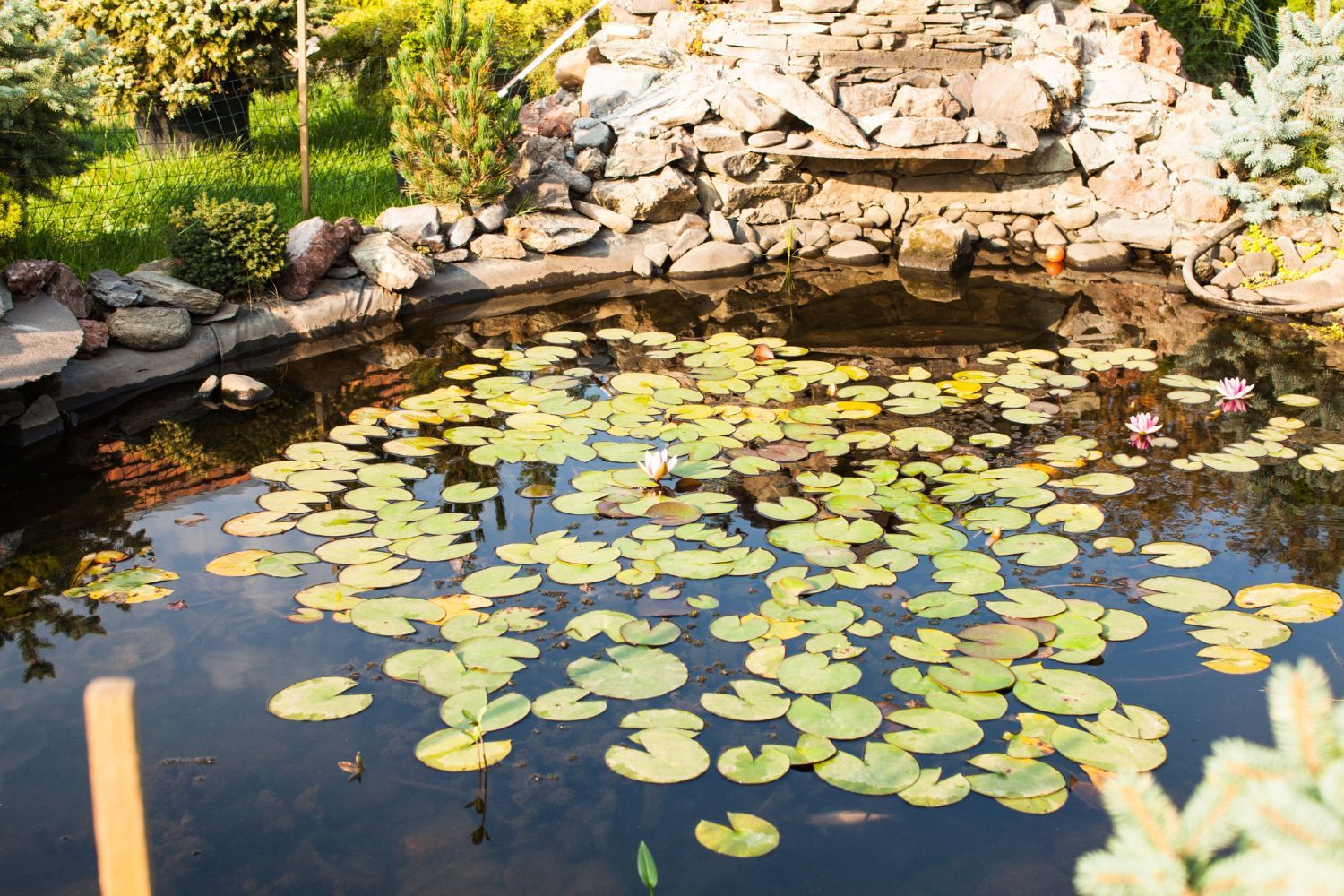
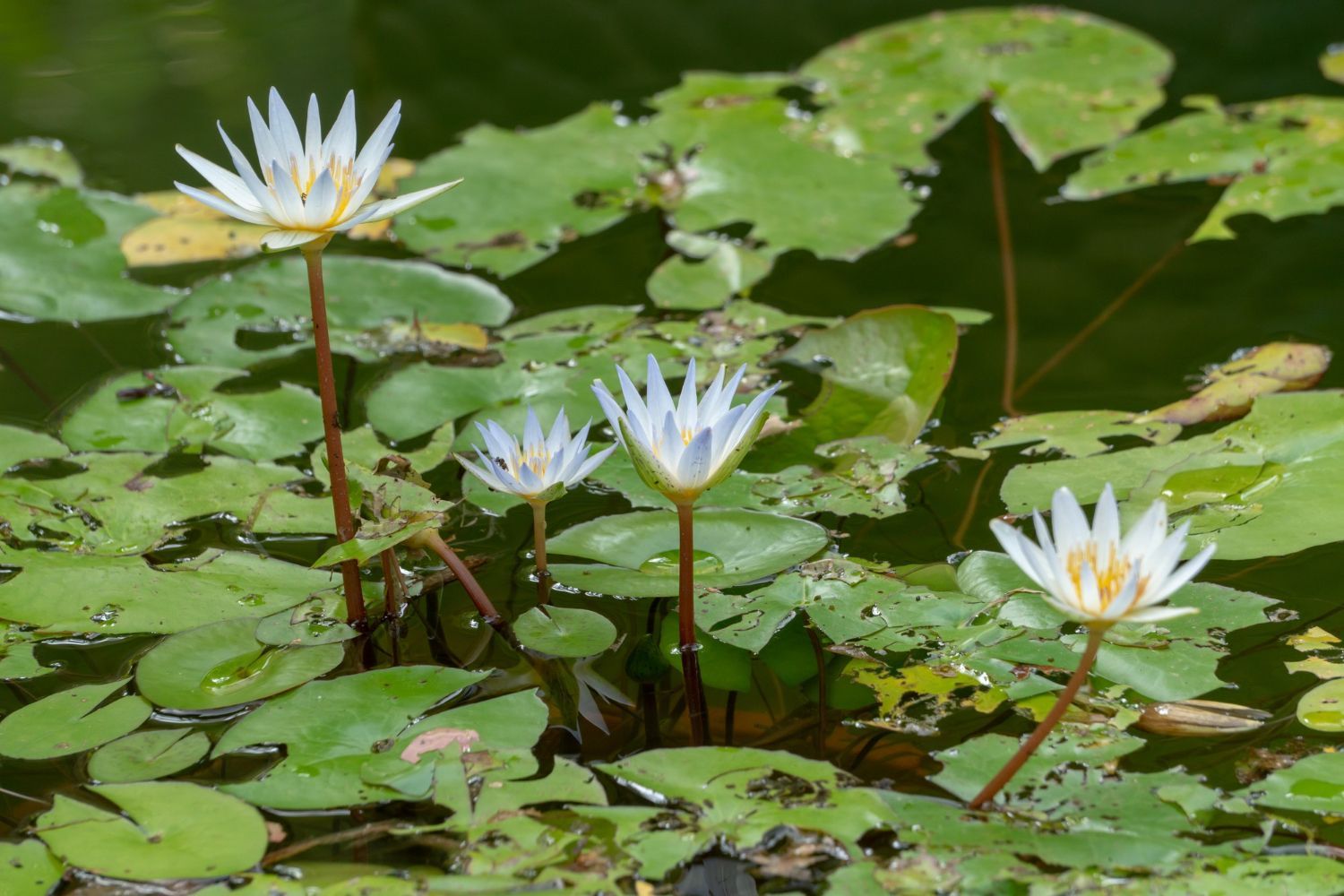
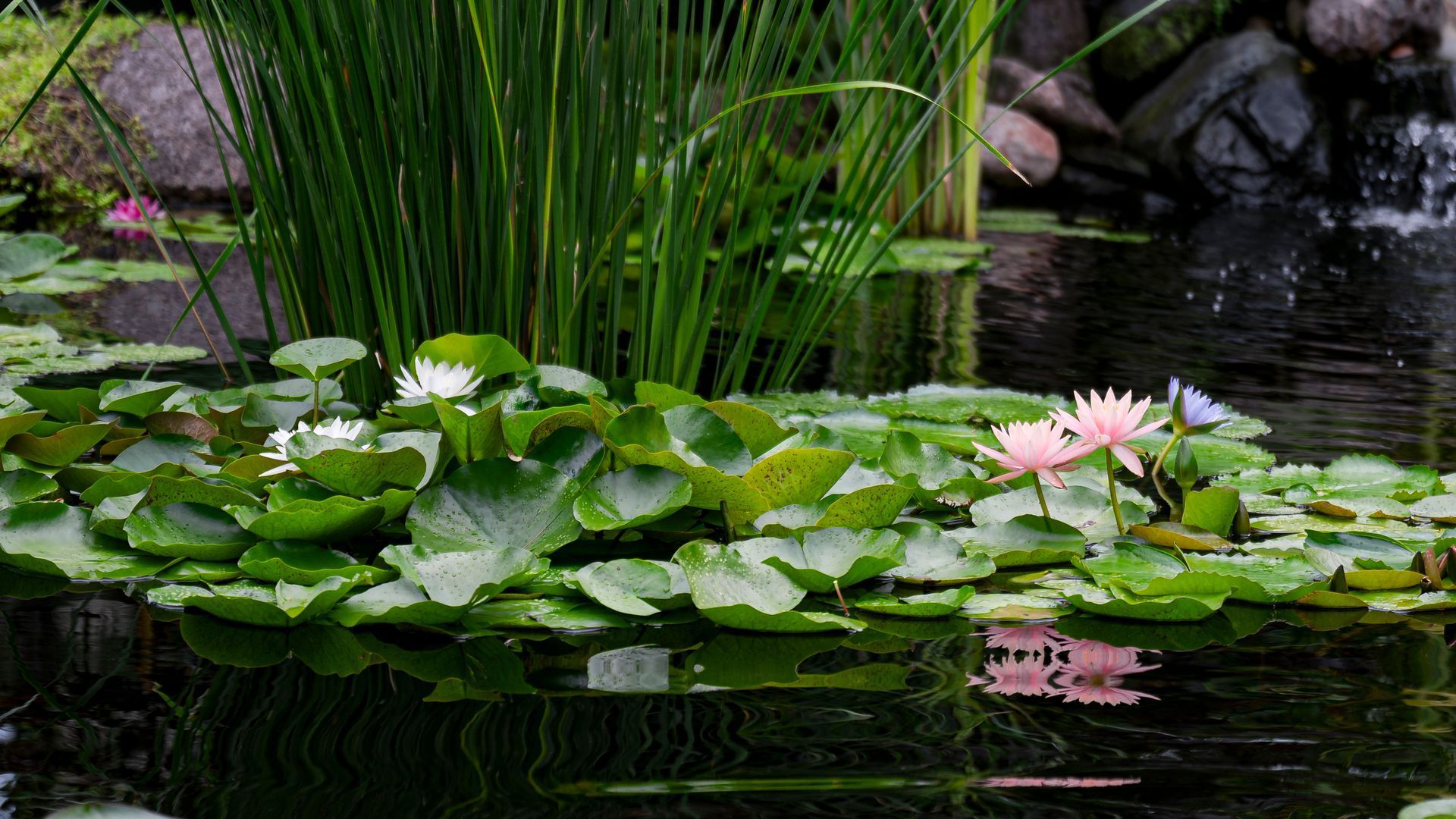
Aquatic plants are more than decorations. They help balance the pond by:
• Competing with algae for nutrients
• Providing shade so water stays cooler
• Giving fish hiding places and calmer spots
Common mistakes include filling the pond with one type of plant, choosing invasive plants, or picking tropical varieties that do not handle Connecticut winters. Then, when a cold snap hits, those plants fail and the pond loses a big part of its natural balance.
Edges are another trouble spot. Dropping a liner into a hole and ringing it with one row of stones might look okay at first. Over time, the liner can slip, edges slump, and black material shows. The pond starts to look like a plastic bowl sitting in the yard.
A more natural look comes from mixing rock sizes, adding shelves, and setting planting zones that blend into the surrounding landscape. This helps the pond look like it belongs there, not like it was just dropped into place.
Waterfalls and streams also need thought. Many people later wish they had placed their waterfall where they could see and hear it from inside the house, or from a favorite seating area. When falls or streams end up behind a corner or out of sight, that calming sound gets lost. Good design lines up sightlines from patios, doors, and windows, and hides plumbing behind rocks so the water seems to appear from the landscape itself.
Underestimating Maintenance, Seasonal Care, and Safety
Every pond needs care during the year, and our four-season climate adds more to that list. In winter, ice, snow, and wind push debris toward the water. As temperatures shift, leftover leaves and organic matter can break down and lower water quality. Without planning, these jobs can feel big and confusing.
Thoughtful pond installation makes seasonal tasks easier. Well placed skimmers, clear walkways, smart access points, and room to work around the pond all help with:
• Netting out debris before it sinks
• Doing cleanouts when the weather allows
• Winterizing equipment safely
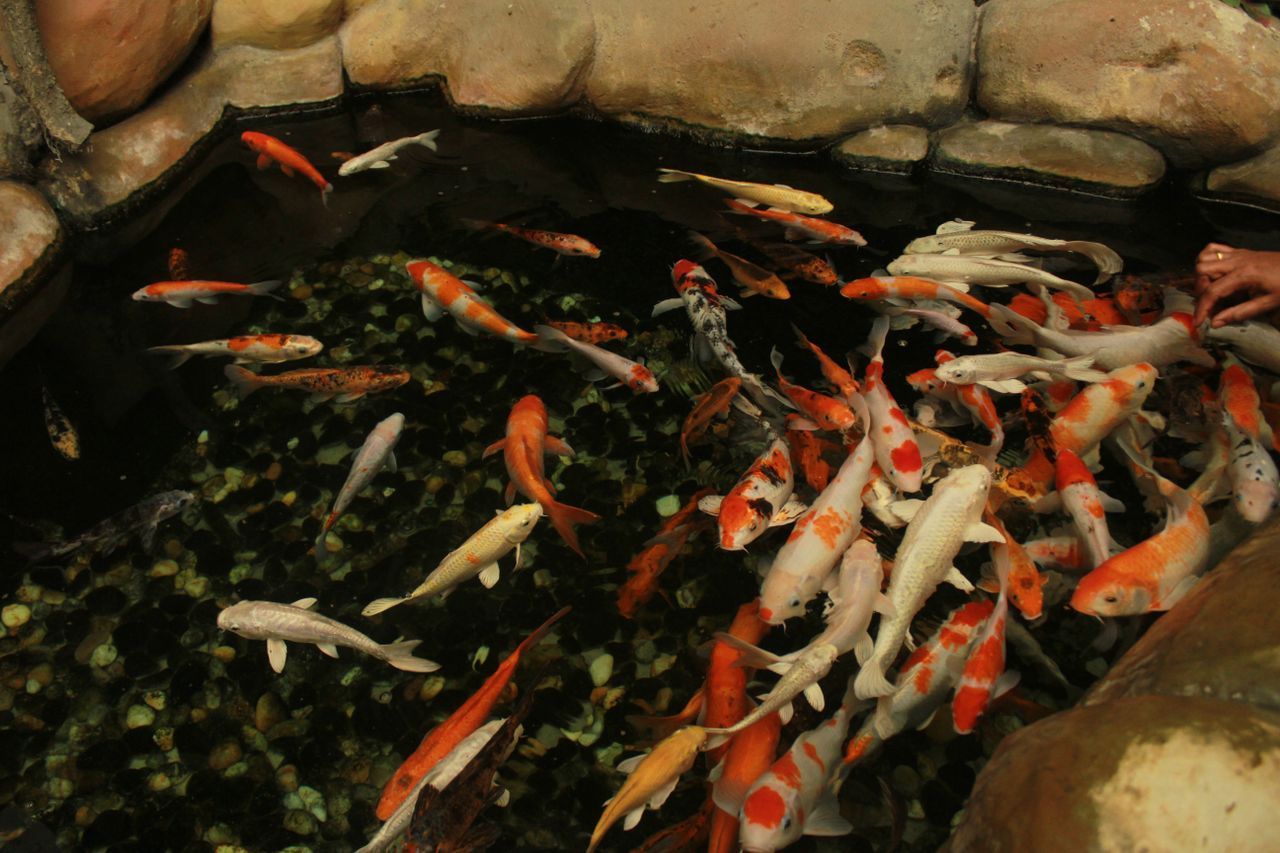
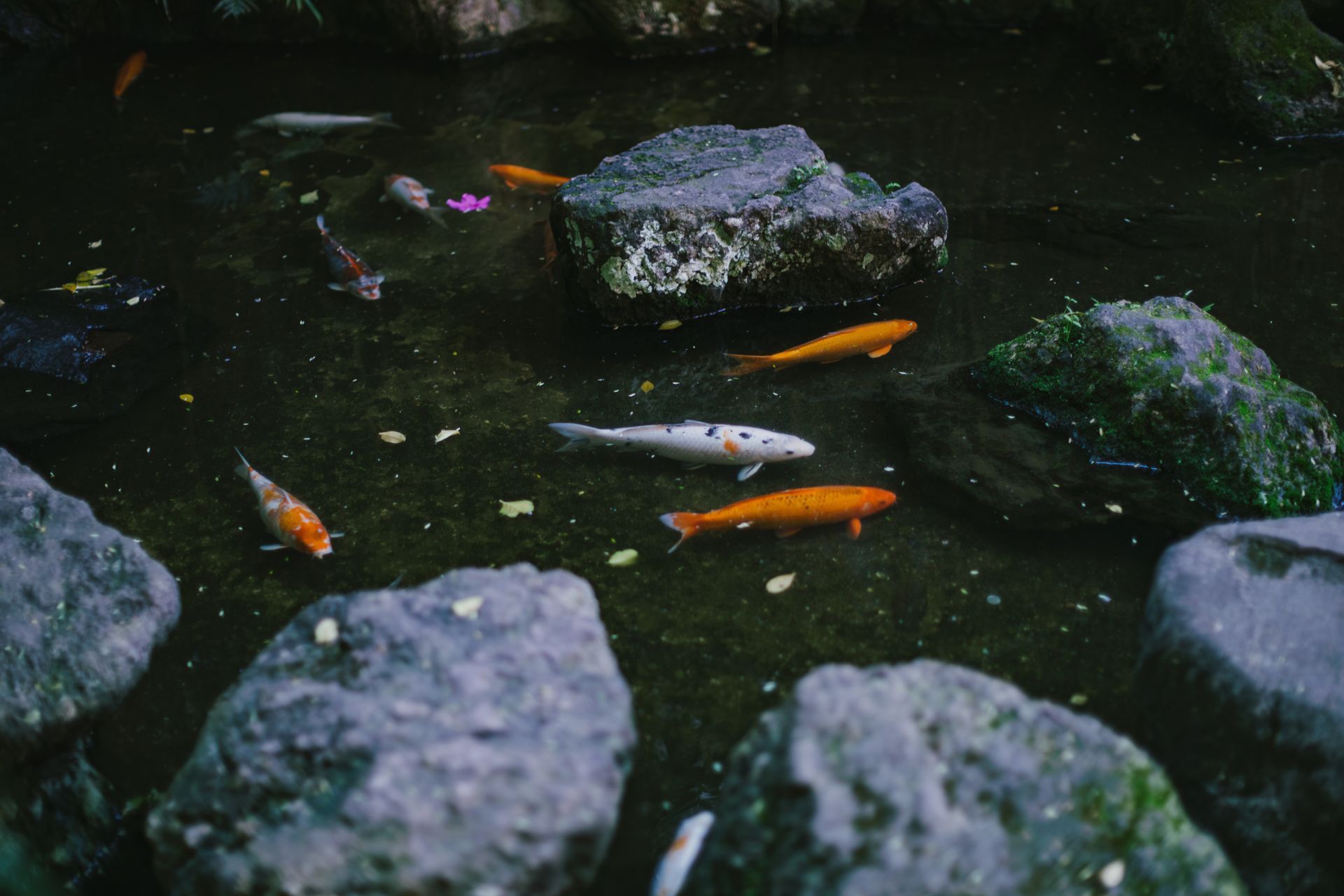
Fish care is another area where regrets show up. Adding too many fish, feeding too much, or feeding heavily when the water is still cold can overload a pond. Filtration struggles to keep up, and fish have a harder time staying healthy. Stocking levels and feeding need to fit both the pond system and the seasonal water temperatures.
Safety also matters, especially around ice and snow. Rocks can get slick, paths can freeze, and edges that were fine in warm weather may feel risky in winter boots. Good planning includes shallow shelves for kids and pets, stable stones, and lighting so people can see where they are walking even when the days are short. Local codes, property lines, and drainage patterns matter too, so the pond does not create problems with neighbors or future property plans.
Turning Pond Installation Regrets Into a Backyard Retreat
If you see your own pond in some of these mistakes, you are not alone. Many ponds can be repaired, reshaped, or upgraded instead of removed. Sometimes it is about changing depth, moving a waterfall, or improving filtration. Other times it means rethinking plants, edging, or access so care feels simple instead of stressful.
At PD Waterscapes, we work with homeowners in West Hartford, Hartford County, Litchfield County, and nearby areas to design, install, and maintain custom ponds and water features that fit our New England climate. Thoughtful pond installation takes a little more planning at the start, but it pays off with clear water, healthy fish, and a backyard retreat you actually enjoy, even when there is snow on the ground and ice along the edges.
Transform Your Yard Into A Thriving Waterscape Retreat
If you are ready to bring a living water feature to your property, PD Waterscapes is here to guide you through every step of professional
pond installation. We design and build ponds that fit your space, support healthy ecosystems, and are simple to maintain. Whether you have a clear vision or just a few ideas, we will help you shape them into a plan that works for your home. To get started or ask questions,
contact us today.