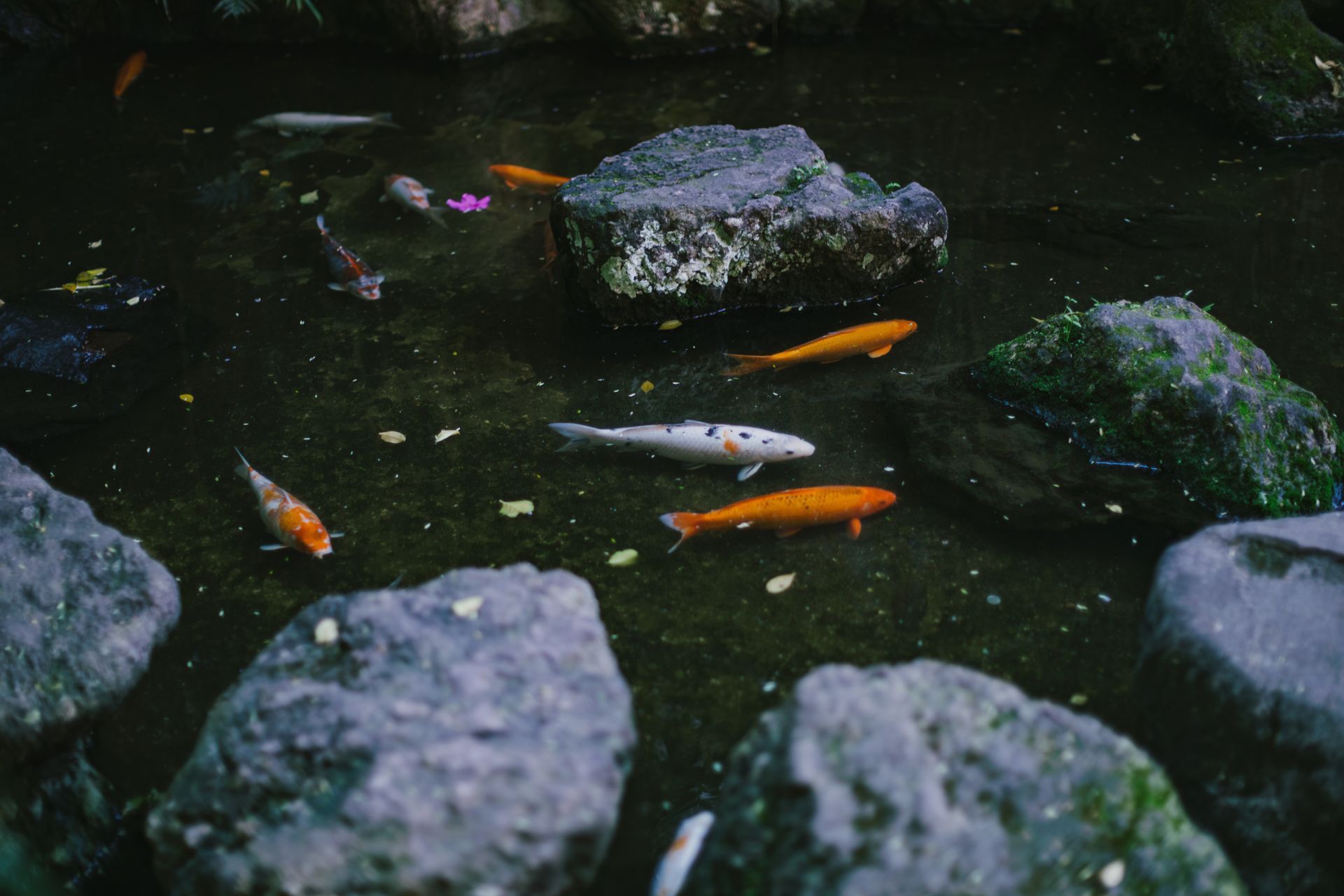
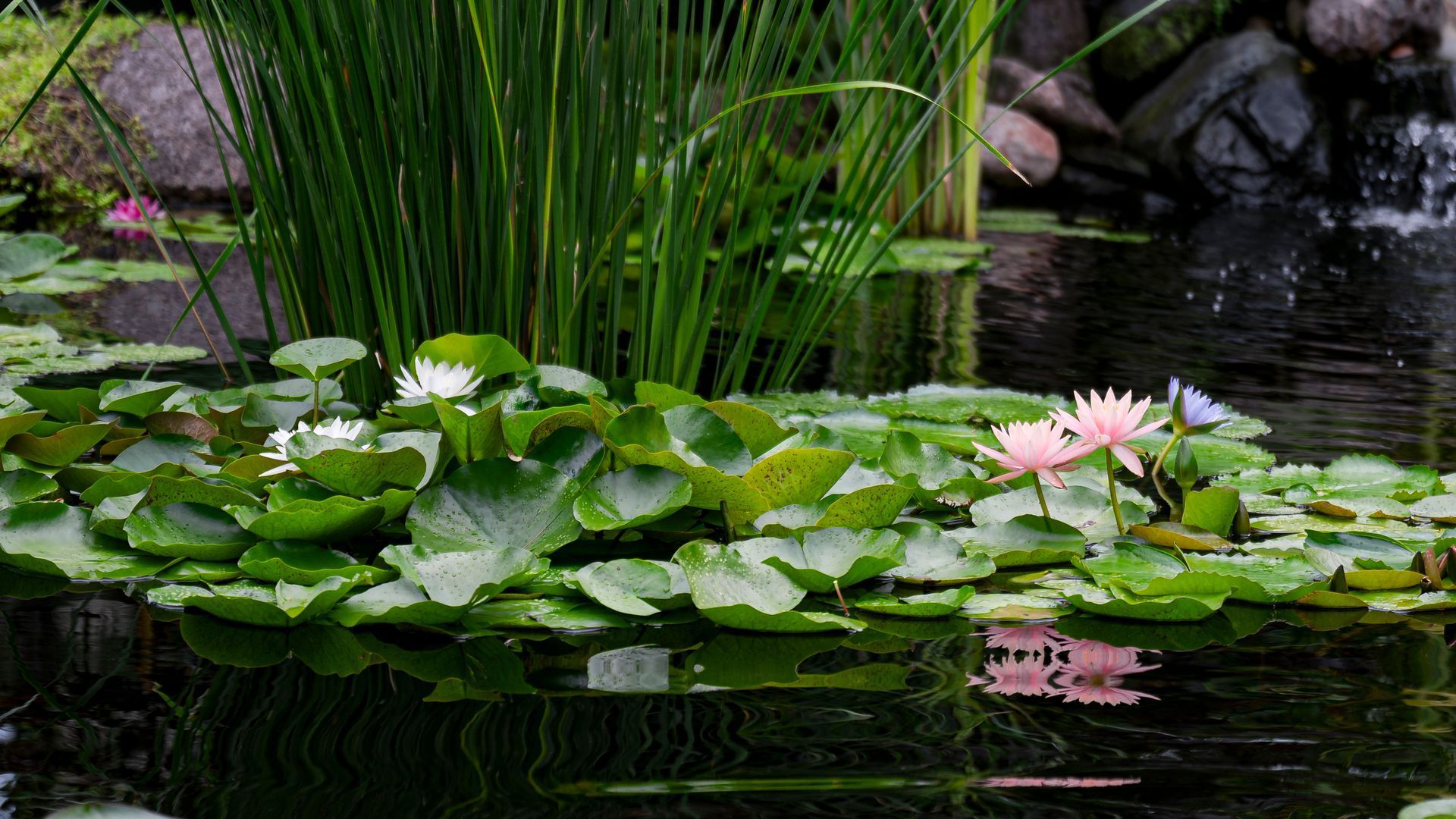
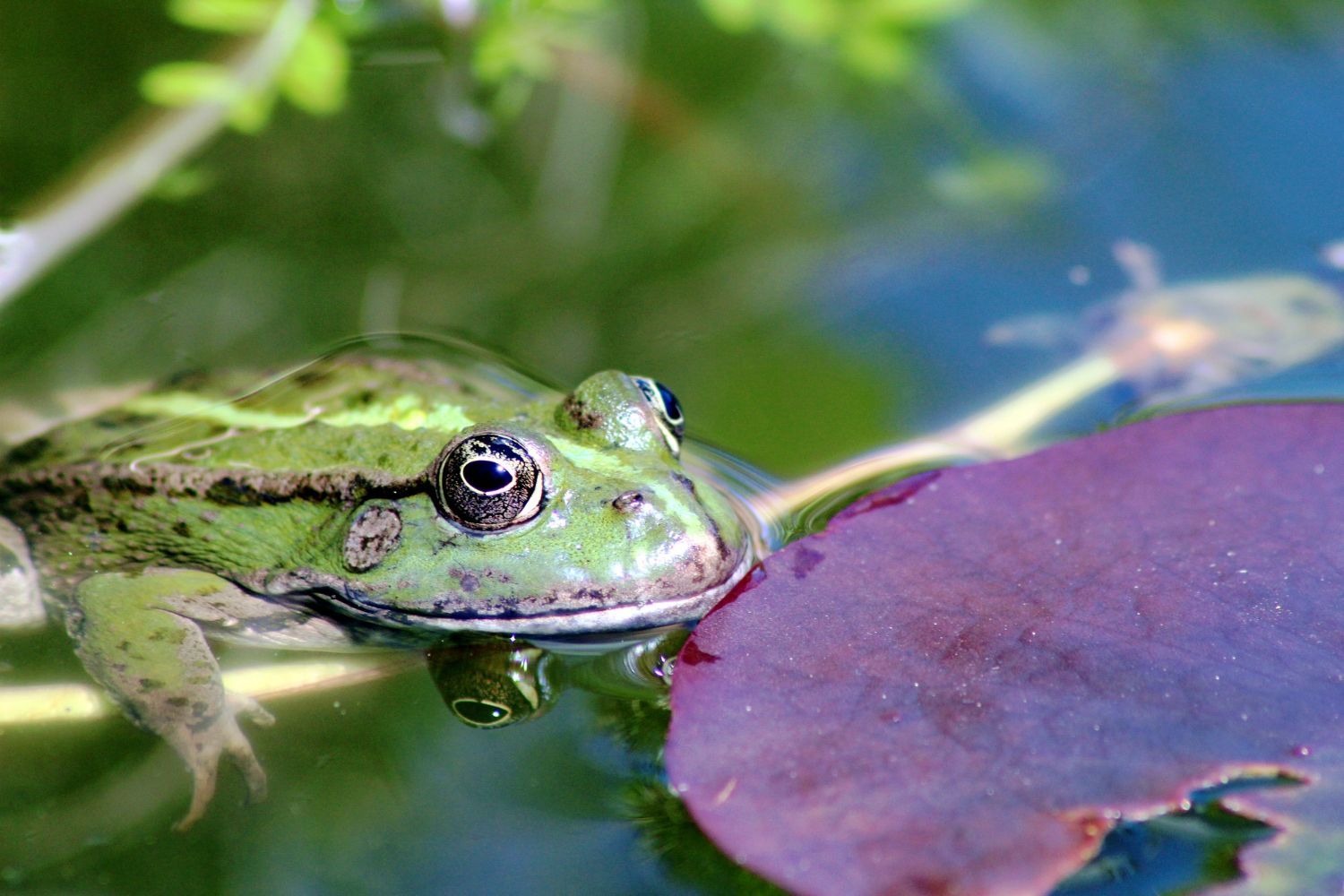
When you picture your koi pond in a month or so, you probably see clear water, colorful fish, and the sound of moving water. What you do not see right away is all the work happening below the surface to keep that water healthy.
A pump and filter are important, but they are not the whole story. As winter starts to loosen its grip in Connecticut and Western Massachusetts, many ponds wake up with leftover leaves, nutrient build up, and early algae. That is when the pond can turn cloudy and feel a bit out of control.
This is where aquatic plants come in. Think of them as a “living filter.” They soak up extra nutrients before algae can use them, add oxygen to the water, and create shade and shelter for your koi. With the right plants in the right spots, the pond starts to balance itself, so you are not always fighting green water or scraping string algae off rocks.
We want to help you look at your pond like a simple, living system. Once you understand what kinds of plants to use, where they belong, and how to keep them in check, your pond can feel calmer for you and calmer for your fish as we head toward the warmer days ahead.
How Aquatic Plants Keep Your Koi Pond in Balance
Aquatic plants do quiet, steady work all day long. They are not flashy, but they are powerful.
Here are the main jobs they do in a koi pond:
- Make oxygen during the day
- Act like natural filters for extra nutrients
- Give shade and cool spots for koi
- Compete with algae for food and light
Algae love the same things plants do: light and nutrients. Without plants, algae get all the sunlight and all the food in the water. That is when you end up with pea soup water or long green strands hanging off rocks and filters.
When we add a smart mix of plants, we give algae some strong competition. Plant roots soak up nutrients that would have fed the algae. Leaves spread across the surface and block direct sun from reaching every inch of water. With less “fuel” to grow, algae stay in check.
This balance helps your koi too. Shade keeps the water cooler and more stable, which means less stress on fish. Roots and stems give koi places to explore and hide when they want to feel secure. When plants and filters share the work, many homeowners find they are not constantly rinsing filter pads or trying quick fixes just to keep up.
The Four Main Types of Aquatic Plants and Where They Belong
Most healthy koi ponds use a mix of four plant types. Each group has its own spot and purpose.
- Floating plants
- Marginal or bog plants
- Submerged oxygenators
- Water lilies and similar surface plants
Let us look at each one.
Floating plants sit on top of the water with roots hanging down. Common choices are water hyacinth and water lettuce. They are like little nutrient sponges. Their roots trap tiny particles and soak up what algae would use. The leaves also cast dappled shade so the water does not heat up as quickly. These work best in calm areas, away from strong waterfalls or skimmers that might pull them in.
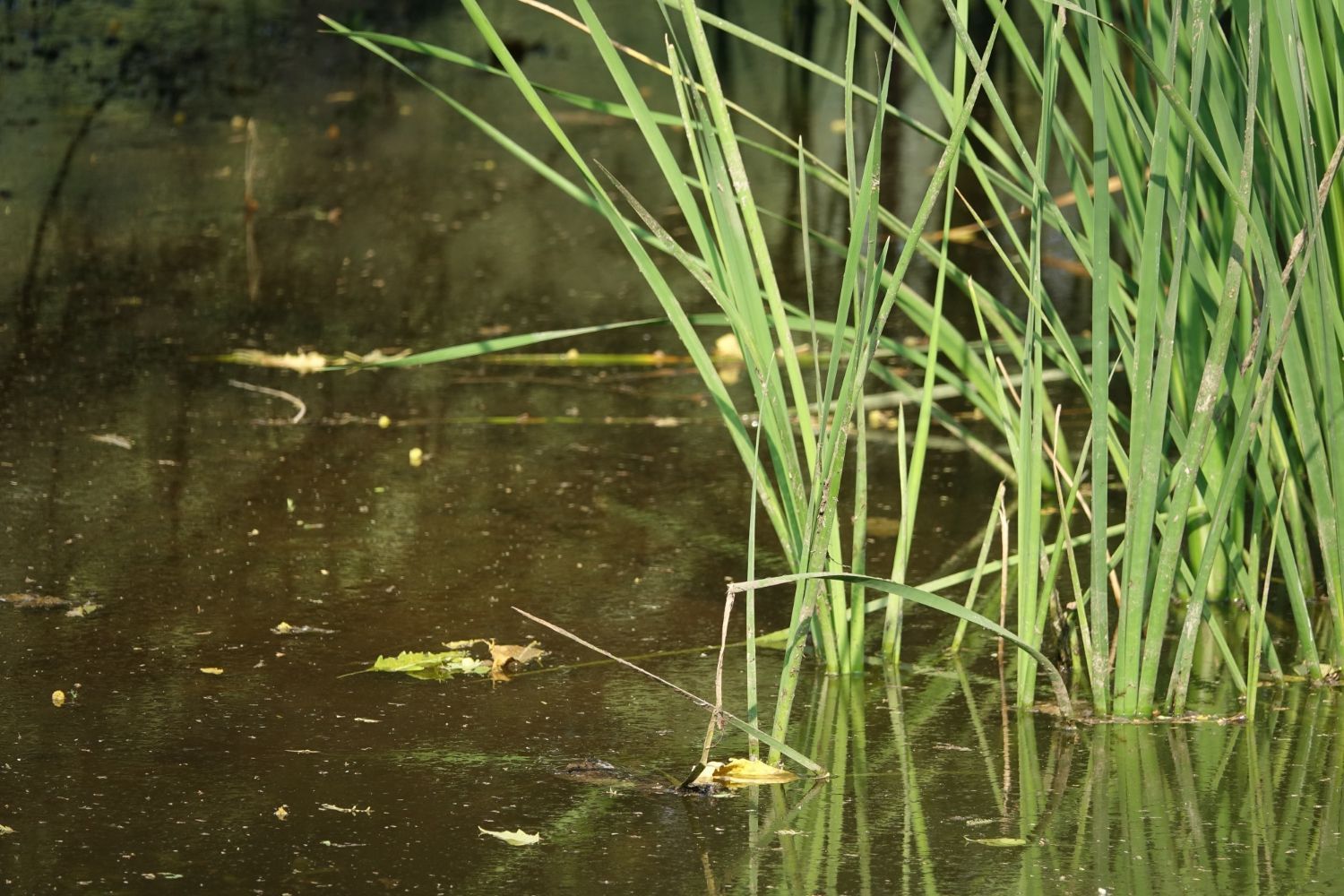
Marginal or bog plants grow in shallow water around the pond edge or on plant shelves. Think of plants like iris, marsh marigold, or pickerel rush. Their roots love wet soil or gravel, and they pull a lot of nutrients from the water that flows around them. They also add height, color, and texture, which helps the pond blend into the yard instead of looking like a simple hole in the ground.
Submerged oxygenators live completely underwater. They help steady oxygen levels and give baby fish and small creatures places to hide. In koi ponds, we use these with care. Koi can nibble them quickly, and some oxygenators can spread more than you want. The key is to place them where koi have other food and shelter, so they are less likely to destroy them overnight.
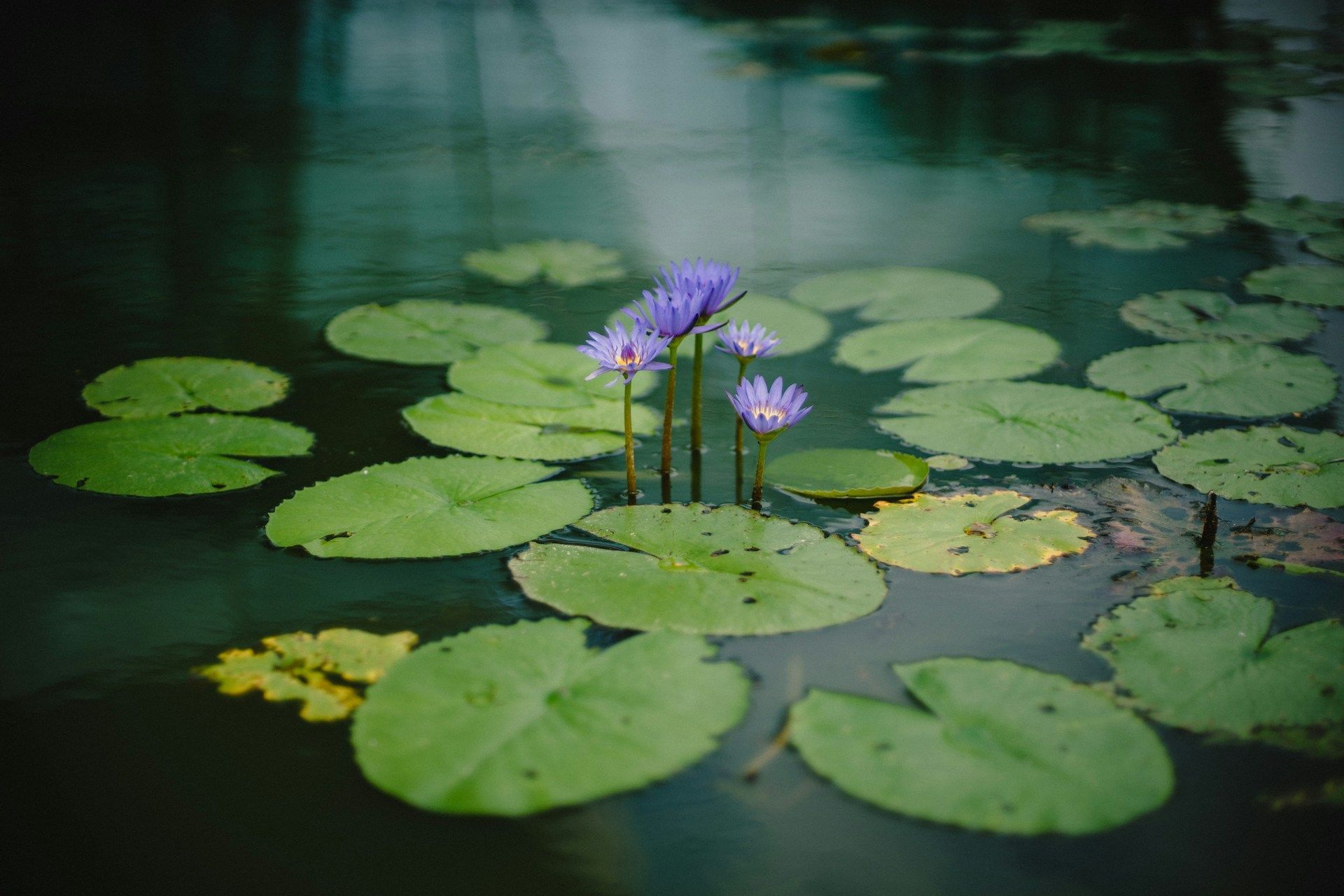
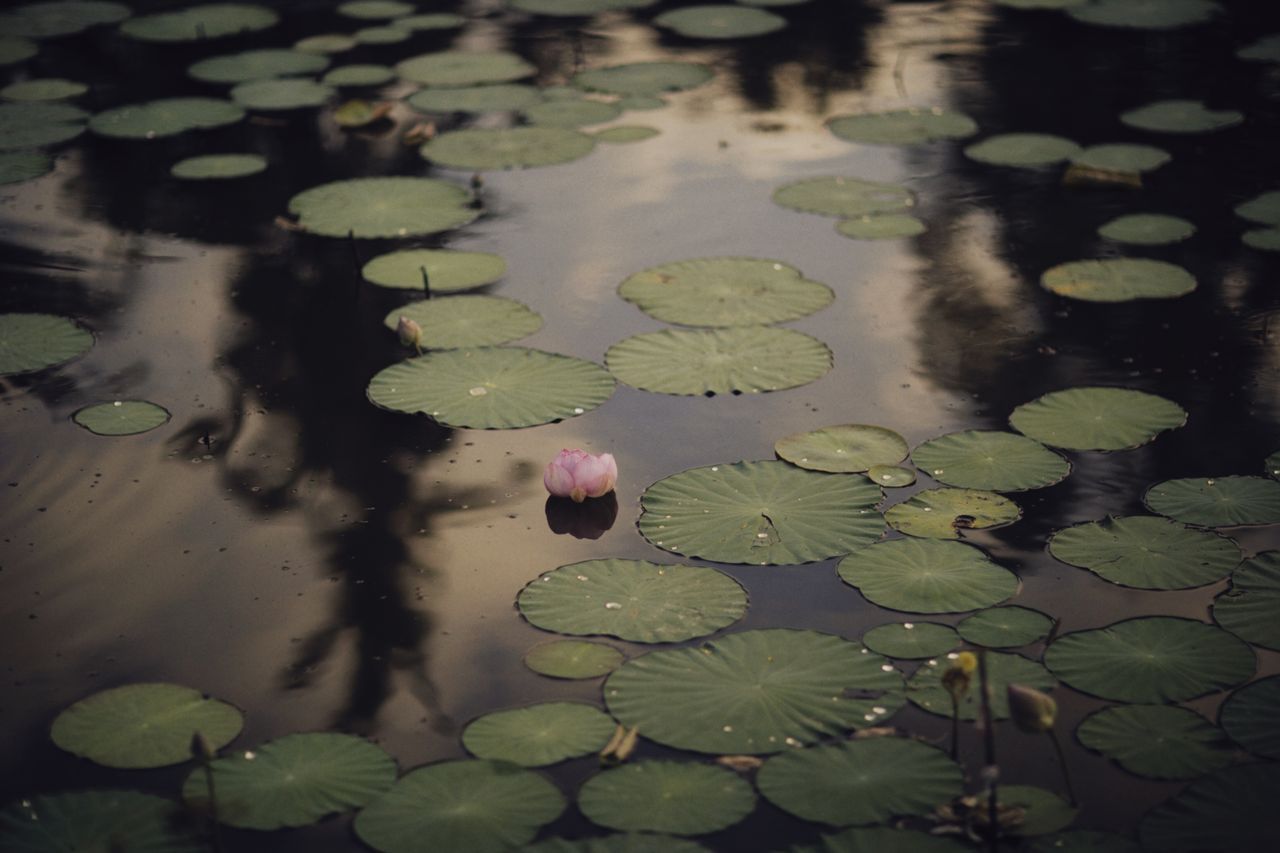
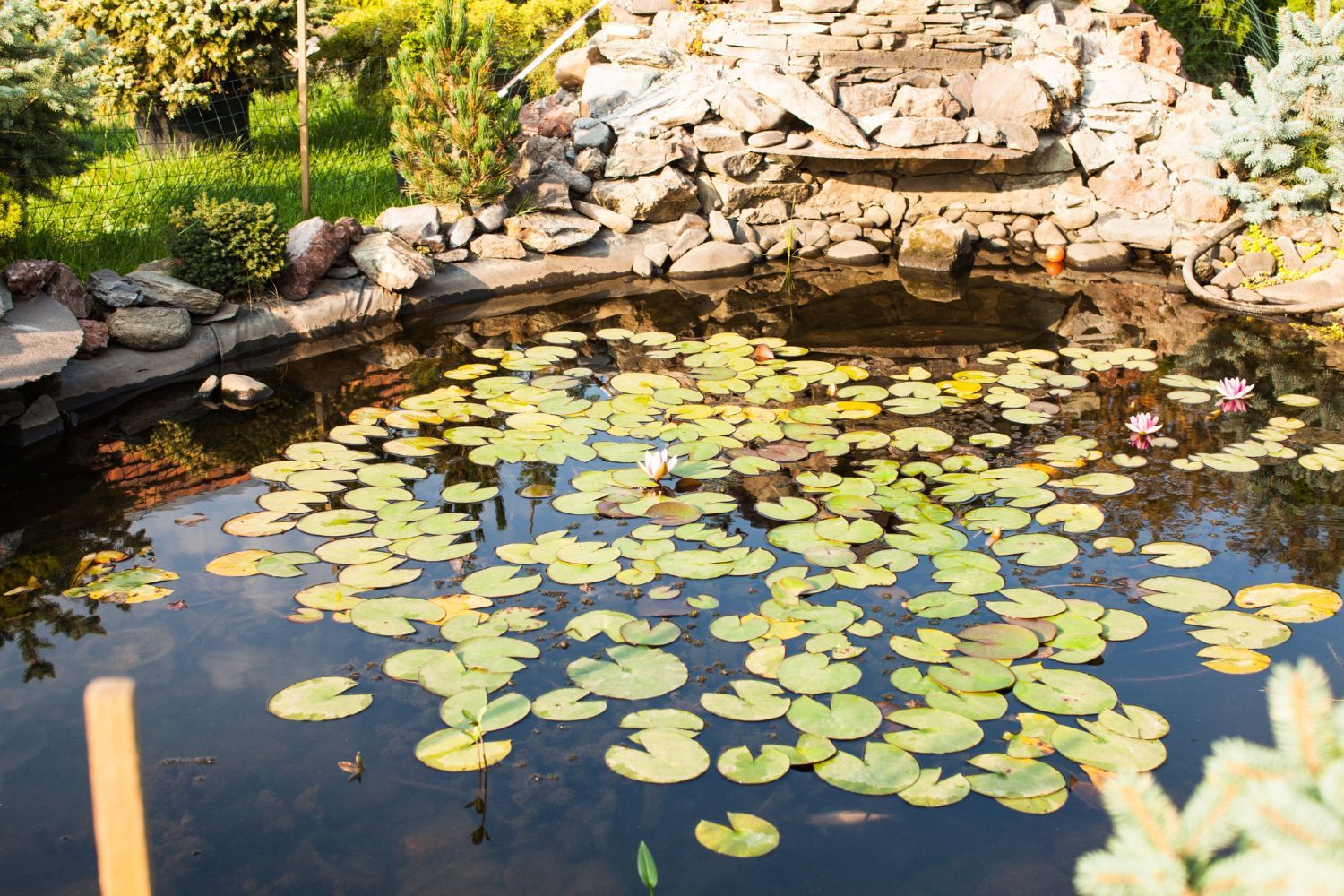
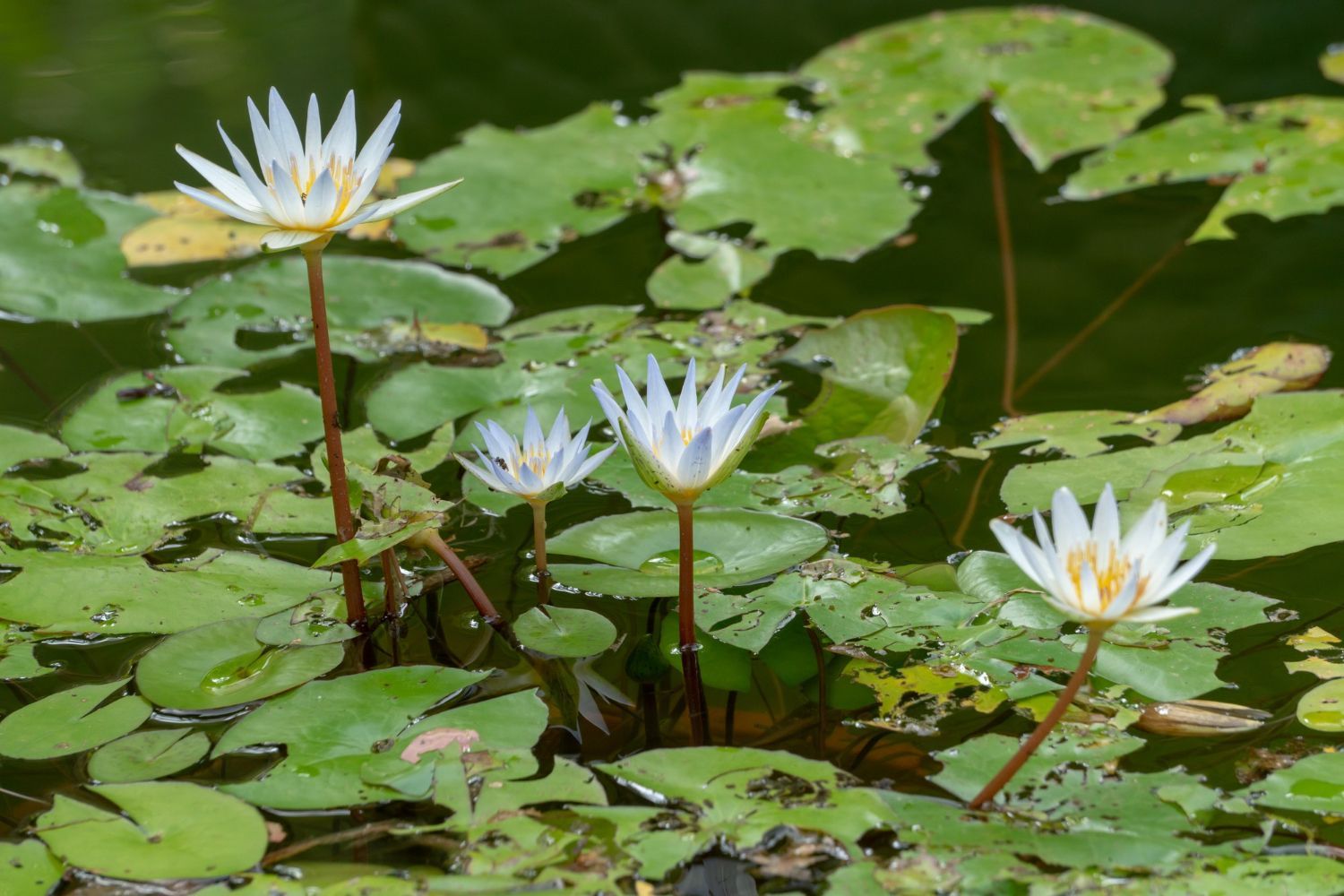
Water lilies and other surface covering plants are the classic pond stars. Their pads float on top, with roots anchored in pots or planting pockets. They create wide pools of shade, soften the look of the water, and give koi cool areas to glide under. Blooms bring color and a peaceful, natural feeling that many homeowners love.
Koi-Friendly Plant Choices for Connecticut and Western Massachusetts
In our area, winter matters. Aquatic plants need to handle cold weather, ice, and changing temperatures. That is why hardy, cold-tolerant plants are usually the best choice for a koi pond that has to face New England winters.
Many hardy iris, pickerel type plants, and certain rushes can stay in place or be moved slightly deeper as the pond cools. Hardy water lilies can rest at the bottom until things warm back up. Deciding which plants should be permanent and which should be treated as seasonal helps your pond stay steady from year to year.
We also want plants that hold up well around curious koi. Thicker leaves, tougher stems, and strong root systems usually stand the best chance. Placing plants in gravel pockets, on planting shelves, or behind rock barriers lets roots do their work without turning into a koi salad bar.
A simple layout often works best in a typical backyard pond. For example, you might:
- Use taller marginal plants at the back edge to frame the pond
- Place medium plants on side shelves to soften the liner and rock lines
- Add lilies or other surface plants toward the center for shade and color
- Leave clear viewing “windows” with open water to watch the koi
The goal is balance. Enough plants to filter, shade, and soften, without covering so much that you cannot enjoy your fish or move around the pond for care.
Seasonal Plant Care Tips to Start Strong in Early Spring
Right now, in late winter, your aquatic plants are mostly resting. This quiet time is the perfect chance to plan and get ready so the pond wakes up strong.
As ice melts and water opens, it helps to carefully remove leaves and loose debris so they do not rot and feed algae. Dead or mushy plant growth from last year can be trimmed away above the crown of the plant. Overgrown clumps might need dividing or repotting so roots have room to breathe and keep pulling nutrients from the water.
As we move into the next month or so and water starts to warm, plant growth picks up. This is the time to keep an eye on balance. Fast-spreading floaters or marginals can take over if they are not thinned. You usually want a mix of:
- Open water for viewing and gas exchange
- Surface cover for shade and fish comfort
- Edge plantings for filtration and structure
When days shorten again and cooler weather returns, hardy plants can be trimmed back and, if needed, moved to slightly deeper, safer spots. Tender plants are often removed before hard freezes and either composted or kept inside where possible. Taking care with liners, pumps, and plant containers as temperatures drop helps protect your investment and keeps the pond ready for the next cycle.
As pond professionals at PD Waterscapes, we work with aquatic plants every season in Connecticut and Western Massachusetts. We see how the right mix of plants can calm a pond that feels out of balance, clear up water that never quite looks right, and create a quiet, natural space where koi and people both feel at ease. With thoughtful plant choices and placement, your pond can become a living, breathing retreat that works with nature instead of fighting it.
Create A Balanced Pond Ecosystem With Expert Guidance
At PD Waterscapes, we design ponds that stay clear, healthy, and beautiful by choosing the right mix of
aquatic plants for your space. We will help you plan an ecosystem that supports fish, controls algae, and fits your landscape goals. If you are ready to talk through ideas or start a new project,
contact us to get personalized recommendations.