Turn Your Backyard Into a Living, Breathing Retreat This Year
By late January in Connecticut and Western Massachusetts, a lot of us feel stuck inside. The holidays are over, the days are still short, and we are staring out the window wishing we had a better reason to go out for some fresh air.
This is when many homeowners start thinking about changing their yard. Not just mowing and planting, but building a space that actually pulls you outside, even on a cold day with a warm coat and a mug in your hands.
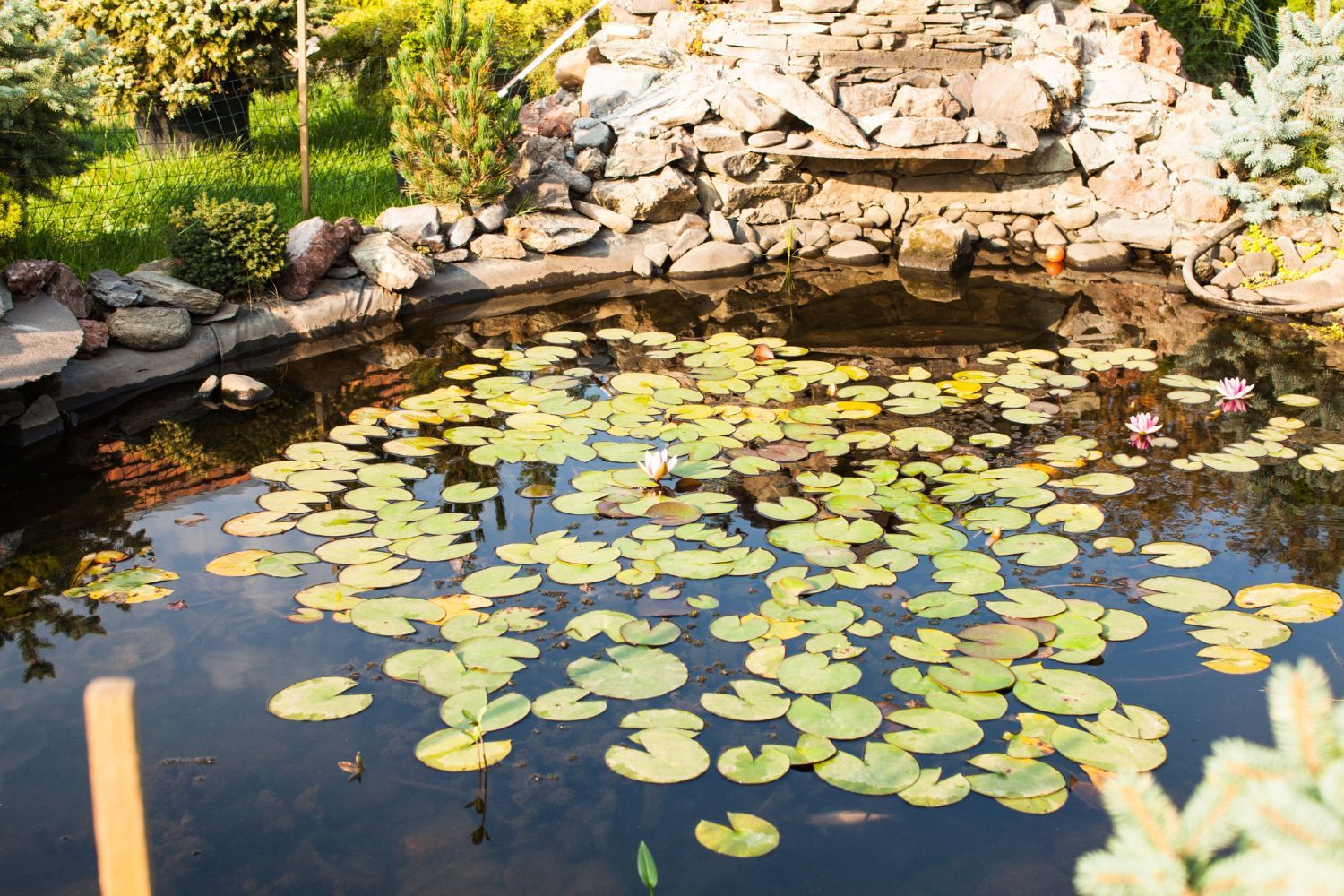
An ecosystem pond does exactly that. It is not just a pretty pool of water. It is a living system that runs more like a natural stream or pond in the woods. Fish, plants, rocks, and moving water all work together. The result is a backyard that feels alive, healthier, and more relaxing for you and your family.
We will walk through what an ecosystem pond is, how it fits our New England weather, why it is better for your yard’s health, and what to think about if you want one at your home.
What an Ecosystem Pond Really Is and Why It Matters for Your Yard
When we say ecosystem pond, we mean a pond that works more like nature and less like a sterile pool. It is built so all the parts support each other instead of relying only on chemicals or constant scrubbing.
Key parts usually include:
• Biological filter that houses helpful bacteria
• Skimmer that pulls in leaves and floating debris
• Pump and plumbing that keep the water moving
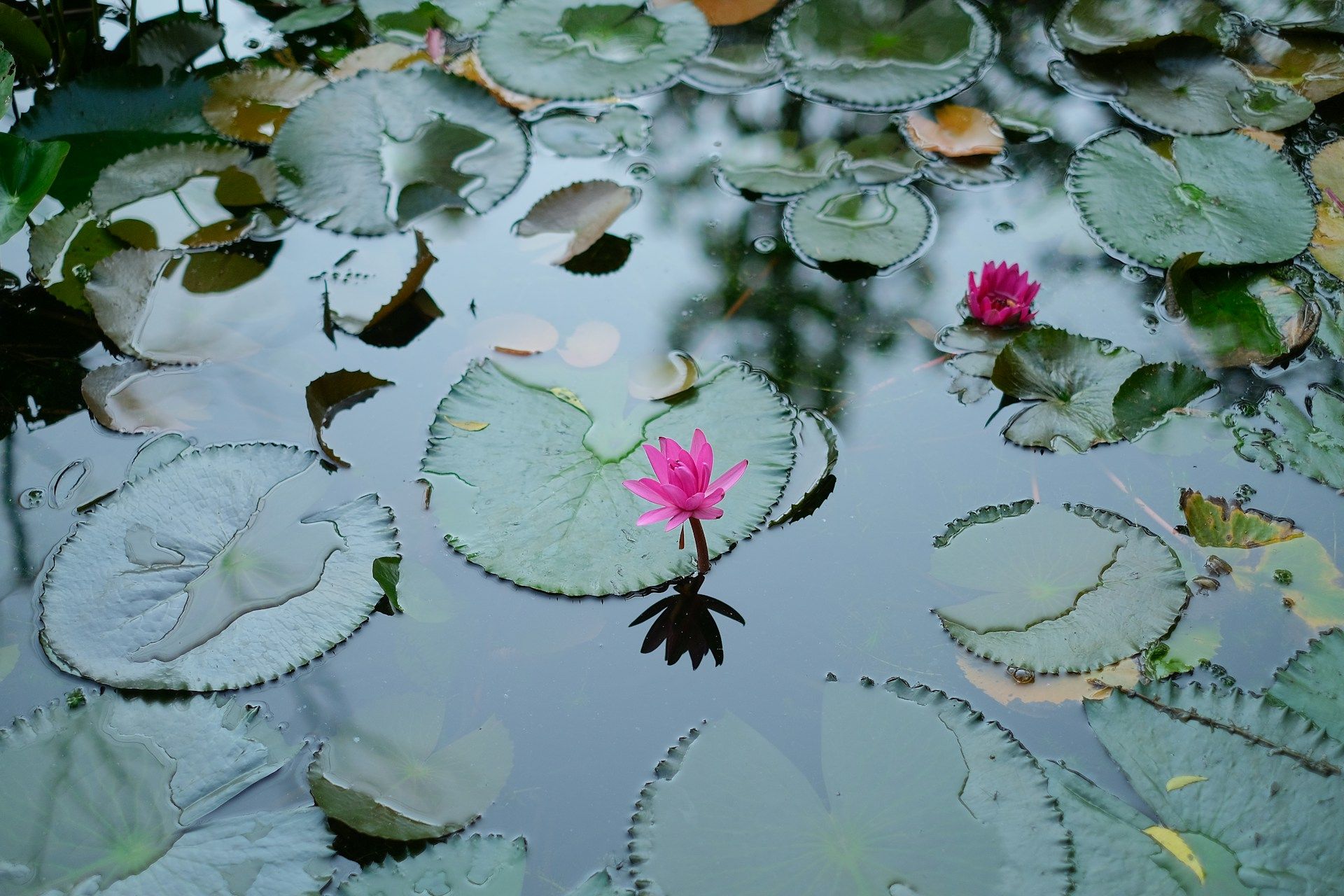
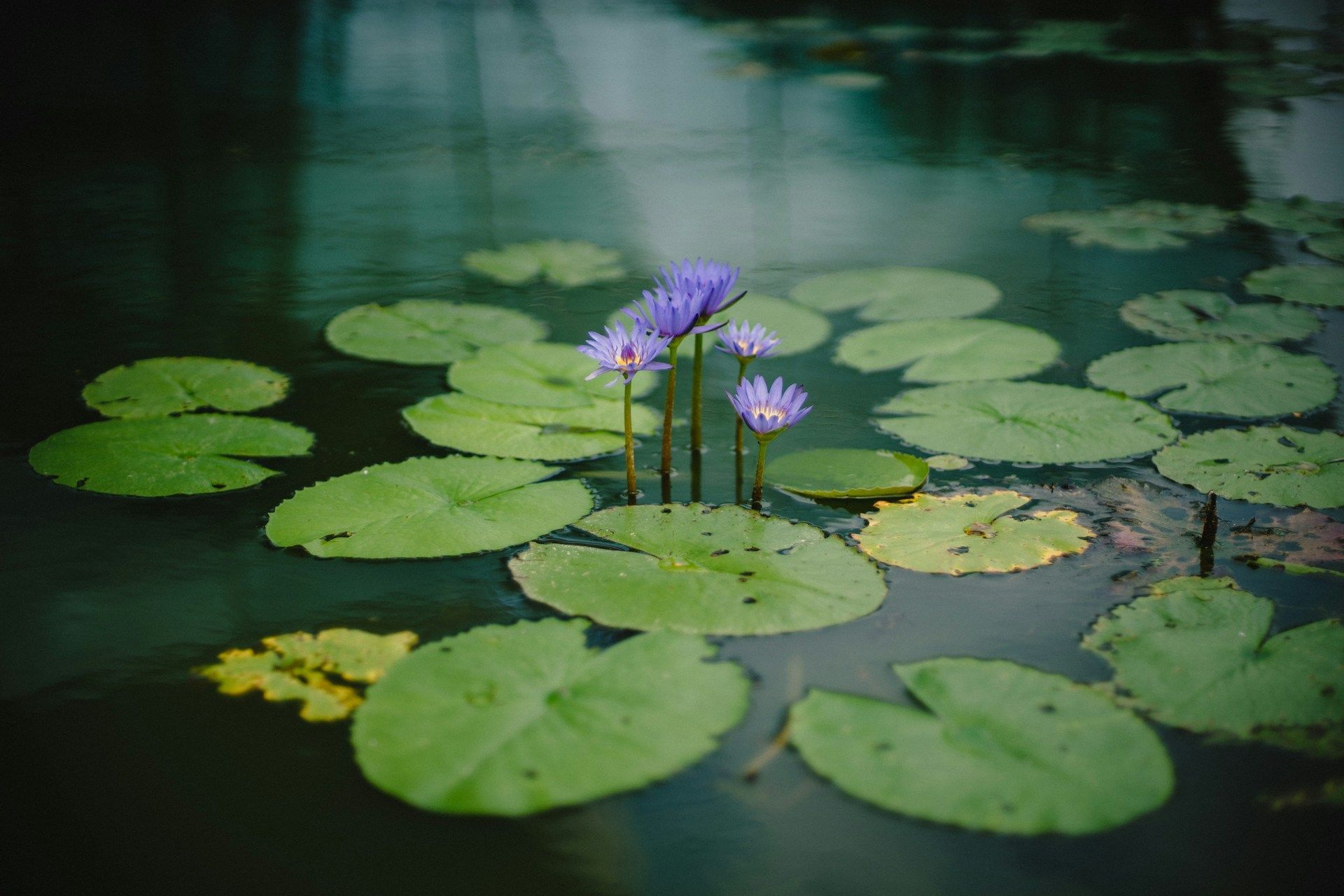
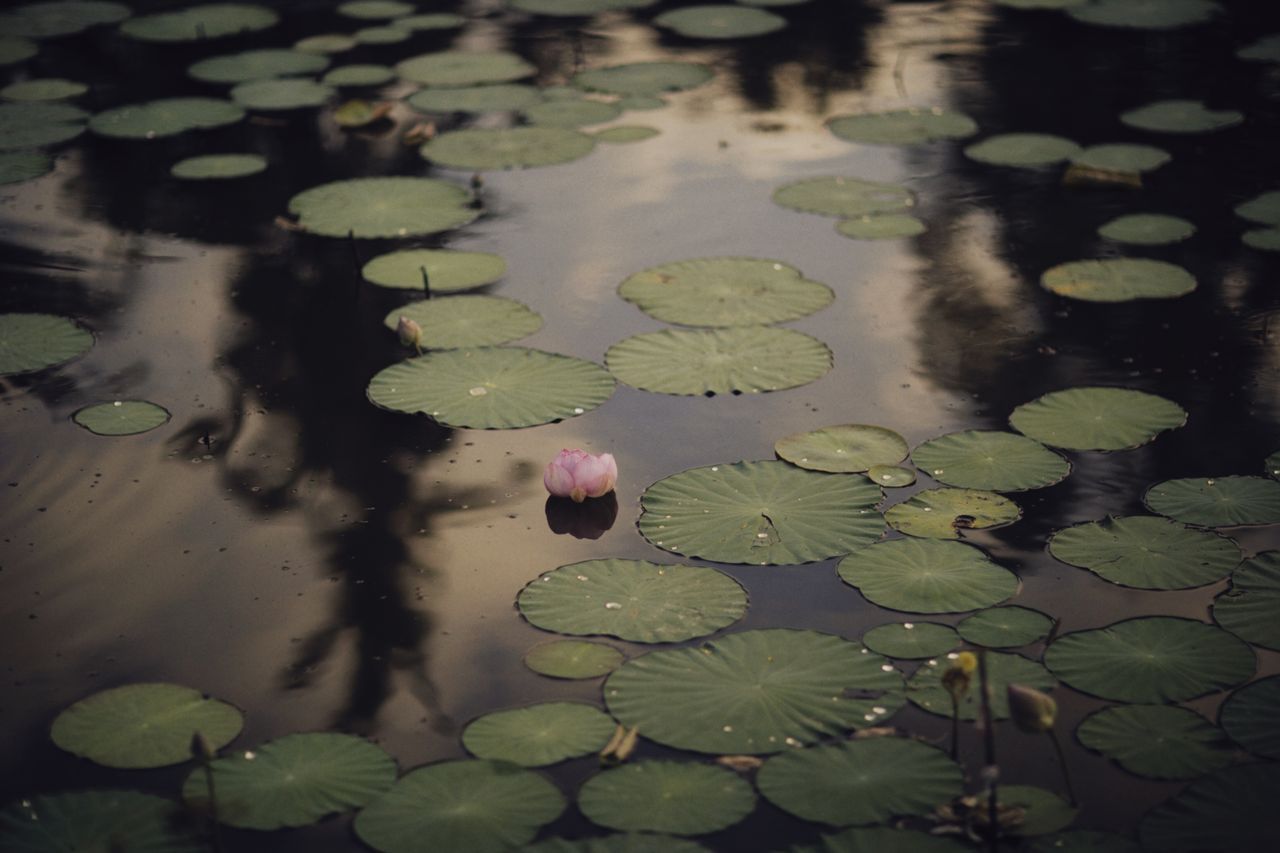
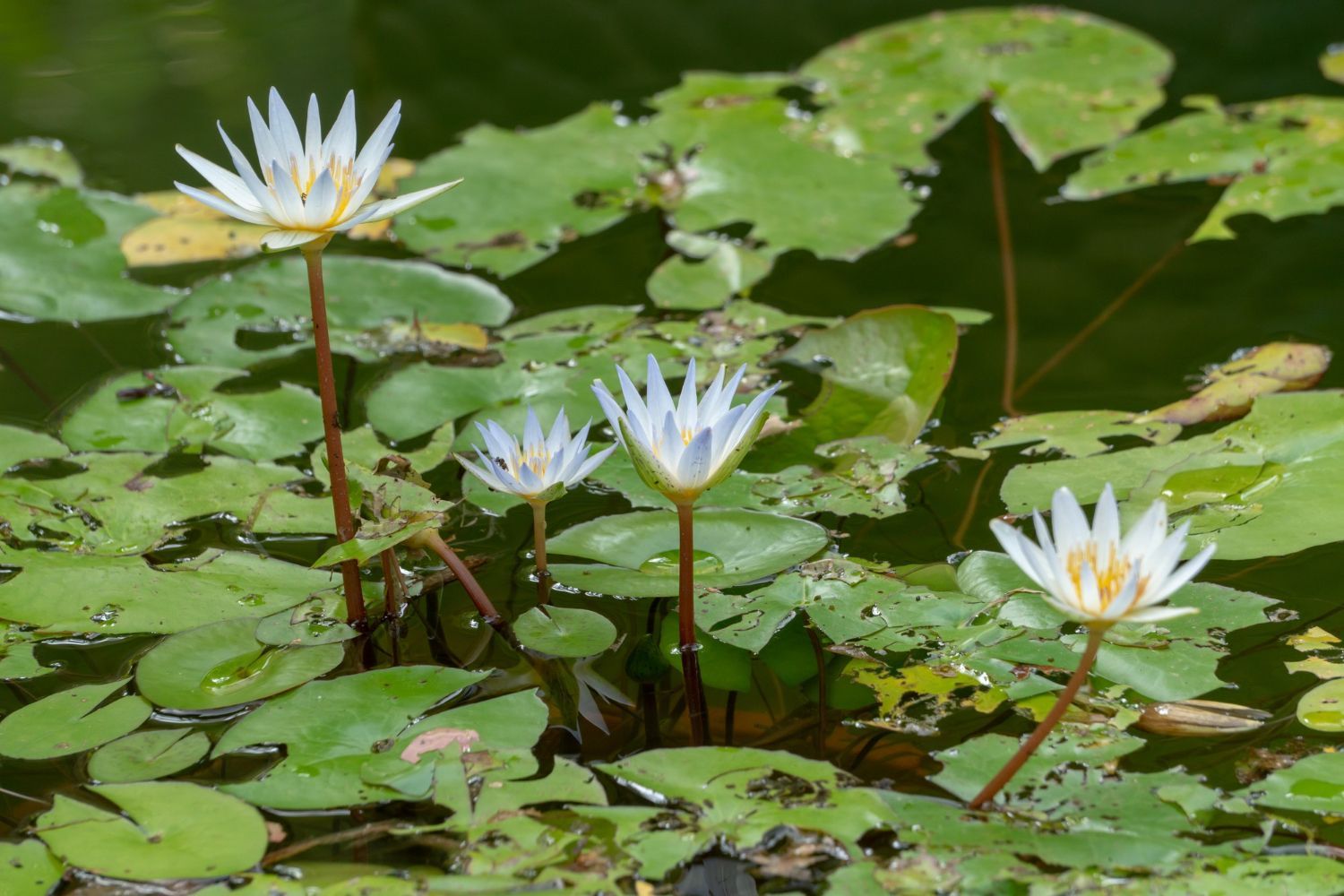
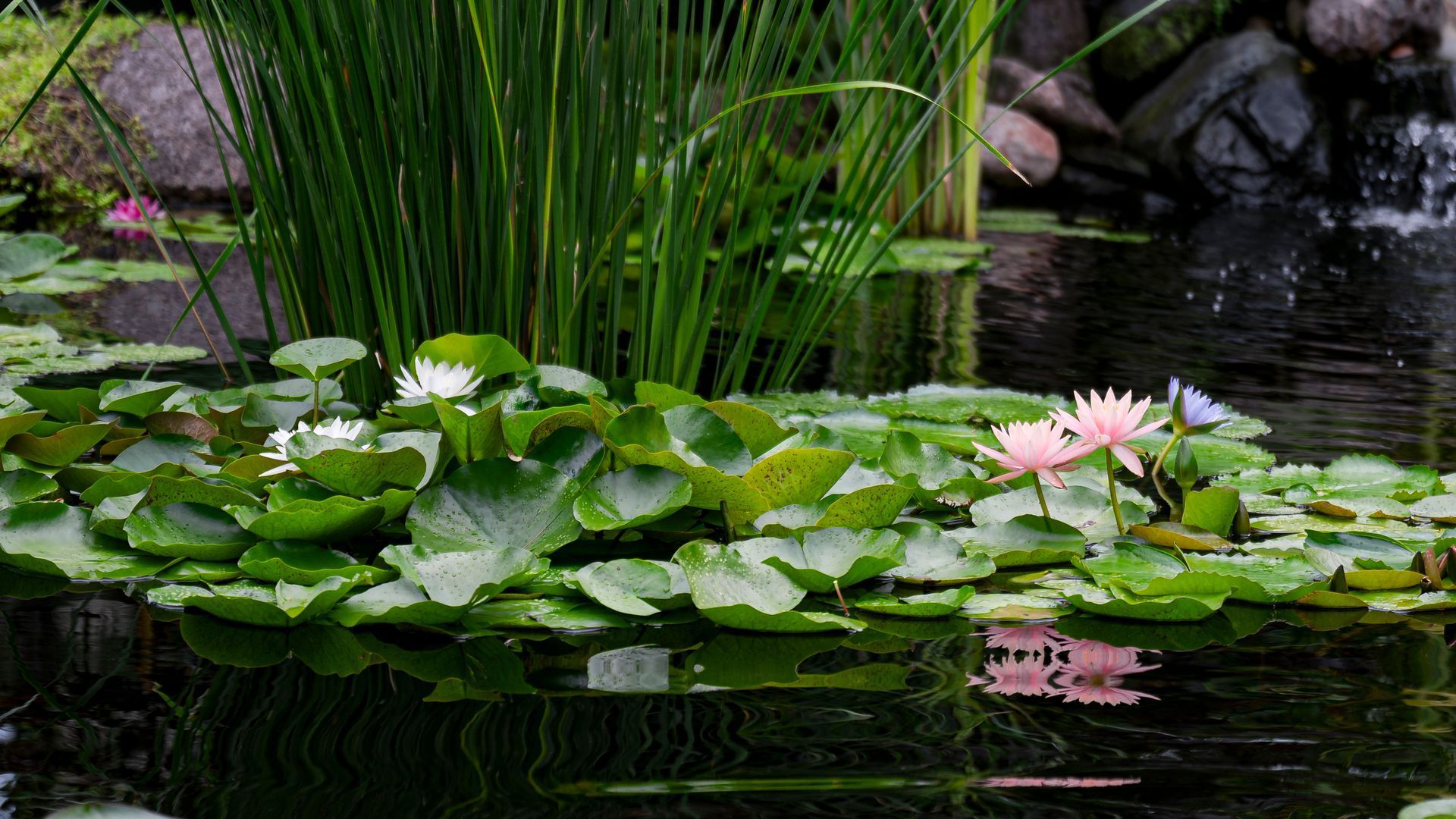
• Aquatic plants that act like natural water cleaners
• Fish that bring life and help with insects
• Rocks and gravel that give bacteria a place to live
• Beneficial bacteria that break down waste
Each piece has a job. The skimmer removes surface junk before it sinks. The biological filter and gravel hold good bacteria that turn fish waste and decaying leaves into safer forms. Plants soak up extra nutrients so algae has less to feed on. Moving water keeps things from getting stale.
Compare that to a typical, sterile pond or pool-style water feature that can need heavy chemicals and regular draining and scrubbing. Those systems often fight against nature. An ecosystem pond works with it. That means less harsh treatment, more balance, and a backyard that looks and feels more like a natural spot in the woods than a plastic tub with water.
How an Ecosystem Pond Creates a Healthier Backyard Environment
An ecosystem pond changes more than just the view. It changes how your whole outdoor space feels.
First, the air. Moving water can add a gentle mist and negative ions to the air around it. On a still, warm day, that little pocket of fresh, moving air can make your sitting area feel more comfortable. Even in winter, you may find yourself cracking open the door just to hear the soft sound of water.
Because the water keeps moving, you also cut down on stagnant water. Mosquitoes like to lay eggs in still puddles, not in flowing streams. A waterfall or stream section keeps the surface moving, which makes it harder for them to get comfortable and makes evenings outside easier to enjoy.
Then there is the wildlife. A healthy ecosystem pond often attracts:
• Songbirds looking for a safe drink
• Dragonflies gliding over the surface
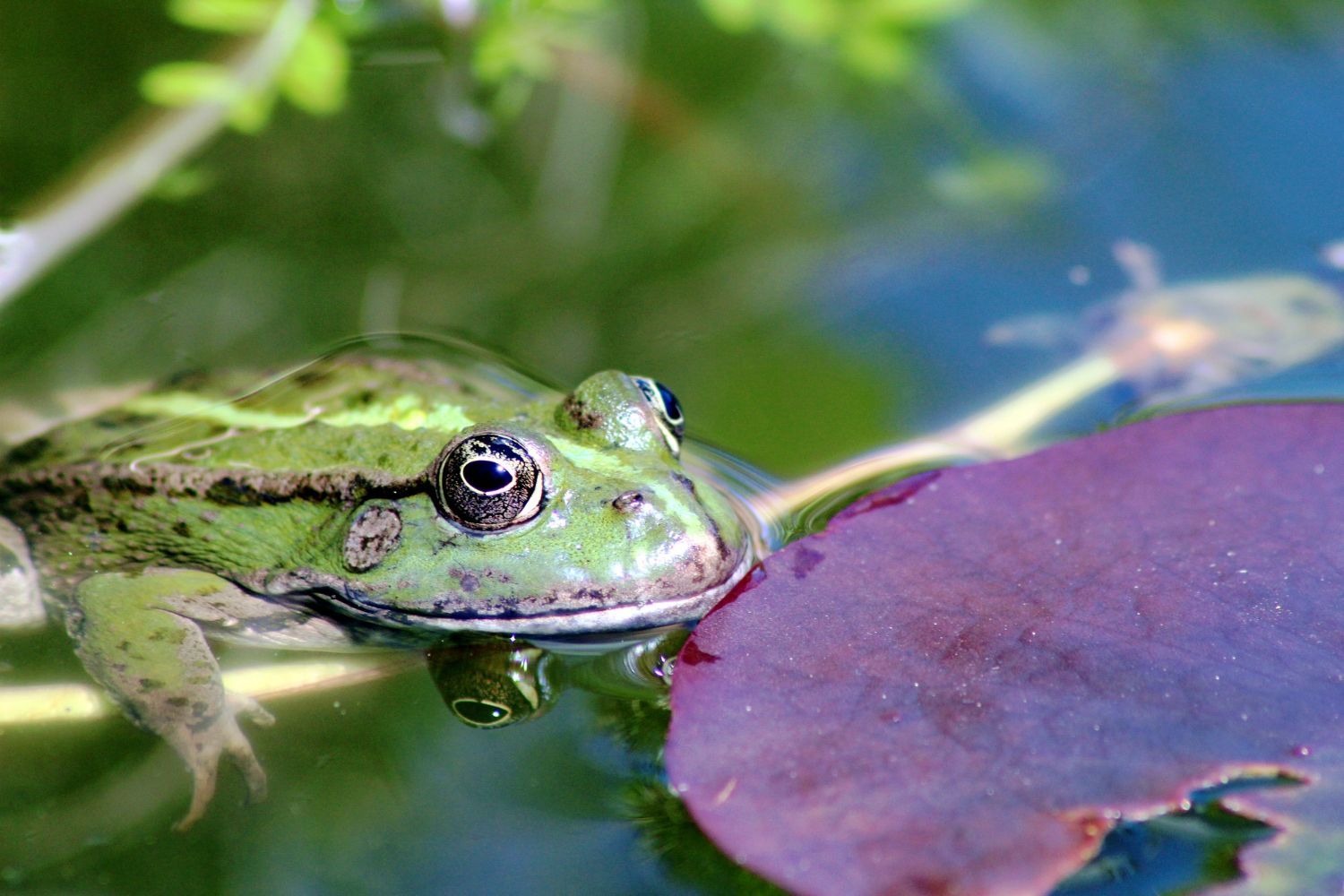
• Frogs tucked into the rocks and plants
• Butterflies and bees visiting nearby flowers
Many of these guests are helpers. Dragonflies and some birds eat mosquitoes and other pests. Frogs are fun for kids to watch and show that the water is doing well.
There is also a big mental benefit. The sound of water can make a long workday feel a little lighter.
Homeowners often use their pond space for:
• Morning coffee by the water
• Quiet talks in the evening by the waterfall
• Watching snow and ice form around a small open stream in winter
Even when it is too cold to sit outside, just seeing a pond from the kitchen or living room window can give your mind a break from screens and indoor noise.
Designed for New England Seasons and Easier Care
Our climate gives us freeze, thaw, heavy rain, and sometimes deep snow. A well-planned ecosystem pond is built with all of that in mind.
Depth, liner, rock placement, and equipment choice all matter. The pond needs to be deep enough so fish can handle cold water and so ice does not close off the whole system. The liner has to handle winter conditions. Rocks are set to protect the liner and shape shelves for plants. The pump and plumbing are sized and placed so they can keep working as long as needed and be protected when it is time to shut things down.
Across the year, you can expect different looks. In late winter, you might see ice with a ribbon of running water cutting through it. As days slowly get longer toward early spring, plants will start to wake up and the whole pond will feel more active again.
Many people are surprised by how simple the yearly rhythm can be when the pond is designed well:
• A deeper cleanout or tune-up once a year
• Light checks and simple care in warm months
• Leaf netting or skimming in late fall
• Basic checking in winter to be sure things are safe
Because an ecosystem pond is based on balance, nature does a lot of the work. In our area, another plus is how a pond can help with small drainage problems. A low, soggy spot can sometimes be turned into a planned water feature instead of a muddy mess. When placed where you can see and enjoy it, a pond can also add to the feel and value of an outdoor living space in neighborhoods where gardens and yards are already a point of pride.
Cleaner Water, Less Work, and Planning with PD Waterscapes
Many homeowners worry about green water and constant scrubbing. An ecosystem pond is built to keep water cleaner in a more natural way. Beneficial bacteria, filters, rocks, and plant roots all help break down waste and extra nutrients. With good circulation and air from a waterfall or small stream, algae has a harder time taking over and fish stay healthier.
Plants and fish work as a team. Plants soak up nutrients that would otherwise feed algae. Fish eat some insects and help keep the system active. When stocking and planting are done thoughtfully, the whole pond becomes more stable and easier to care for over time.
There is still some regular care. That might include emptying the skimmer basket, checking the pump, trimming plants, and doing seasonal cleanouts. Many homeowners choose to have a pond professional handle the bigger tasks, so they can just enjoy the space.
If you are thinking about your own ecosystem pond, planning is key. Good spots are usually:
• Close to a patio, deck, or main seating area
• In clear view from main windows
• In a balance of sun and shade to help plants and water temperature
Some homeowners start with a modest pond and expand later as they fall in love with it. Size, shape, and layout can be adjusted to fit the yard and how you want to use the space.
With PD Waterscapes, the process usually starts with a visit to your property and a real talk about how you hope to use your yard. We look at grades, sun, views from inside, and how waterfalls or streams might fit. We plan out excavation, liner placement, rock work, plant zones, and lighting so the pond feels natural day and night and works well right from the start.
Ongoing care and upgrades are always possible. Some homeowners add more waterfalls, pathways, or extra sitting spots over time. Others focus on regular maintenance so the pond stays healthy through every New England season.
An ecosystem pond can turn a typical backyard into a living, breathing retreat, even in the middle of a Connecticut winter. With thoughtful design and care, it supports cleaner water, better air, calmer minds, and a closer connection to the outdoors all year long.
Transform Your Yard Into A Thriving Aquatic Retreat
At PD Waterscapes, we design and build every
ecosystem pond to be a living, low-maintenance feature that fits your space and lifestyle. We take care of the details, from layout and filtration to rock placement and plant selection, so you can simply relax and enjoy the water. If you are ready to explore what is possible in your yard,
contact us to start planning your project.