Tuning Your Ears to a Healthier Backyard Waterfall
Your backyard waterfall is not just pretty background noise. The sound it makes is a simple, daily health report for your koi pond and the living things that depend on it. When you learn what to listen for, you can catch small problems long before they show up as green water or stressed fish.
At PD Waterscapes, we design koi ponds and natural water features that feel like they were shaped by nature. In a balanced pond, the sound of moving water reflects flow rate, oxygen levels, and overall pond health. The right waterfall sound tells you that stone, plants, fish, and water are working together as one thriving ecosystem.
In the next sections, we will walk through how a natural-looking waterfall should sound, what different noises can mean, and how a quick listening routine can help protect your koi and your backyard sanctuary all year long.
The “Always Belonged” Waterfall Aesthetic
A waterfall that looks like it has always been part of your yard usually sounds more natural too. When water follows believable paths over stone, the sound is calm, steady, and layered instead of sharp and harsh. That relaxed tone helps your pond feel like a true retreat, not a noisy fountain.
Thoughtful stone placement is a big part of this. We like to:
- Mix large boulders with medium and small rocks so the cascade breaks into many small falls
- Tuck stones into existing slopes so the waterfall steps feel like exposed ledges, not stacked blocks
- Use flat weir stones at the top so the water spreads out in a sheet before it drops
Plants finish the “always belonged” look and shape the sound at the same time. Ferns, sedges, and creeping groundcovers along the edges:
- Soften hard stone lines
- Catch and absorb some splash
- Break up echoes so the waterfall has a warm, full tone
When a waterfall blends with existing grades, trees, and views from the house or patio, it not only looks like it has been there for decades, it also creates a sound you can live with every day. That is the kind of sanctuary we love to build in West Hartford and nearby Connecticut communities.
The Five Elements of a Healthy Koi Pond
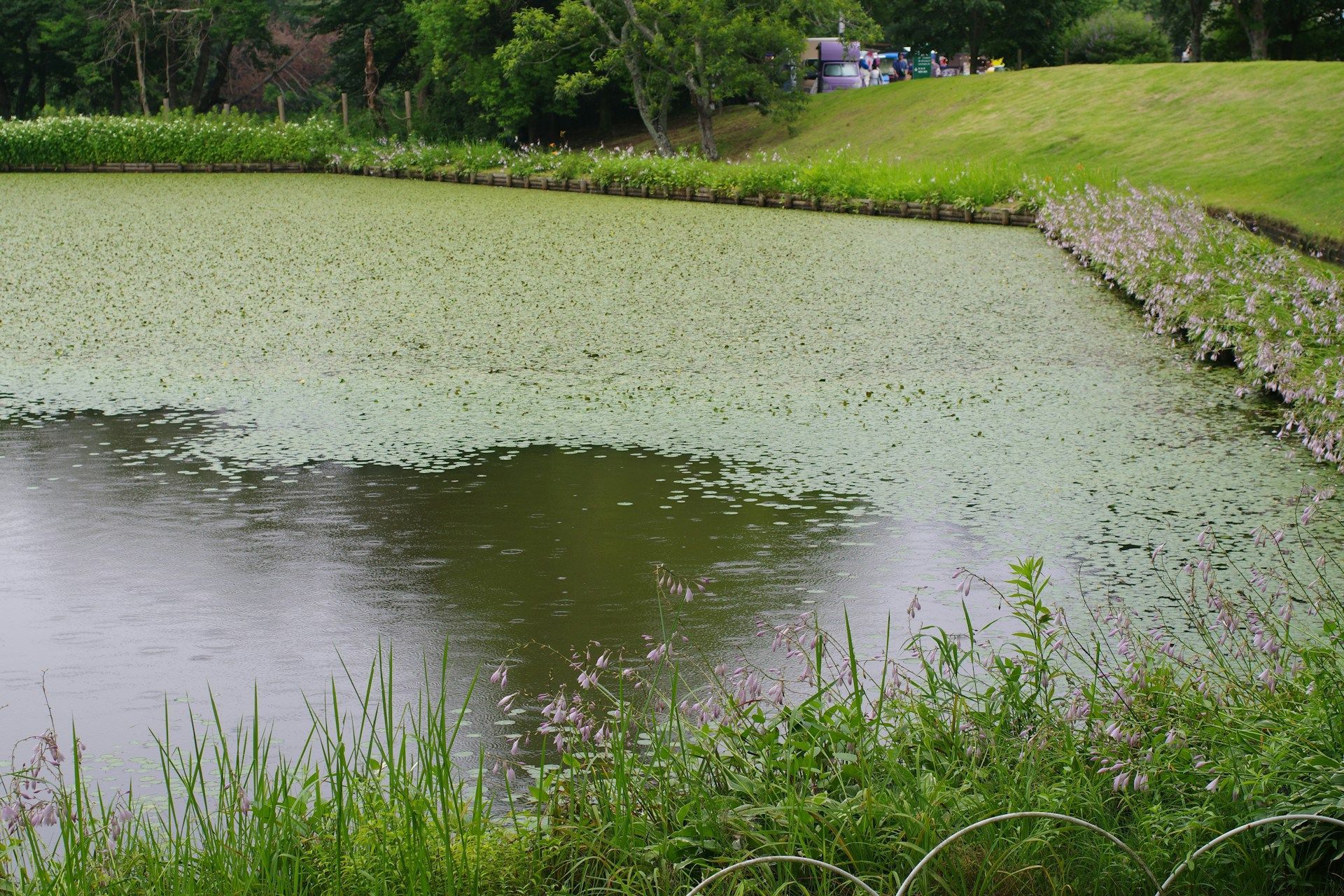
A healthy koi pond is more than just a hole filled with water and fish. It is a small ecosystem, and each part affects how your waterfall sounds and performs.
Filtration and circulation
Mechanical and biological filtration keep water clear, clean, and moving. When pumps and plumbing are sized well for your pond and koi load, you get:
- Consistent flow over the waterfall
- Steady oxygen levels
- A sound that is strong but not overpowering
If the waterfall is roaring like a river or barely whispering, that can be a sign that circulation is out of balance.
Rocks and gravel
Rocks and gravel are not just decoration. They:
- Protect the pond liner from sun and claws
- Provide surface area for beneficial bacteria to grow
- Break up the water path so the sound has depth, not one loud splash
That slimy coating on submerged stone, called biofilm, is usually a sign that the ecosystem is working, not that it is dirty.
Plants
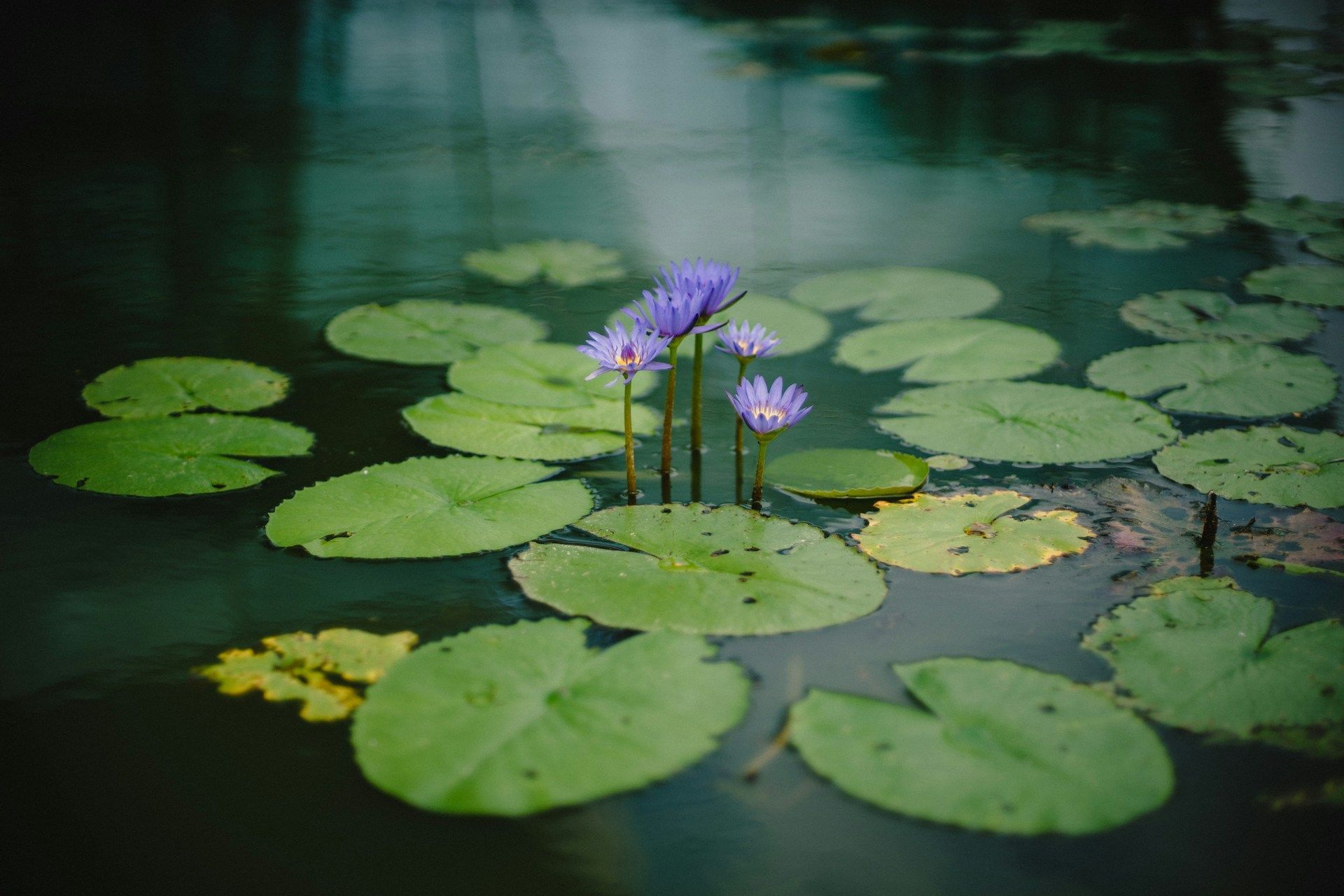
Aquatic and marginal plants pull nutrients out of the water, help keep the edges stable, and soften the look of the pond. They also help tune the sound. Thick plantings can catch spray, reduce sharp splashes, and keep the waterfall from echoing off bare rock.
Fish
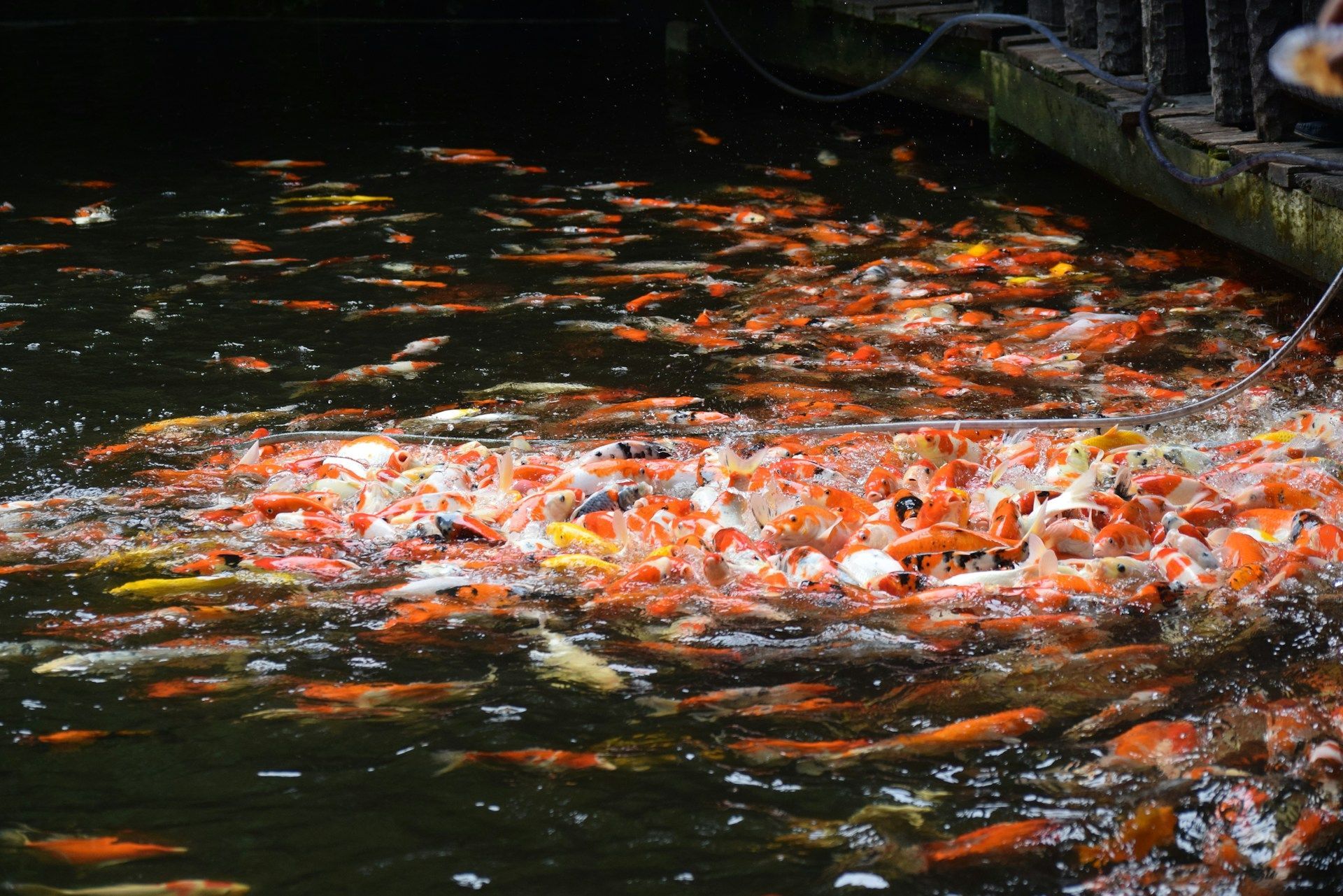
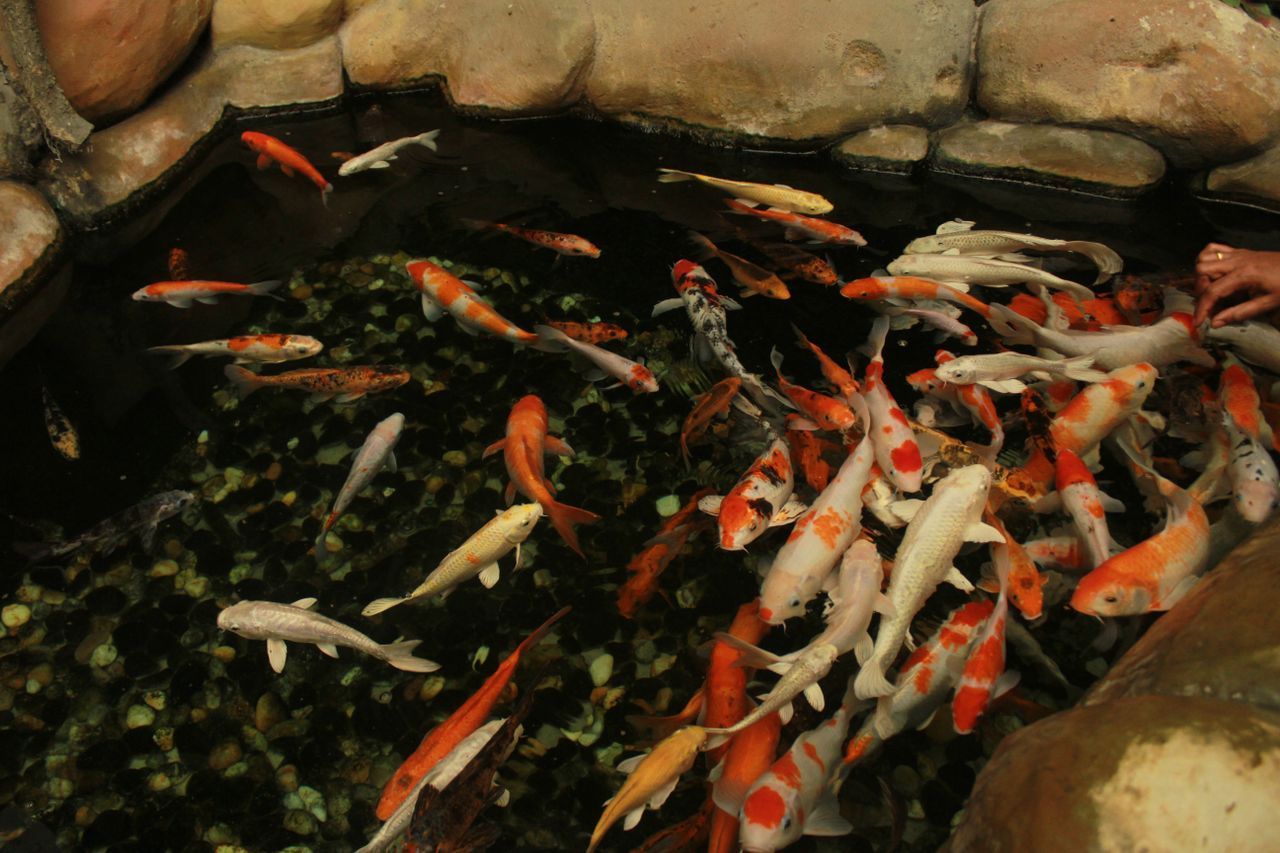
Koi are active members of the system. As they swim, they stir the water and add waste that the filters and bacteria must handle. When flow and sound are balanced, koi move calmly through all parts of the pond. If they avoid noisy, turbulent areas under the waterfall, that can be a hint that the drop or current is too strong.
Beneficial bacteria
Invisible bacteria break down fish waste and decaying leaves into less harmful forms. Good waterfall and stream design keeps oxygen-rich water moving across the rocks and gravel where these bacteria live. When circulation is right, the whole pond, from the pump to the waterfall lip, works as one living filter.
What Your Waterfall Sound Is Telling You
In a healthy system, the waterfall has a steady, layered voice. You might describe it as a rush, murmur, or gentle roar that you can easily talk over on the patio. There should be energy in the sound, but not so much that it feels like standing next to a highway.
Changes in that sound are often the first warning sign of a problem:
- Sudden loud roaring or gushing can signal that water is being forced through a narrow spot because of a low water level, clogged skimmer, or plumbing issue
- A thin, tinkling, or weak trickling sound where you used to have a full cascade often means reduced flow from a dirty filter, clogged pump intake, or a developing leak
- Gurgling, slurping, or sucking noises are clues that air is entering the system, usually from a low water level, a vortex in the skimmer, or exposed plumbing
Season changes are a great time to listen closely. When you start your waterfall up after winter or increase run time in spring, pay attention to any new noise. Ice, shifting stones, and fallen branches can all change the path of the water and the sound that reaches your ears.
How Waterfall Flow Affects Koi Health
Your waterfall is one of the main ways your pond breathes. As water breaks and splashes, it takes in oxygen from the air. Koi need that oxygen, especially as water temperatures rise into the 60s and 70s Fahrenheit.
If you notice koi hanging at the surface, moving slowly, or gasping on still, warm evenings, listen to the waterfall. If the sound is weak or thin, your pond might not be getting enough aeration.
Water movement also affects koi comfort and stress. The area right under a high, hard-hitting drop can be very turbulent. Strong, constant current can tire fish and push them away from parts of the pond. We like to design ponds with zones:
- Quiet ledges and shelves for resting
- Deeper, calmer areas where koi can glide
- Gentle surface movement from the waterfall and stream
Since koi are a long-lived, valuable investment, it pays to notice their behavior. If they suddenly huddle away from the waterfall, begin jumping more than normal, or scrape on rocks, pair those signs with any recent change in the sound or strength of the falls. That combination can guide smart troubleshooting before real damage is done.
Listening Walkthrough and Daily Waterfall Habits
A quick, five-minute listening check can tell you a lot about pond health.
Pause and settle
Stand 10 to 15 feet from the pond, close your eyes, and just listen. The waterfall should sound even, with no sudden pitch changes, rattling, or slurping.
Move closer
Walk to the pond edge. Listen for:
- Extra pump hum or vibration through stone
- Sharp splashes that may mean water is hitting bare liner or exposed rock
- Hollow sounds that can hint at water running behind the liner
If it is safe, place your hand near the waterfall lip. The flow should feel strong and steady, not like a pressure washer and not like a trickle.
Walk the perimeter
Circle the pond slowly. Listen for water where you cannot see it, such as behind the falls or into planting beds. Very quiet spots in a line of cascades can signal a blocked channel or shifted rock that is sending water out of sight.
Pair sound with sight
As you listen, look at water clarity, fish behavior, and plant growth. A nice sounding waterfall is not enough if the water is cloudy or the koi seem stressed. All your senses together give the best picture of pond health.
Many homeowners turn this into a daily habit, like sipping morning coffee by the pond or taking a quick evening stroll when the lights come on. Some keep a simple notebook or phone log of changes in the sound and flow. That record can help connect small shifts in your waterfall voice with weather, feeding, or seasonal changes, and it supports the long-term health of the backyard sanctuary we all want to enjoy.
Transform Your Outdoor Space With a Custom Water Feature Today
If you are ready to bring soothing sound and movement into your yard, we can design and build a custom
waterfall that fits your space and style. At PD Waterscapes, we focus on details that make your feature look natural, safe, and easy to maintain. Tell us about your vision, and we will guide you through options, timing, and budget. To schedule a consultation or ask questions, simply
contact us.