Turn a Harsh Pool Waterfall Into a Natural Retreat
A lot of Connecticut backyards have the same problem. The pool is beautiful, the patio is nice, but the pool waterfall looks like it belongs at a hotel, not at home. Straight concrete, stiff stone, loud sheet of water, no plants in sight. It does the job, but it does not feel like a “designed by nature” feature.
You do not have to tear out the pool to fix that. With the right stone choices, softer edges, smart planting, and some reshaping of the spillway, that same waterfall can start to feel like it has always belonged there. Late spring into early summer is a perfect time to make the change, since plants root quickly and water temperatures are settling into a comfortable range for both people and wildlife.
At PD Waterscapes, we focus on naturalism and sustainability. We love turning hard, harsh structures into living, thriving ecosystems that work with biological filtration instead of fighting it. Your backyard waterfall can be more than a pool add-on; it can become a small sanctuary that ties your whole yard together.
Seeing the Potential in Your Existing Pool Waterfall
Most man-made pool waterfalls give themselves away right away. Common signs include:
- Uniform gray concrete or faux rock
- Blocky, evenly stacked stones that look like a wall, not a streambank
- A straight, level spillway where water falls in one flat sheet
- Visible plumbing, liner, or sharp edges where rock meets coping
A good first step is a simple “audit” of what you already have. Stand in different places in your yard, and even inside your home, and take pictures. Ask yourself:
- Where does your eye go first, the water or the concrete?
- Where can you see bare liner, exposed mortar, or the pool shell?
- Does the water tumble and slip over rocks, or just pour off like a faucet?
In many backyards, the bones are already there. Often the underlying structure, pump, plumbing, and general elevation can stay. A retrofit is usually about sculpting and disguising, not demolishing. We work with what you have and reshape the visible parts so it looks like the waterfall came first and the pool was built around it.
Choosing Stones That Look Like They Grew There
Stone is the backbone of a natural waterfall. When the rock looks local and varied, your eye reads the whole feature as part of the Connecticut landscape instead of a catalog piece.
For our area, we tend to use:
- Weathered fieldstone with rough faces and soft colors
- Rounded river rock that looks like it has been moved by water
- Larger boulders with lichens or moss already starting to grow
We avoid shiny, overly uniform showroom rock that feels out of place next to New England soil and trees. The goal is for the waterfall to blend into what is already in your yard, not to shout for attention.
We also think in layers when we set stone:
- Large anchor boulders to define the main shape
- Medium stones to lock those boulders in and build sidewalls
- Gravel and small rock to tuck into gaps, soften edges, and hide liner
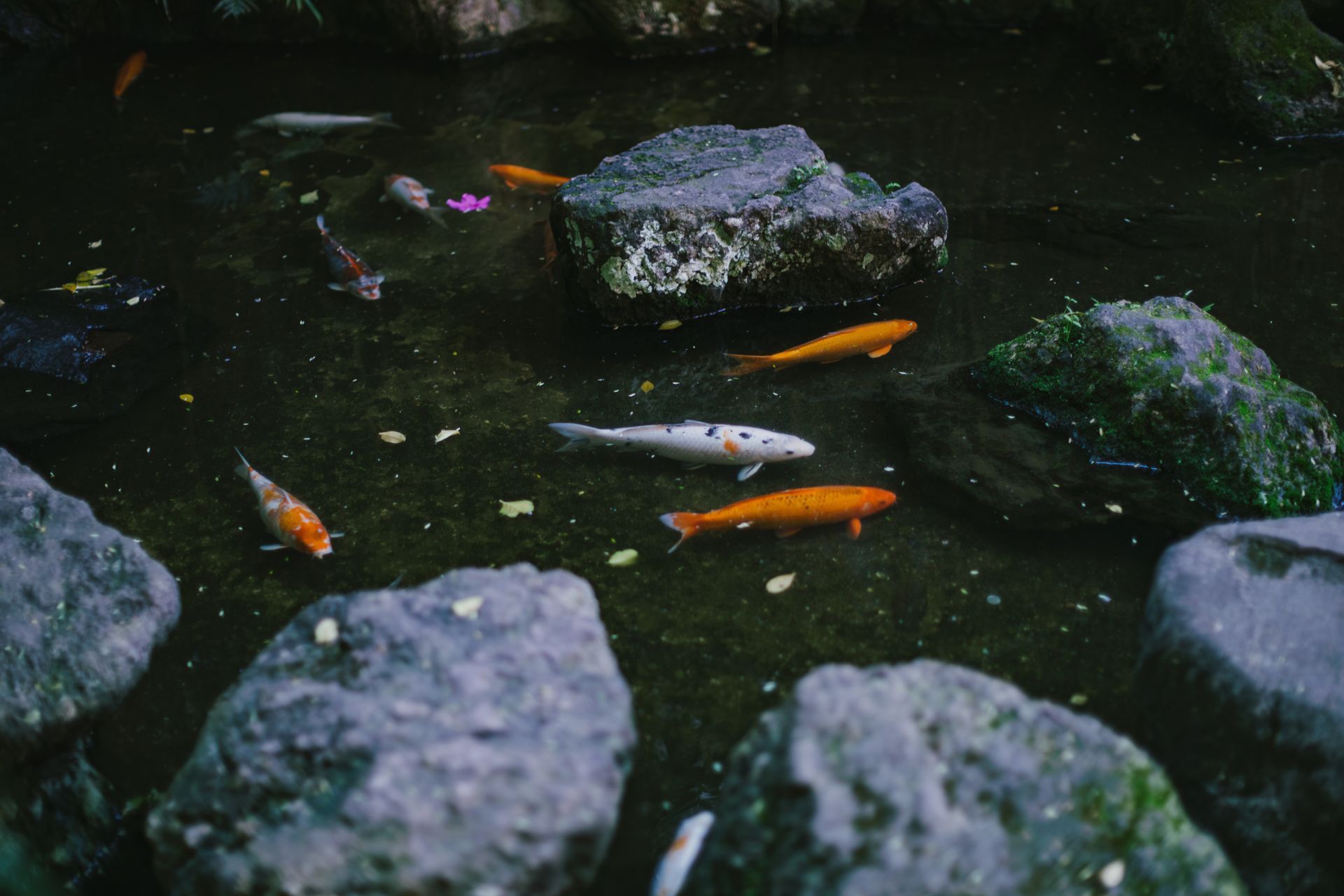
Tucking some stones under the waterline is a big part of the “always belonged” look. When rock disappears down into the pool or pond, the feature feels rooted, not perched on top. Those underwater stones also give tiny spaces for beneficial bacteria and small creatures to live.
Sculpting a Softer, More Natural Waterfall Spillway
The shape of the spillway controls the personality of your waterfall. A narrow notch creates a lively, higher-pitched sound. A broken, wider lip creates a gentle rush that is easier to talk over at night.
On many pool waterfalls, the spillway is just a straight, sharp edge. To soften that, we can:
- Add flat stones to break one long drop into several small cascades
- Tilt rocks slightly so the water turns, splits, and crosses itself
- Use hidden shims and foam behind the rocks to guide water where we want it
All of the visible materials stay natural, with the hidden work controlling the flow. When water tumbles over staggered stone instead of falling as a sheet, it picks up more oxygen. If your waterfall feeds an adjacent koi pond or ecosystem feature, that extra oxygen supports biological filtration and healthier fish. Even beside a standard pool, that tumbling, broken flow feels more alive and less like a fountain.
Edge Detailing, Planting, and Ecosystem Thinking
Edges are where most retrofits either succeed or fail. A natural waterfall should not have a hard line where rock meets coping or soil. We like to blur those borders:
- Overlap rocks slightly over the pool edge so the eye does not stop at the coping
- Run gravel and small stones out into nearby mulch beds or lawn
- Layer textures, from big boulders down to pea gravel, so nothing ends in a straight line
Planting finishes the “designed by nature” effect. Around a waterfall, we look for moisture-loving plants that can handle a bit of splash, such as:
- Perennials with soft leaves and blooms for spring and summer
- Ornamental grasses that move in the breeze and catch light
- Native shrubs set back a bit, giving height and a sense of depth
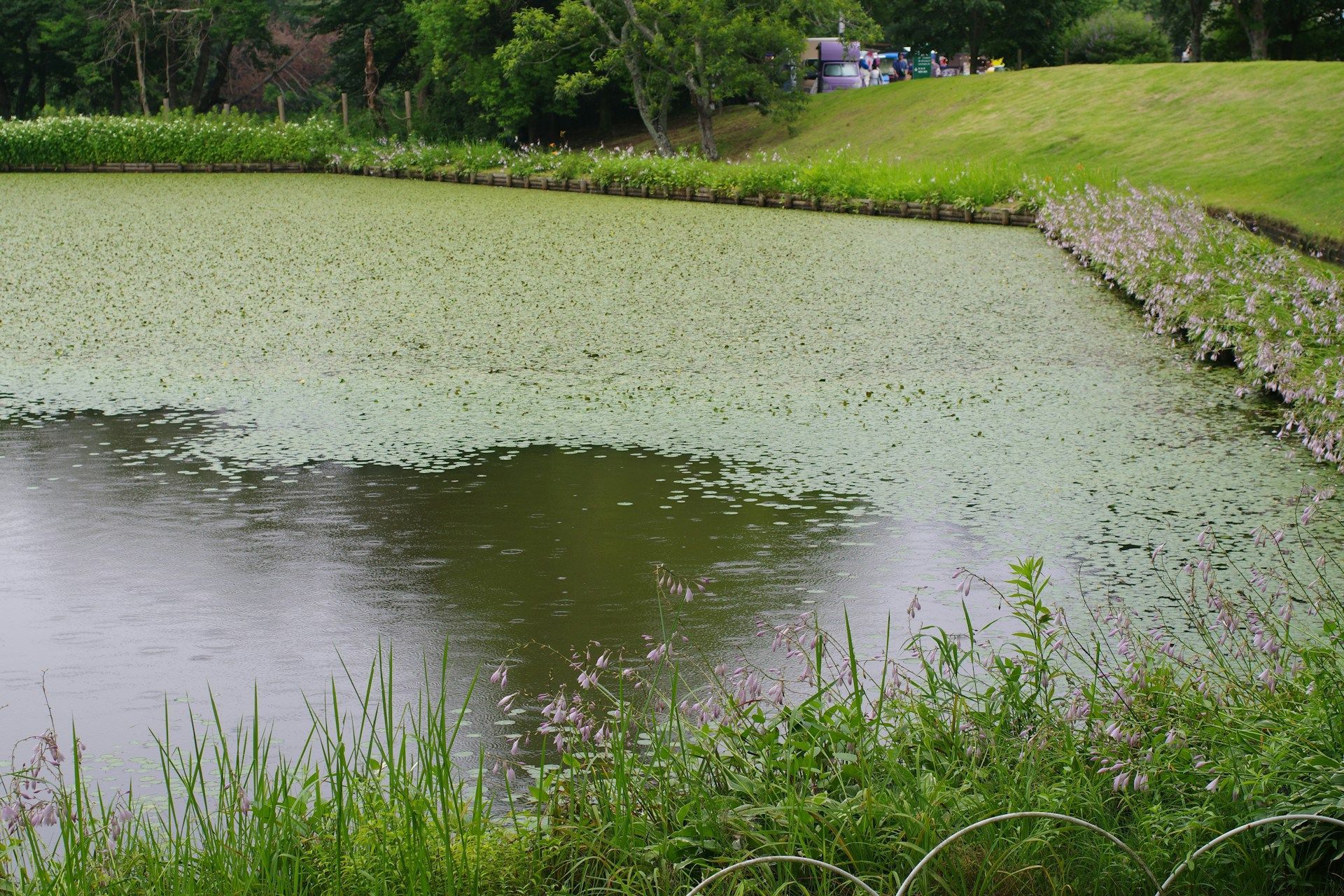
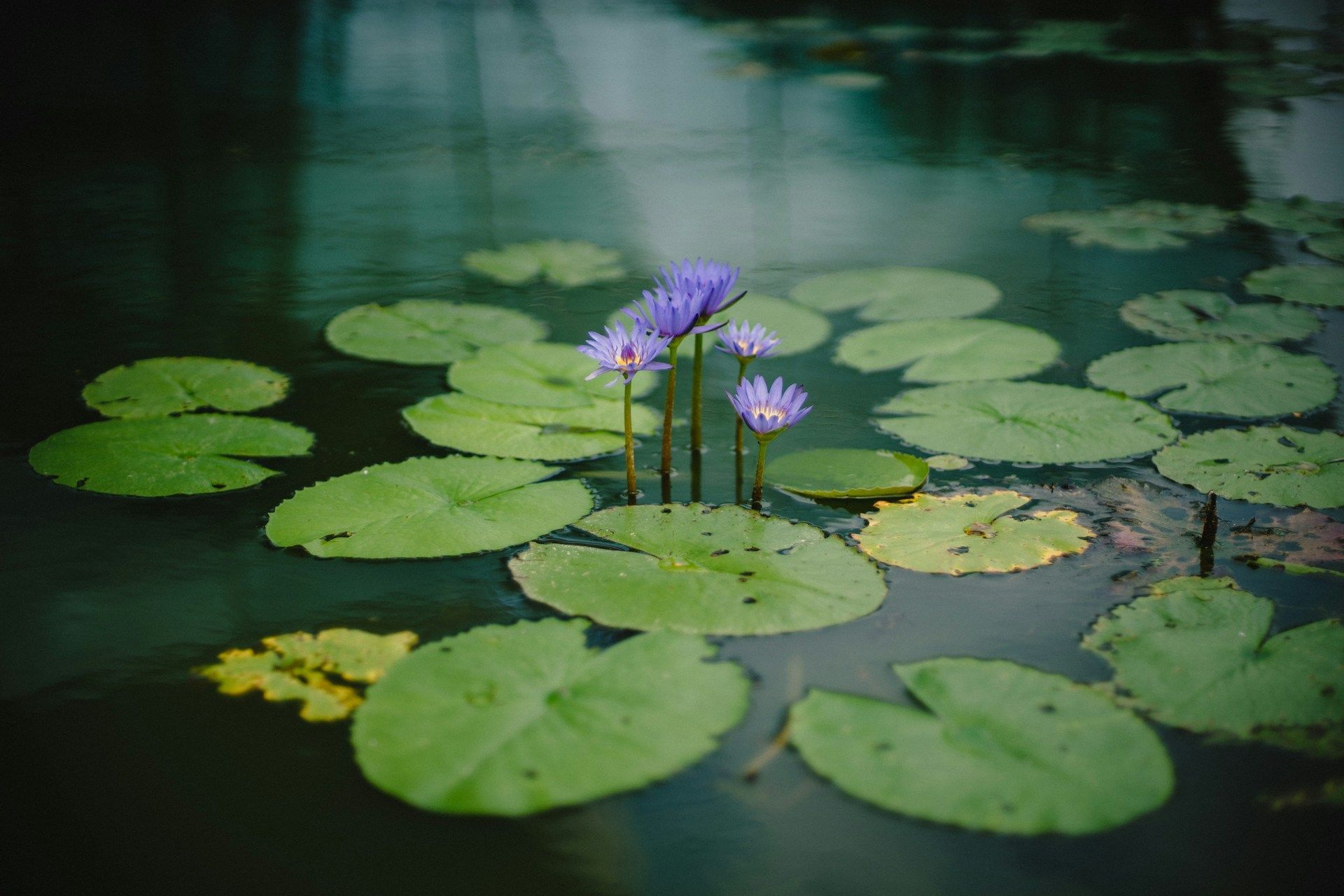
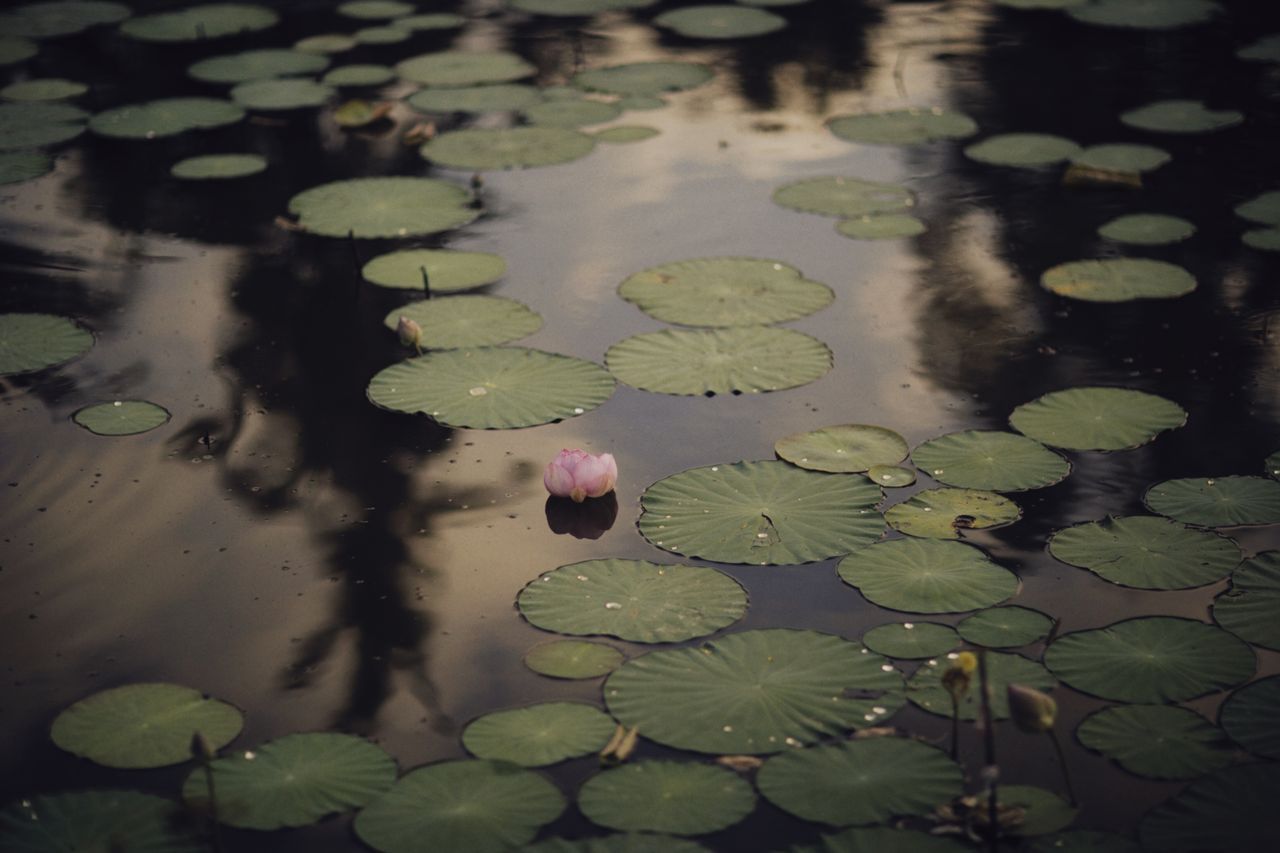
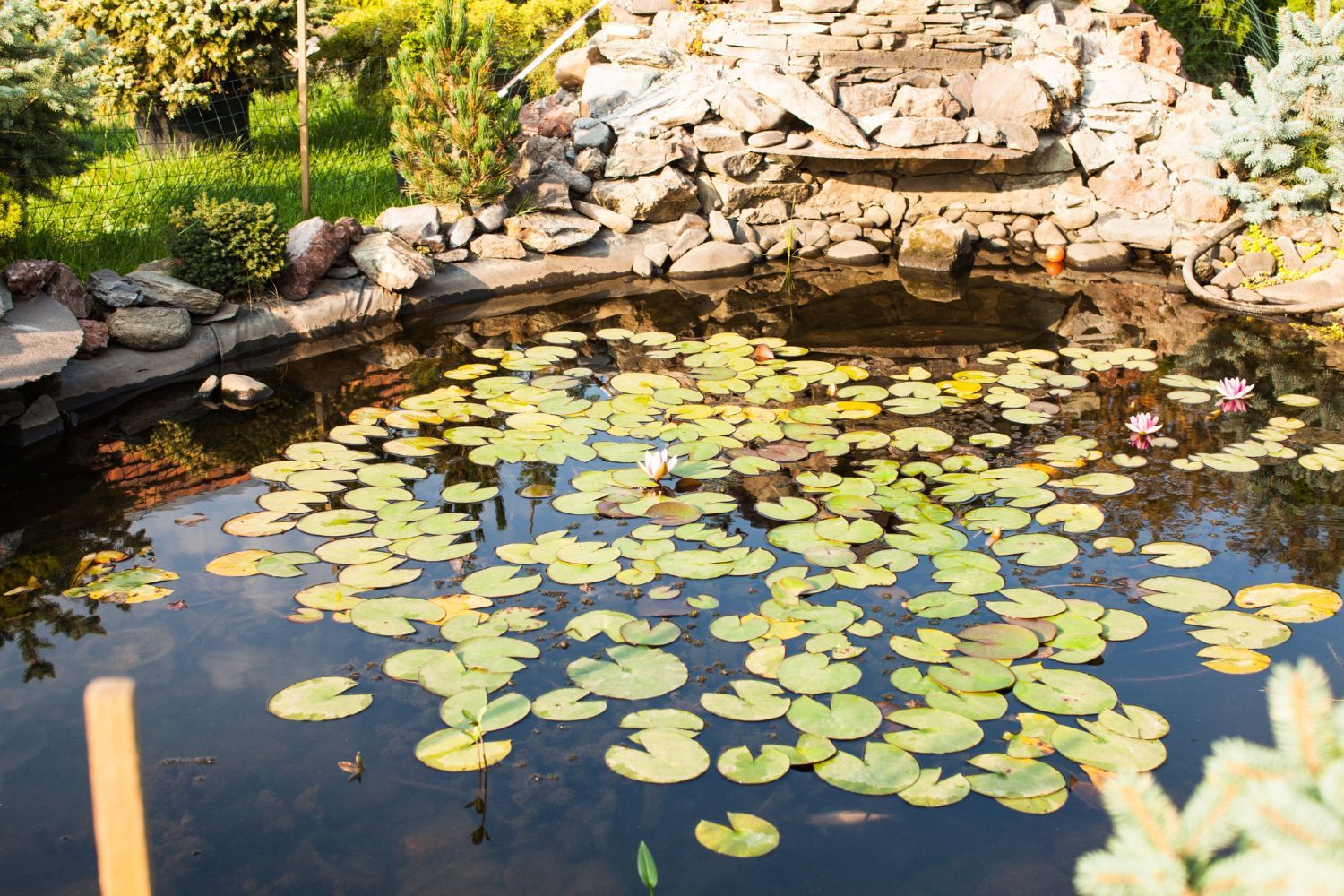
We avoid straight rows. Instead, we plant in irregular clusters and staggered heights, the way plants would naturally colonize a streambank. As seasons change, flowers, seed heads, and evergreen shapes keep the area interesting. Moving leaves and reflections in the water add to the feeling of a living, thriving ecosystem.
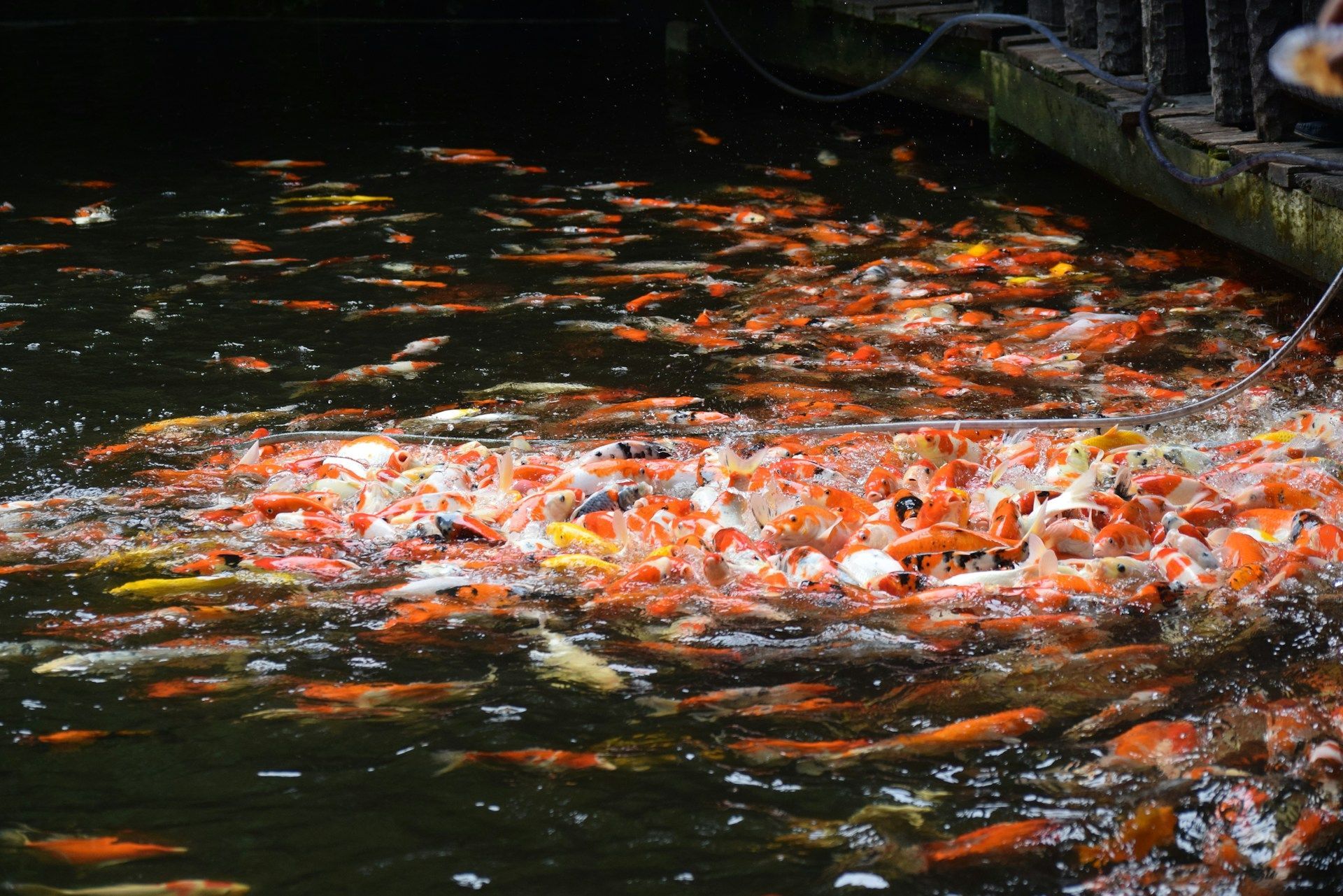
When we retrofit, we also think about the five parts of a healthy koi pond ecosystem and how they might connect to your poolside waterfall:
- Filtration to keep water clear
- Rocks and gravel to provide shelter for bacteria and small life
- Plants to absorb extra nutrients
- Fish that complete the nutrient cycle
- Beneficial bacteria that quietly handle biological filtration
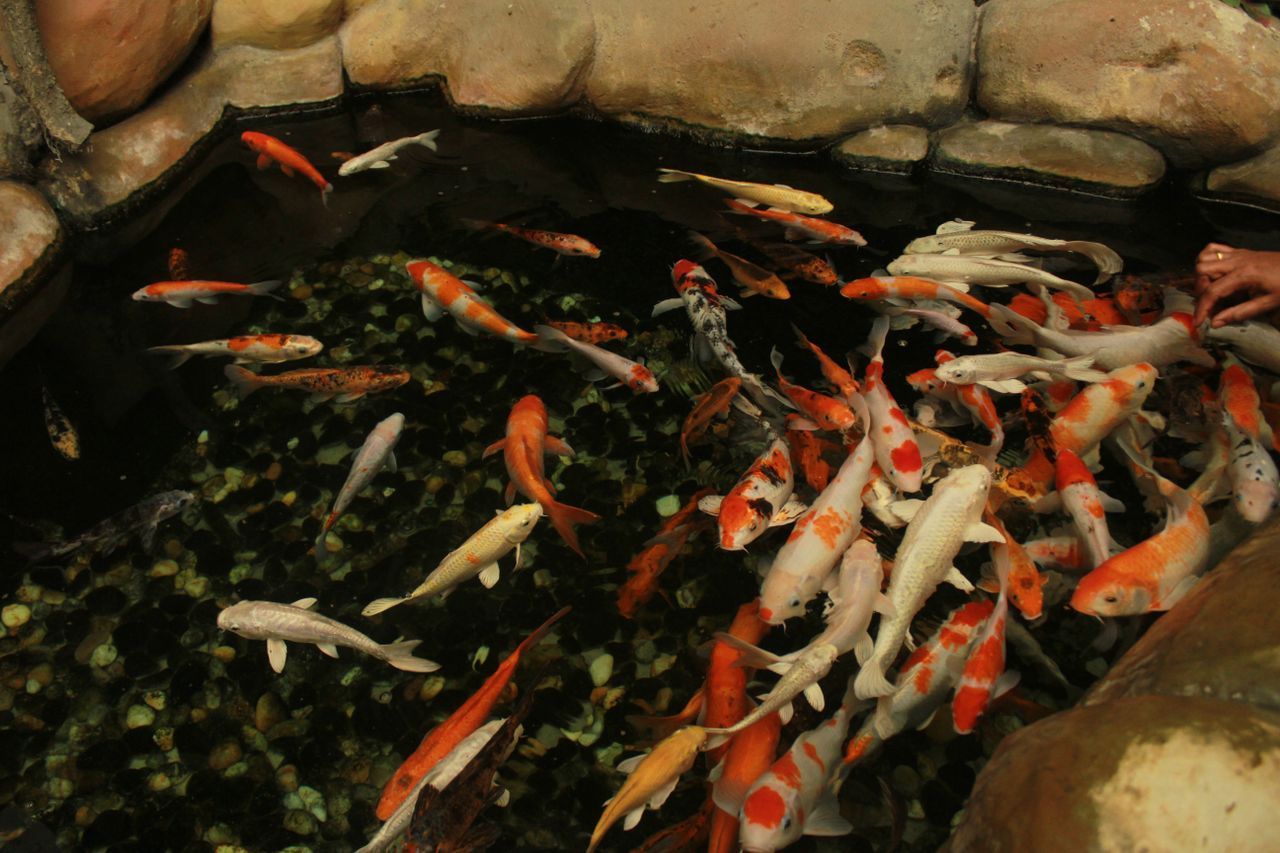
If your waterfall feeds a koi pond, we pay close attention to stable water temperature, good oxygen levels, and balanced feeding so the fish stay healthy. Even when the main body of water is a chlorinated pool, a nearby pond and waterfall can become a sanctuary for birds, frogs, and dragonflies. It gives your yard a calm, living counterpoint to the straight lines of the pool.
Bringing the Sights and Sounds of Water to Life
Sound might be the most personal part of a waterfall. Some families want a gentle murmur in the background. Others prefer a stronger rush that softens neighborhood noise. When we shape spillways, we often have homeowners stand in a few key spots, such as:
- By the patio table where you eat
- Near the kitchen window where you stand in the evening
- By the bedroom windows where you fall asleep
From each spot, we think about volume and pitch. A narrow, higher drop right outside a bedroom might be too sharp, while a lower, broken cascade is soft and steady.
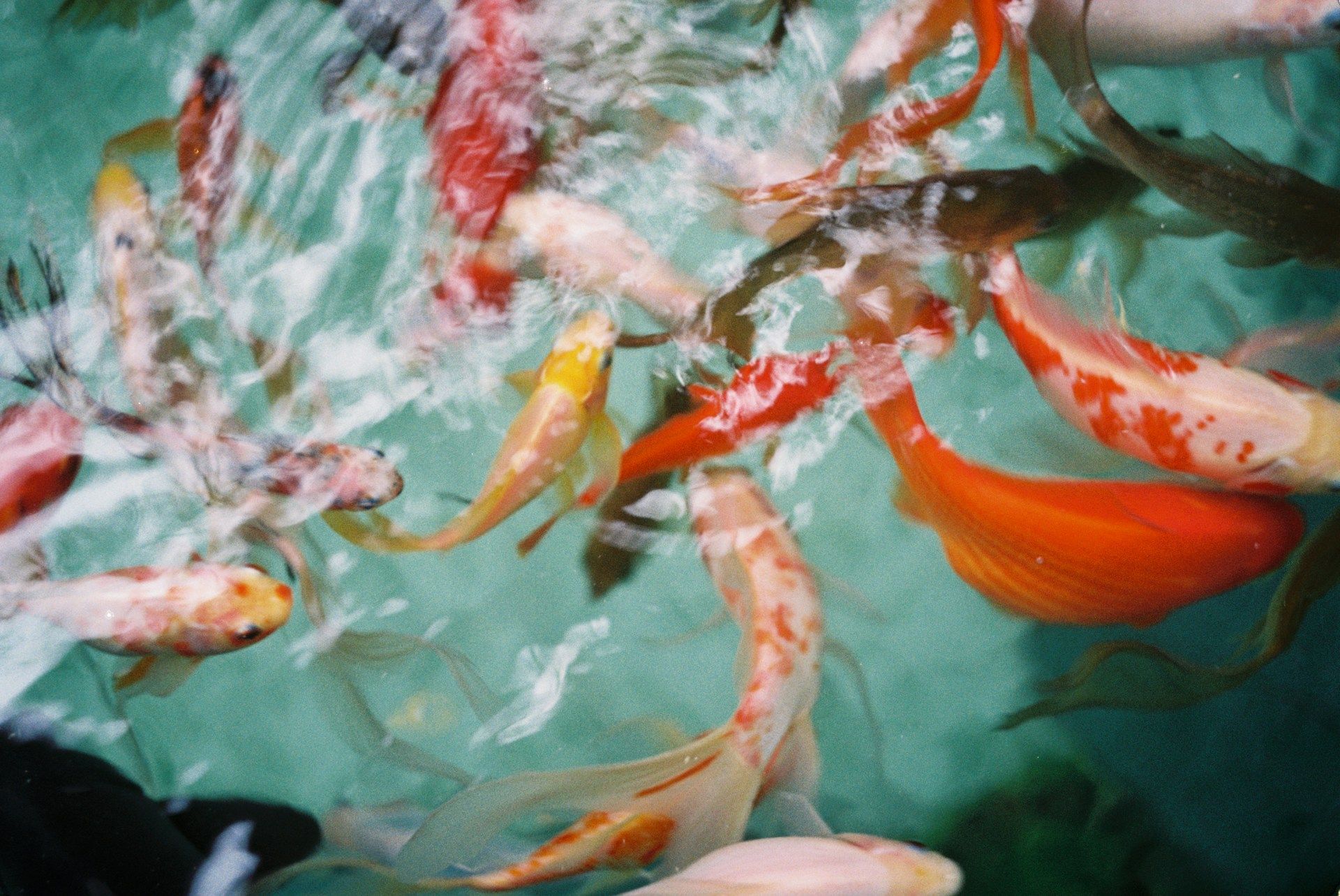
Visually, small touches go a long way. Late-day sun catching droplets, fish sliding under moving water, and low-voltage lighting tucked under a spillway can turn the feature into a quiet focal point after dark. When everything is working together, the waterfall is no longer just a pool add-on. It becomes the place where you drink your morning coffee, unwind at the end of the day, and watch kids lean in close to look for koi and tadpoles.
At PD Waterscapes, our favorite projects are the ones where a stark, manufactured waterfall is reshaped into something that feels like it has always been there. With thoughtful stone selection, edge detailing, planting, and spillway sculpting, your existing pool waterfall can become a true “designed by nature” feature that anchors your backyard sanctuary.
Transform Your Outdoor Space With a Custom Waterfall Feature
If you are ready to bring the sights and sounds of moving water into your yard, we can design and build a
waterfall that fits your space and style. At PD Waterscapes, we focus on creating features that look natural, run efficiently, and are easy to maintain. Tell us about your vision and we will walk you through options, timelines, and pricing. To schedule a consultation or ask questions, simply
contact us today.