From Pond Cleaning to Ecosystem Tuning
Pond cleaning is not about scrubbing everything until it looks like a swimming pool. When you keep koi, you are caring for a living ecosystem, not a piece of backyard decor. Some of what may look like “mess” is actually what keeps your water stable and your koi strong. The goal is balance, not bleach.
On a crisp late October afternoon in Connecticut, you might see a thin mist rising off the cool water, koi gliding under golden tree reflections, and a waterfall that softens neighborhood noise. That peaceful feeling is what we design for, and smart pond cleaning is how we keep it. At PD Waterscapes, we build koi ponds that feel designed by nature, and we treat maintenance as gentle tuning to protect both the illusion and the fish that live in it.
Why a Naturalistic Pond Never Stays “Clean”
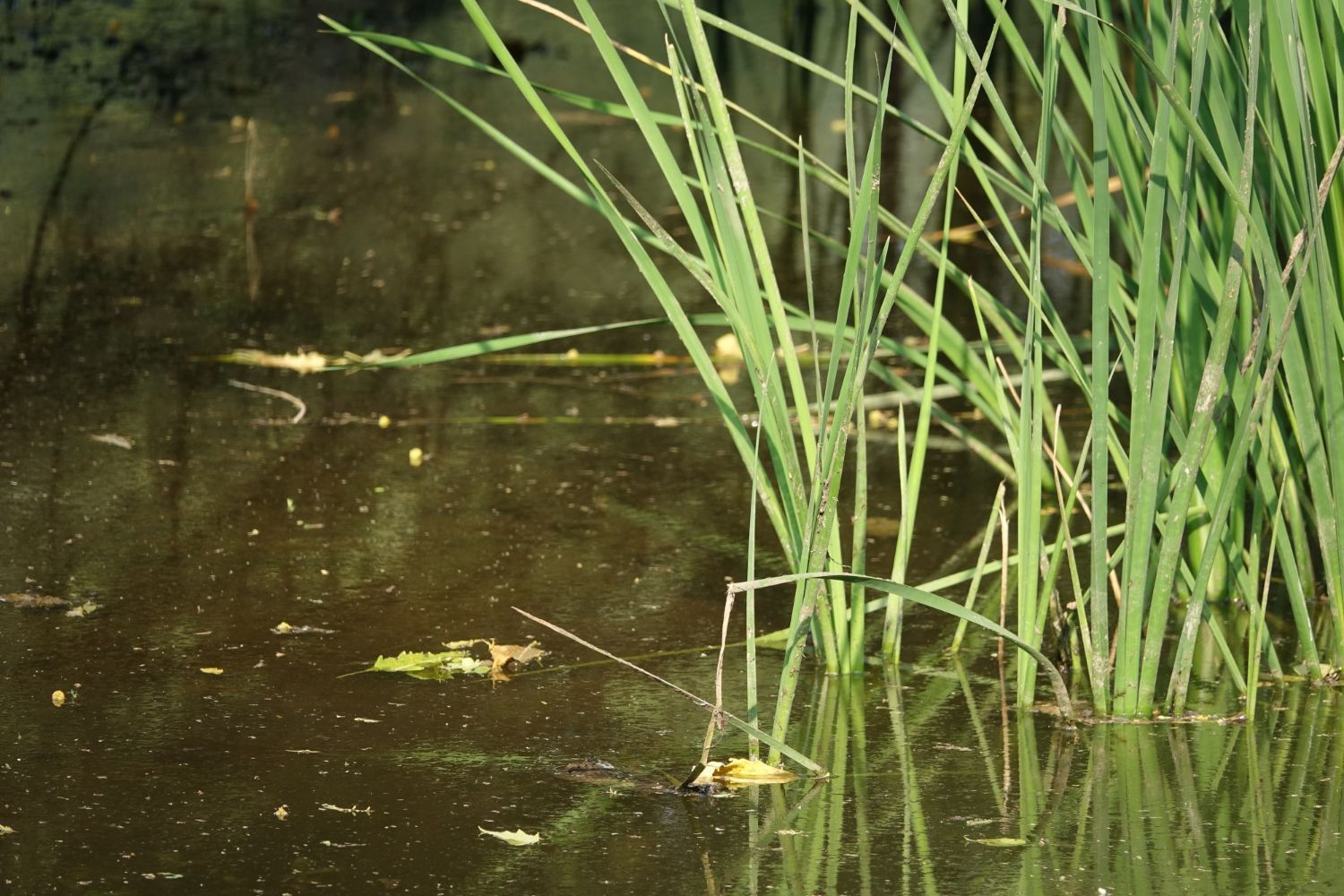
A sterile, “pool-like” pond is easy to picture: bright blue liner, no rocks, no plants, and not much life either. A healthy koi pond is the opposite. It has texture and life everywhere.
You will usually see:
- A thin biofilm on rocks that houses beneficial bacteria
- Some leaf litter tucked into plant beds
- Active biological filtration quietly working behind the scenes
In Connecticut, fall leaf drop and cooling water change what pond cleaning should look like. String algae usually slows down as light and water temperature drop. At the same time, more leaves, acorns, and small branches land in the water. If they are left to rot, they turn into sludge that stresses koi and clouds the water.
So, fall pond cleaning is about:
- Skimming and netting leaves before they sink
- Trimming plants without stripping them bare
- Protecting the good bacteria that keep water stable
We are not trying to erase every sign of life. We are tuning the system so koi, plants, and bacteria can slide smoothly into winter.
The Five Elements of a Healthy Koi Ecosystem
Every thriving koi pond depends on a few key pieces working together like a living machine.
Filtration and Circulation
Mechanical filtration, like skimmers and pre-filters, catches leaves, uneaten food, and surface debris. Biological filtration, like biofalls and filter media, gives bacteria a place to live so they can process fish waste and extra nutrients. With the right flow rate and turnover, pond water runs through these stages many times a day, staying clear and well oxygenated.
Rocks and Gravel
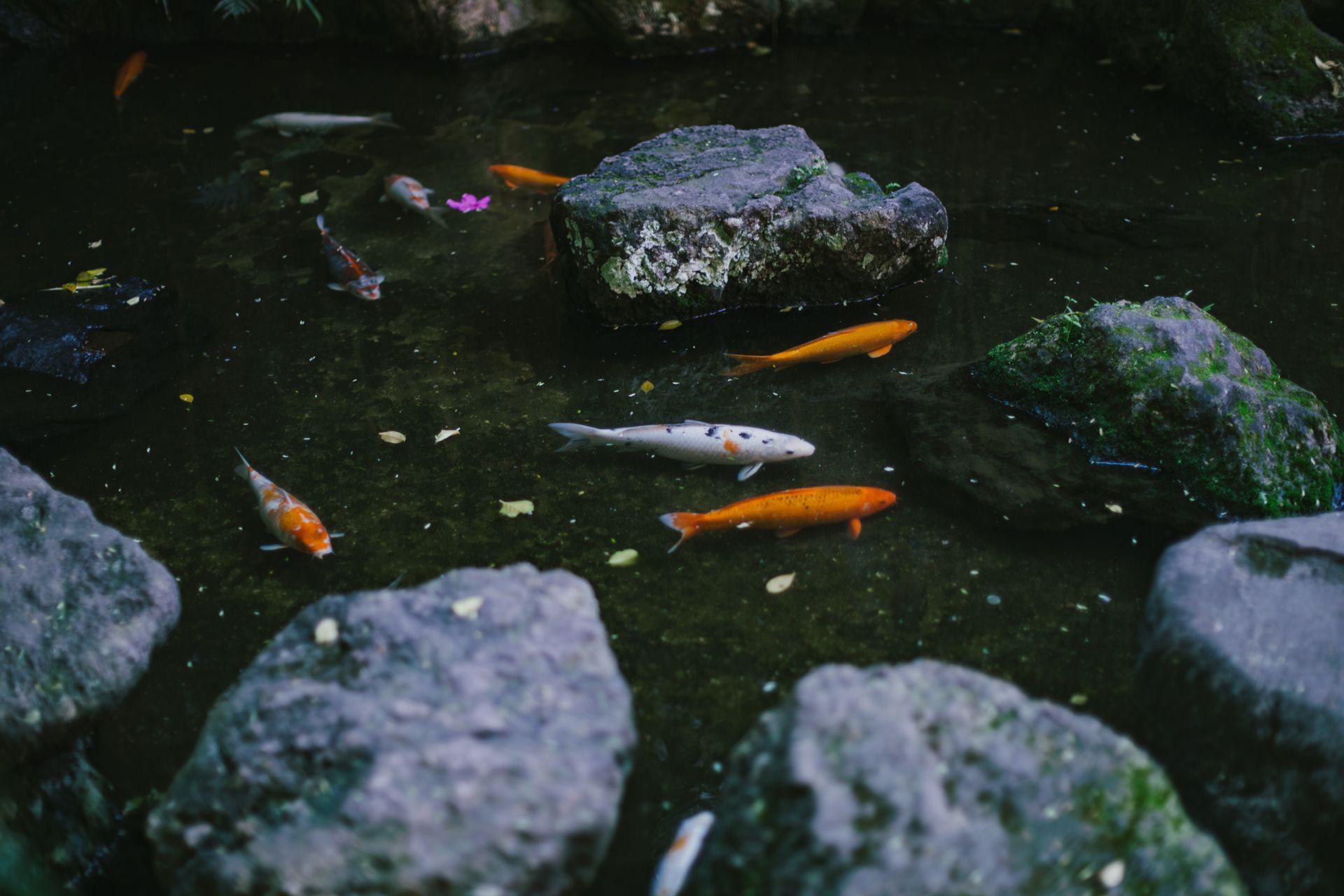
Stone is more than a pretty frame. Larger boulders shape the shoreline and give koi places to explore and feel secure. A thin layer of gravel on the bottom protects the liner, breaks up flat surfaces, and creates huge amounts of area for bacteria to live. With careful stone placement, a new pond can look like it has been there for decades.
Plants, Fish, and Bacteria
These three hold the ecosystem together.
- Aquatic plants absorb nutrients that would otherwise feed algae
- Koi stir the water column as they cruise, which helps gas exchange
- Beneficial bacteria convert harmful ammonia and nitrite into less harmful nitrate
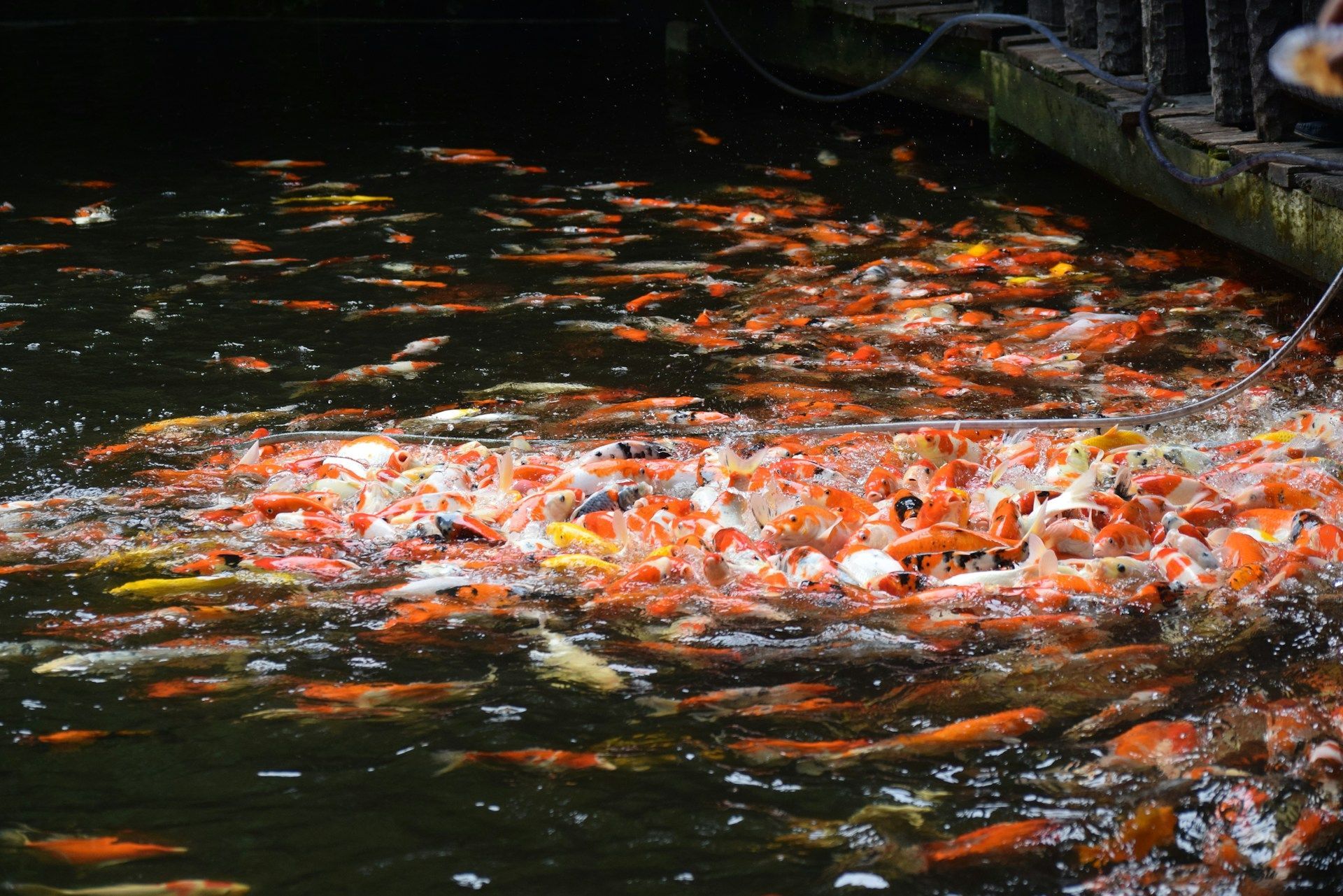
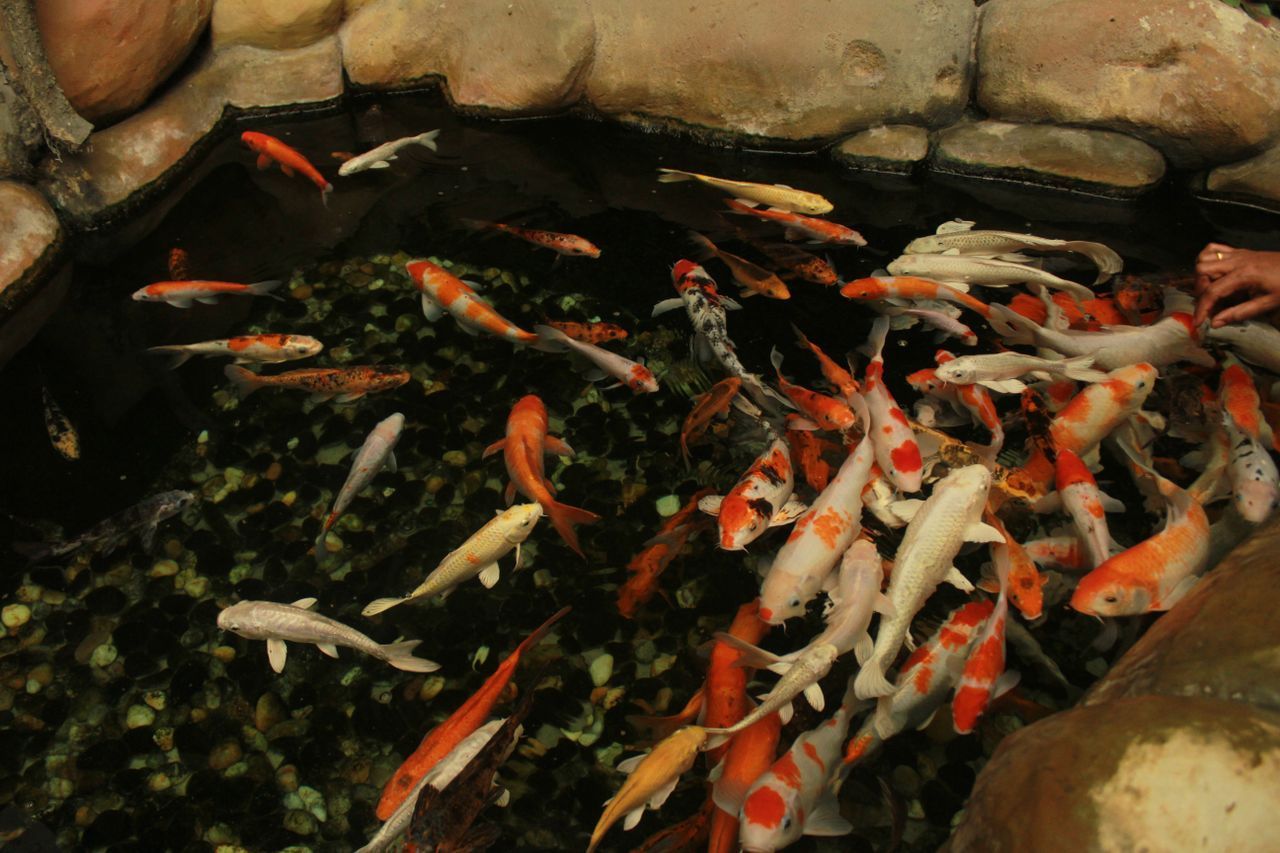
We watch koi behavior closely. When water is off, koi often slow down, clamp their fins, or hang near a waterfall for extra oxygen. When the system is tuned, they move smoothly, eat with confidence, and show clear, bright color.
The “Always Belonged” Aesthetic in Fall
A pond that feels like it has always belonged on the property does not fight the land around it. It blends into it. We choose native or regionally appropriate stone, then tuck boulders into the existing grade so they look like they have been revealed, not dropped in. Edges tie into patios, slopes, and planting beds so the pond feels anchored to the Connecticut landscape.
Fall is a chance to lean into that natural look. Plant choices matter here:
- Marginal plants with seed heads that sway in the wind
- Grasses that catch the low-angle afternoon light
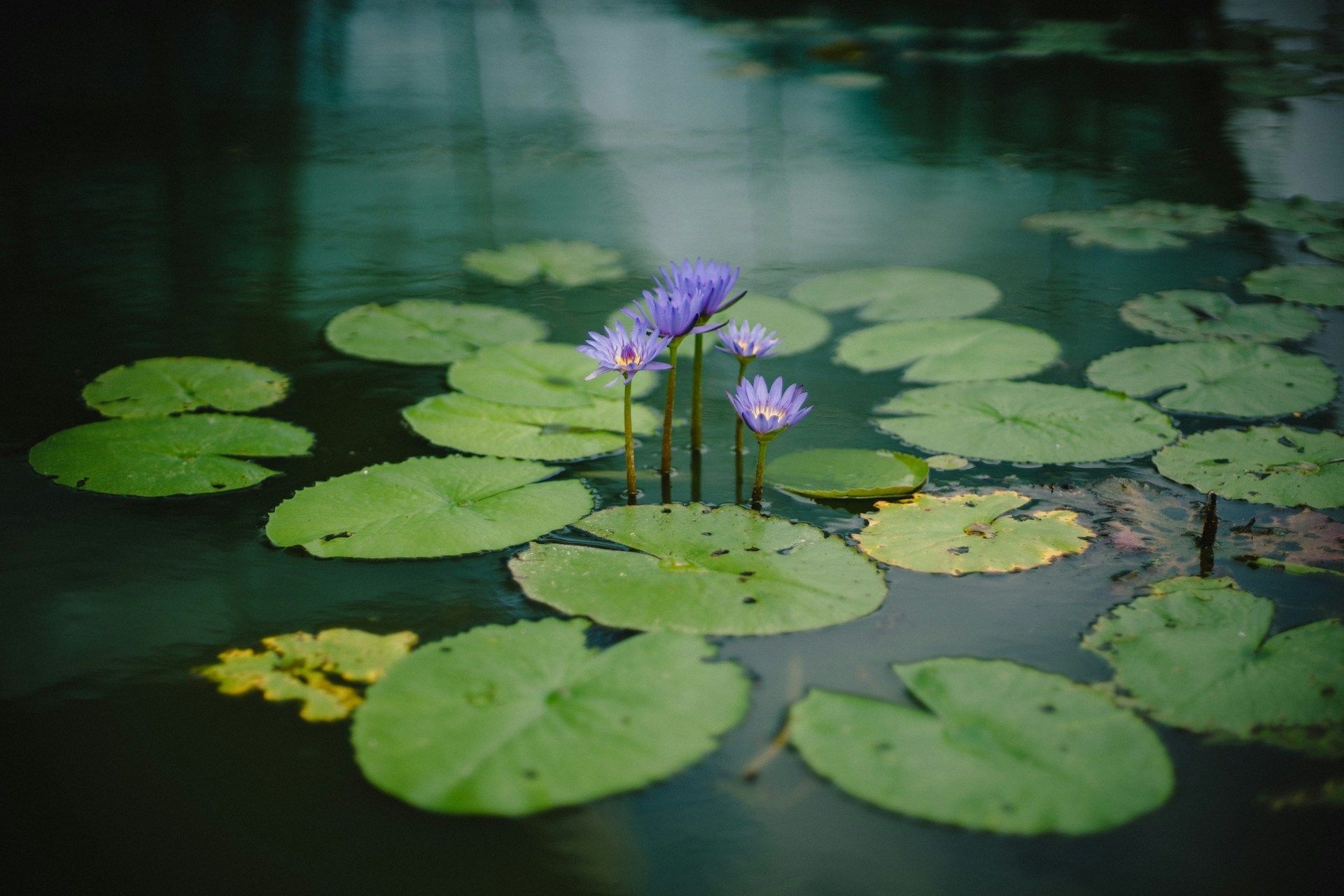
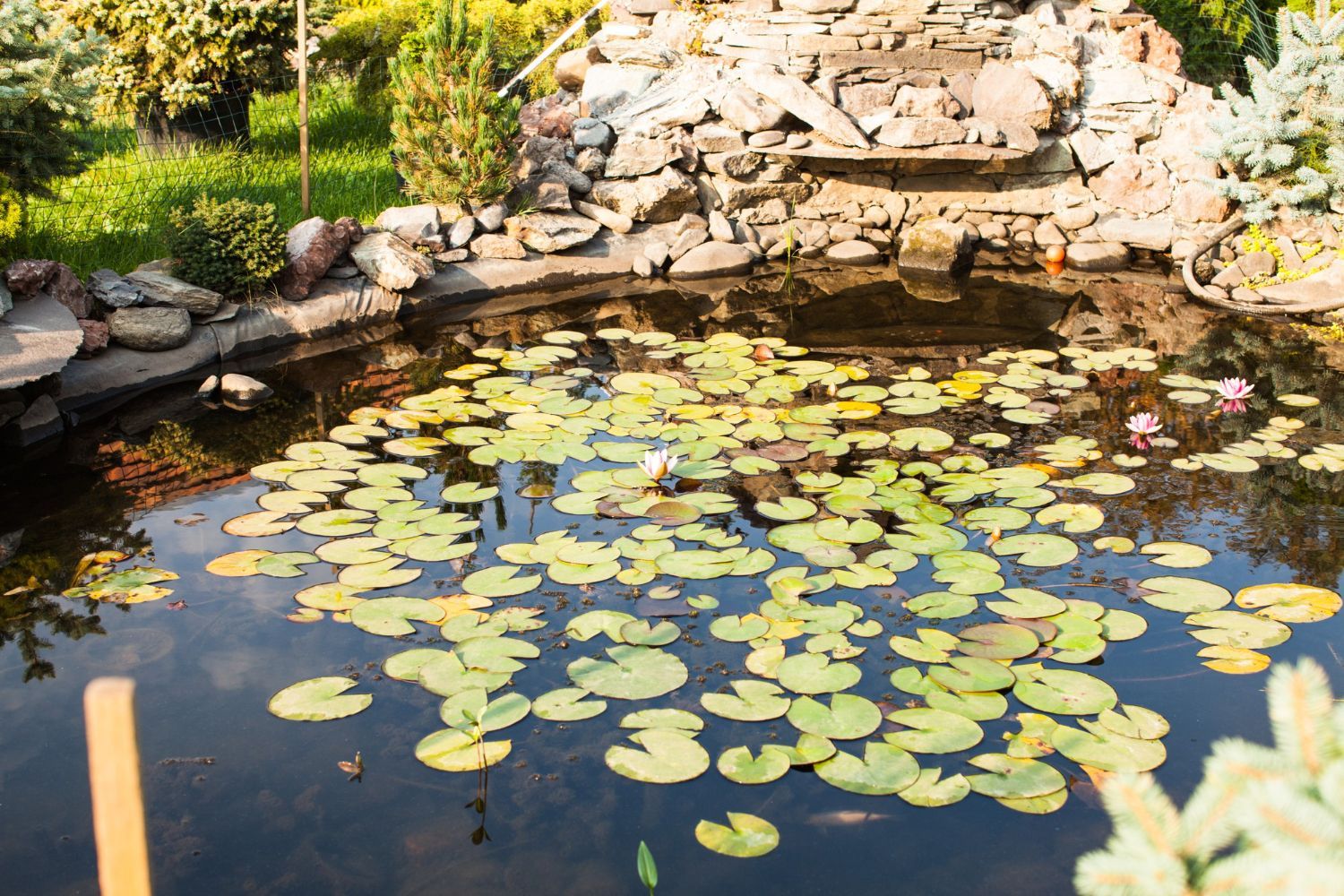
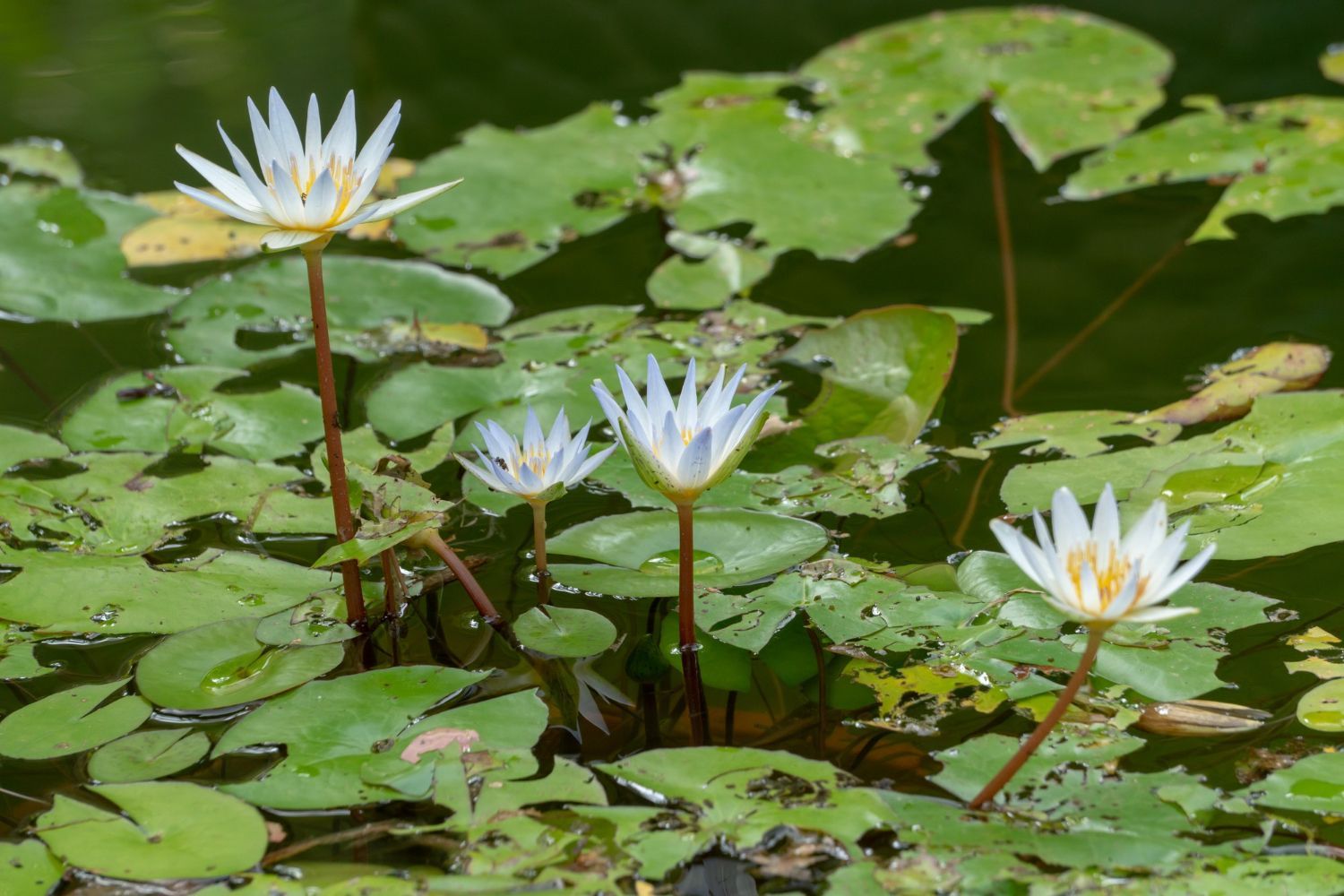
- Hardy lilies that shift from green to bronze at the surface
Thoughtful pond cleaning supports this style. We prune, but not to the nub. We clear heavy leaf buildup, but we do not strip every last leaf from the shoreline. We maintain skimmers so they keep working, which stops water from turning murky and keeps the pond from looking artificial or ignored.
Fall Pond Cleaning That Protects Koi Health
When we clean a koi pond in fall, we treat it more like tuning a musical instrument than like pressure washing a patio.
Gentle Debris Removal
Leaves and sludge are the main targets. Netting or vacuuming is done with slow movements and in cool, stable water temperatures so koi are less stressed. The idea is to pull out decaying material, not churn up the entire bottom or chase fish in circles.
Water Quality Tuning
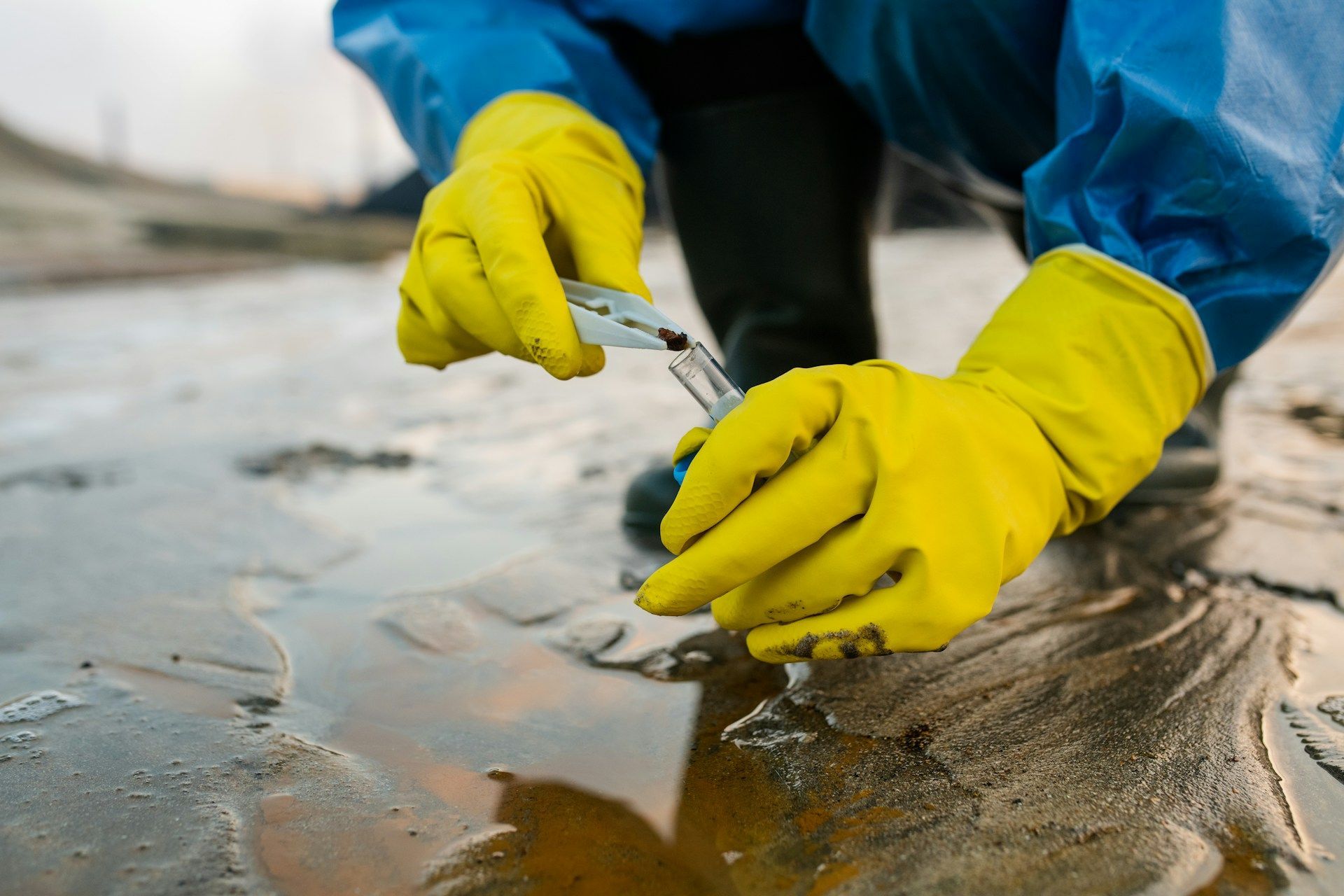
Instead of draining everything, we focus on partial water changes. Fresh water is always dechlorinated, and we check key parameters like:
We never blast rockwork or filters with a power washer. That would strip away the bacteria that keep everything balanced. Filter media is rinsed gently in pond water, not tap water, so the bacterial colonies stay intact.
Preparing for Winter
As water dips toward the low 50s °F, koi metabolism slows. High-protein food is reduced and then stopped so waste does not build up in cold water. We confirm that:
- Aeration is strong enough to keep oxygen levels up
- Any de-icers or heaters are ready
- There is at least one area 3 to 4 feet deep for koi to rest safely under ice
This preparation lowers stress and helps koi come through winter strong.
Caring for Koi as Living Investments
Koi are living investments that can grow and change for many years. The way we care for the pond is really about respecting those fish.
Nutrition and Feeding Habits
We suggest high-quality koi food suited to the season. In warm water, koi can handle higher protein. As October water cools, we slow feeding and switch to easier-to-digest formulas, then pause feeding near winter. Appetite and behavior give early warning of problems long before test kits do.
Stress and Disease Prevention
Stable water, plenty of oxygen, and gentle handling make koi far less likely to struggle with parasites and infections. Most problems show up after sudden swings: big temperature drops, harsh chemical use, or aggressive cleaning that wipes out bacteria.
Long-Term Stewardship
Regular visual checks help catch small issues while they are easy to fix. New fish should go through a simple quarantine before joining the main pond so they do not bring in unwanted guests. When the pond needs expansion, we plan around future koi size, so there is enough depth and swimming room for them to show their full color and patterns.
Tuning Your Pond Into a Year-Round Sanctuary
When we think of pond cleaning as ecosystem tuning, everything shifts. The goal is not spotless rock; it is healthy koi, clear water, and a backyard sanctuary that looks like it was shaped by nature. A simple seasonal checklist makes care feel lighter: spring startup, summer fine-tuning, fall pond cleaning, and quiet winter monitoring.
At PD Waterscapes, we design, install, and maintain koi ponds as living ecosystems, tailored to each Connecticut property. With thoughtful stone placement, balanced filtration, and gentle seasonal tuning, your pond can feel like it has always belonged in your yard, and your koi can thrive in it for many years.
Get Started With Your Project Today
If your pond is looking a little tired or cloudy, we are ready to help restore it to clear, healthy beauty. Learn more about our professional
pond cleaning services and how we can tailor a maintenance plan to your water feature. At PD Waterscapes, we focus on long-term care so you can enjoy your pond without the hassle. Have questions or want to schedule a visit? Just
contact us and we will walk you through the next steps.