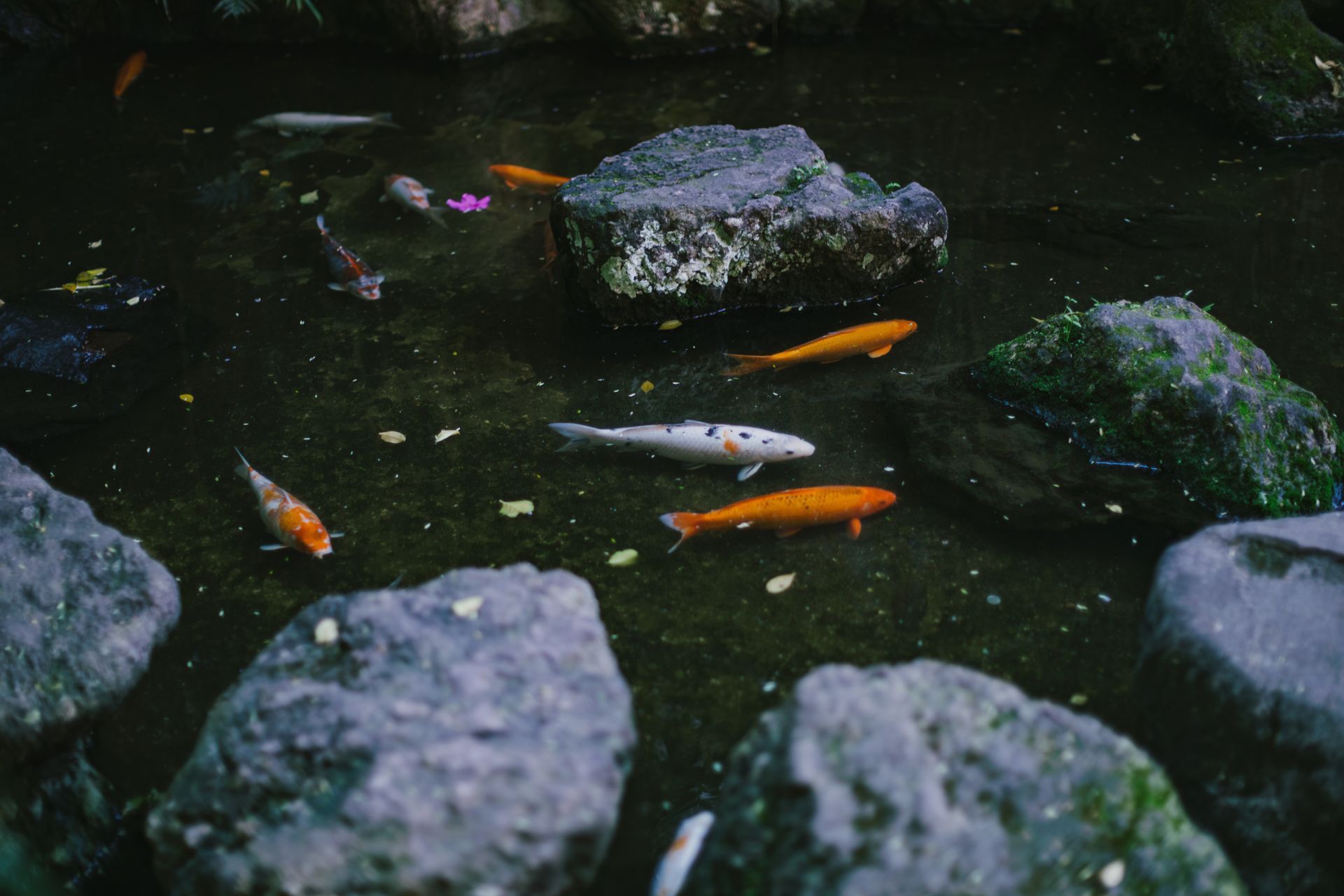
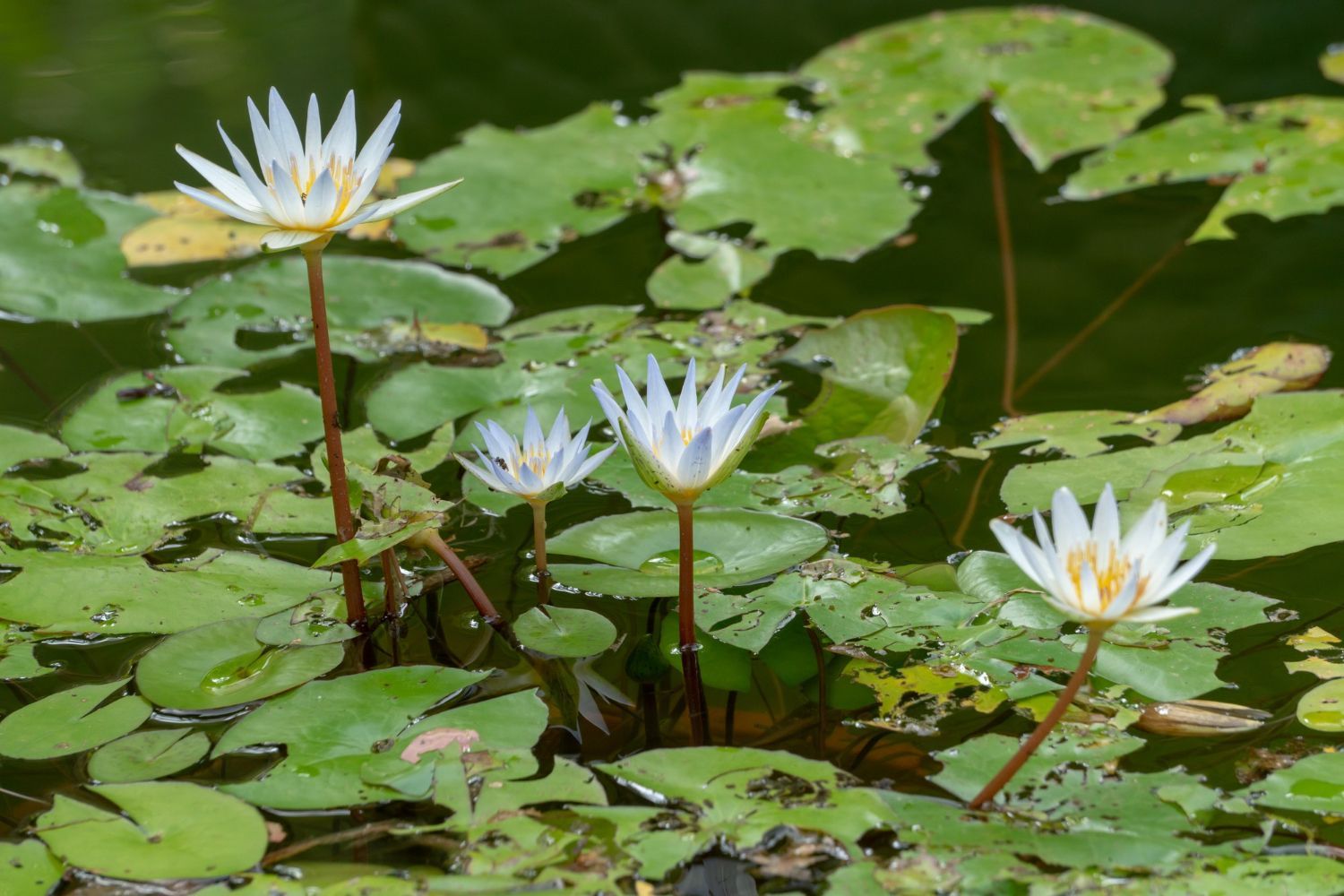
Read Your Pond Like a Pro by Watching the Algae
Algae is usually the first thing pond owners complain about, but it is also one of the best tools we have for reading the health of a koi pond. Different types of algae show up when nutrients, circulation, or filtration are out of balance, and they tell a very clear story if you know what to look for.
Many West Hartford homeowners keep fighting the same green water week after week, scooping, scrubbing, and dumping in quick fixes. The problem is not just the algae. The problem is what the algae is trying to say about the system underneath. When we design or tune a pond to feel like it was designed by nature, we treat algae like a symptom, not the enemy.
By the end of this article, you will be able to look at your pond, identify the type of algae you see, understand what it says about nutrients and filtration, and choose algae control steps that support a thriving, low-stress backyard sanctuary.
Green Water Blooms and What They Reveal
Green water looks like pea soup. You can barely see your koi, and the rocks on the bottom vanish into a green cloud. This kind of algae is free-floating in the water instead of stuck to rocks, and it often shows up as sunlight and water temperatures rise.
Green water almost always points to extra dissolved nutrients in the pond, especially:
- Fish waste
- Uneaten fish food
- Decaying leaves and plant material
- Weak or undersized biological filtration
Those nutrients mix with strong sun and warm water, and the result is a bloom of tiny algae cells that multiply so fast the water turns opaque. If the pond’s bacteria and plants cannot keep up, the algae will.
In an ecosystem pond, biological filtration is the quiet worker in the background. When filters are too small, when there are not enough beneficial bacteria, or when the pond does not have many plants pulling nutrients from the water, the system leans toward algae instead of clear water.
Sustainable algae control for green water focuses on that balance, not just on killing algae:
- Increase biological filtration by upgrading the filter or adding a waterfall filter
- Add a skimmer so the surface stays clean and debris exits the system
- Gradually add more aquatic plants to compete for nutrients
- Cut back fish feeding, especially during hot spells
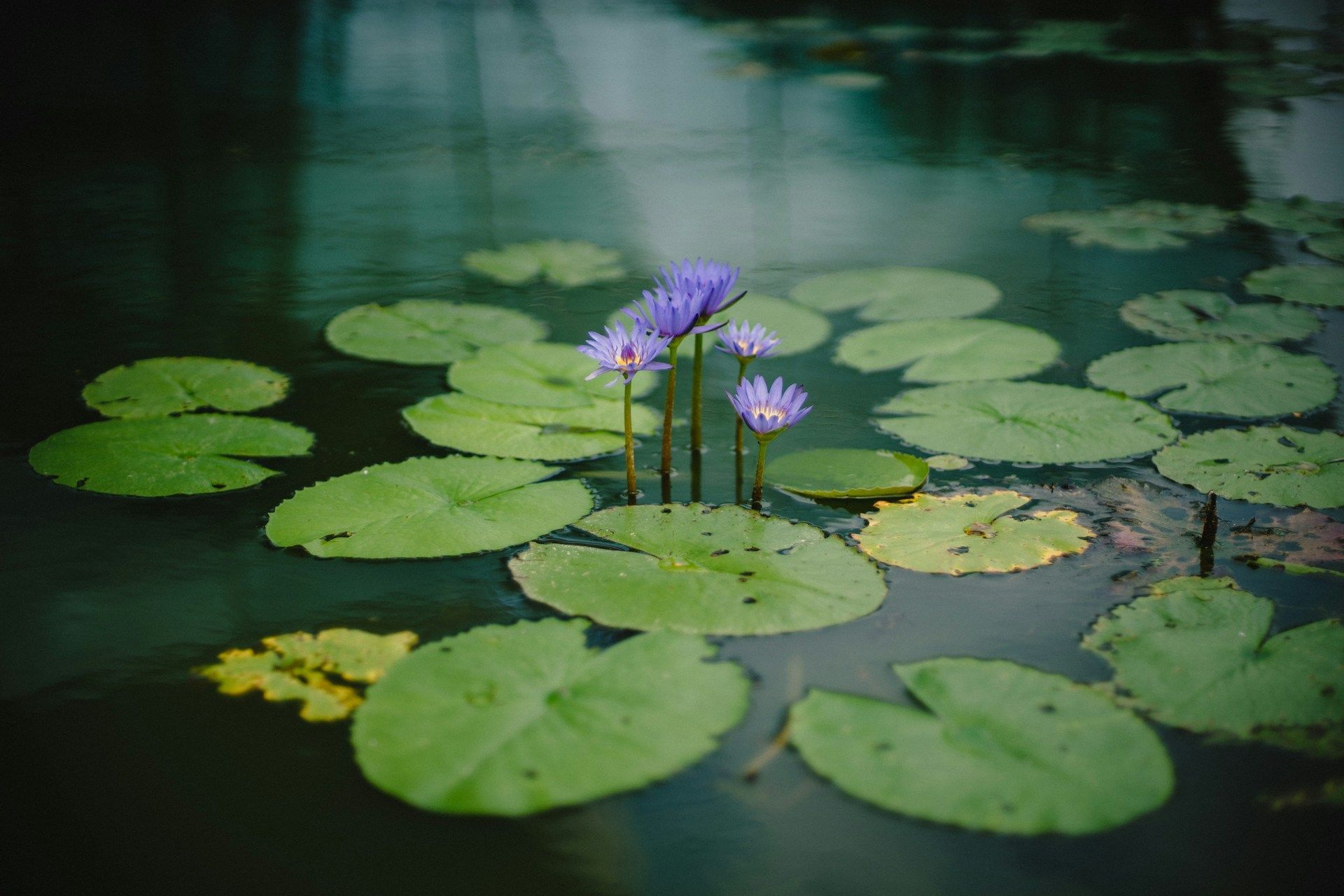
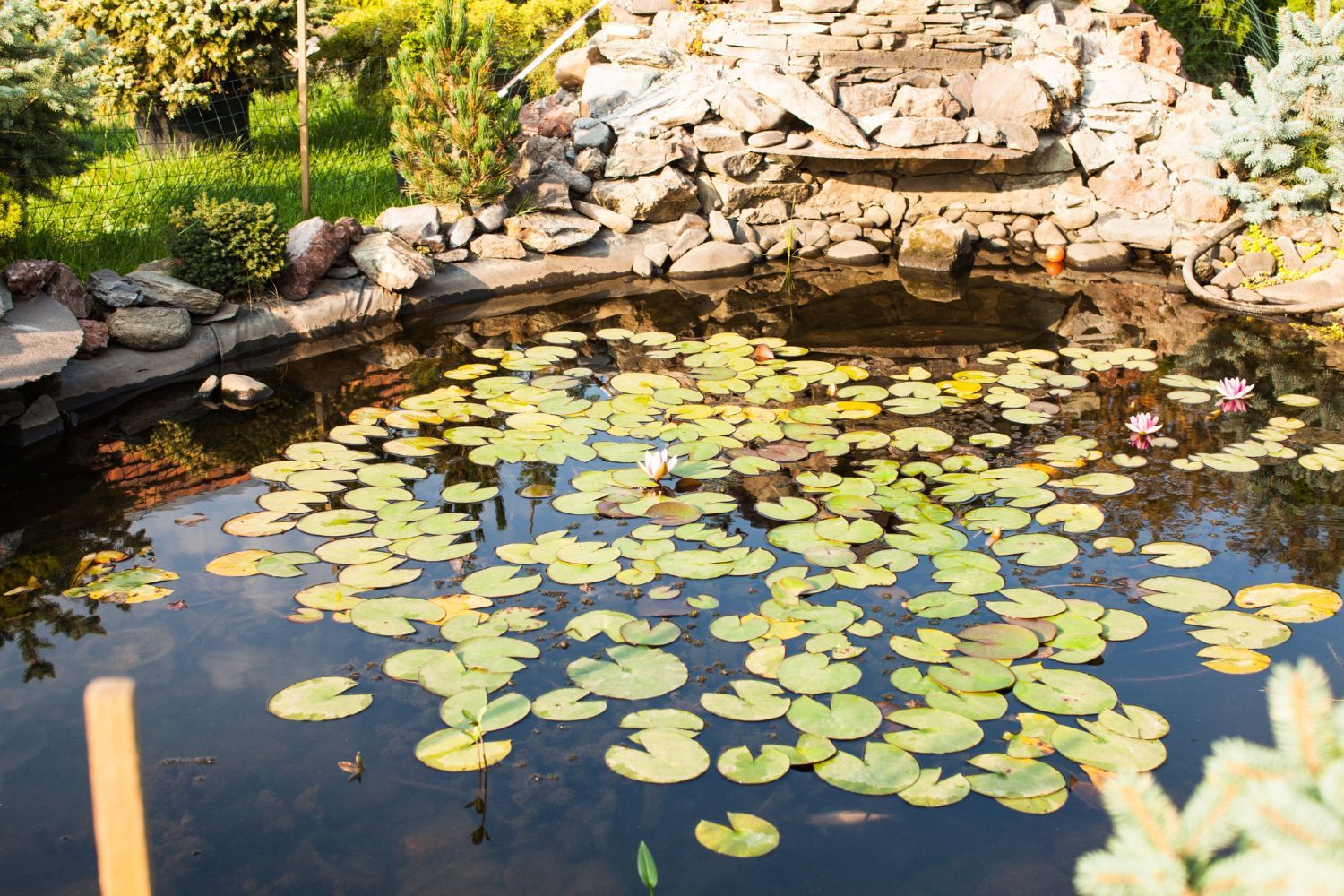
- Shade some areas with lilies or taller marginal plants
In a well-balanced pond, there is still some algae. That is normal and healthy. The difference is that you can see your koi gliding over rocks and gravel, instead of losing them in a solid green haze.
String Algae, Hair Algae, and Slime on Rocks
String algae looks like long, thin hair or bright green spaghetti clinging to rocks, especially around waterfalls, streambeds, and shallow ledges. When there is just a light coating, it can feel natural, almost like moss. When it takes over, it hangs in thick ropes and catches every leaf that drifts by.
In our climate, string algae often surges in early spring. The water warms up and wakes the pond, but the beneficial bacteria in the filter and on the rocks are still building back up. Nutrients from fish waste and old debris are sitting there in the water, but the biological filtration has not fully caught up yet, so the algae grabs the opportunity.
String algae also tells us something about the way the pond is built and how it runs:
- Strong sun on shallow rock shelves
- Not enough plants shading the water or using nutrients
- Corners or shelves with slow water movement
- A young pond or a filter that was recently cleaned too aggressively
To manage string algae in a natural way, we focus on helping the ecosystem grow stronger:
- Gently pull out heavy mats by hand, so you do not strip every surface bare
- Add shade with plants around the edges and on the surface
- Improve circulation so water moves across all rock and gravel areas
- Add or support beneficial bacteria so they colonize the rocks as living filtration
We actually like a soft green film on the stone. That light patina is what makes a new pond look like it has always belonged in the yard. It softens hard edges, supports bacteria, and makes the whole feature feel like a natural stream.
Algae Mats, Surface Scum, and Dead Zones
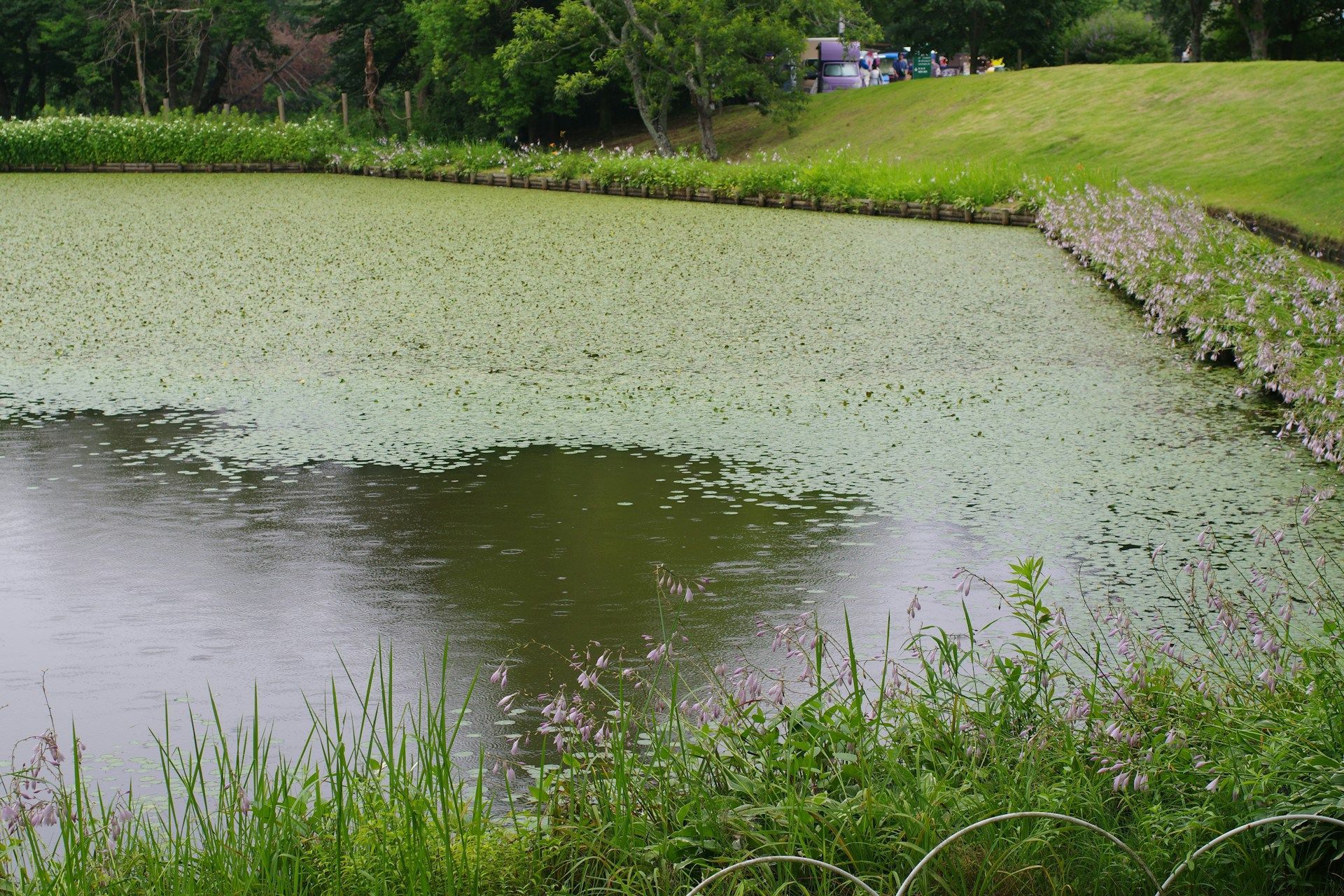
Thick mats of algae or surface scum that always collect in the same corner tell a different story. In hot, still weather, you may see a foam-like film, floating clumps, or oily slicks gathered where the breeze and current push everything.
That usually means two things at once: extra nutrients and poor circulation. When water barely moves in a spot, it becomes a dead zone. Leaves and fish waste settle there, slowly break down, and release nutrients back into the water. Since nothing is carrying those nutrients toward the filter, algae blooms right where circulation is weakest.
These dead zones can also have lower dissolved oxygen. That is bad news for koi and for the bacteria that keep water quality stable. Stressed fish and tired bacteria give algae even more of an advantage.
To use those algae mats as a guide, we look at how water moves through the entire pond, then make changes like:
- Repositioning or adding return jets to push water into quiet corners
- Extending a stream or adding a small waterfall for both circulation and aeration
- Making sure skimmers pull evenly from the pond surface
- Doing targeted cleanouts so debris does not build up in hard-to-reach pockets
A good waterfall is more than pretty. It brings oxygen into the water, keeps it moving, and helps keep the surface clean enough to reflect the sky, surrounding plants, and koi.
When Algae Signals Trouble for Koi Health
Algae is also a warning system for fish health. Rapid changes in algae growth can mean the pond is about to swing in a way that is stressful or even dangerous for koi.
Watch for things like:
- A sudden bloom after very heavy feeding
- A fast die-off after a chemical treatment
- Algae that seems to vanish overnight
When large amounts of algae grow or die at once, they can affect oxygen levels. At night or during decay, algae and bacteria use oxygen, and koi have to compete. Thick algae mats and green water also block your view, so you may not notice injuries, flashing, clamped fins, or other signs of stress.
Strong koi care and algae control are really the same task. Problems usually start when:
- There are more koi than the pond was designed to support
- Fish are fed like it is summer even in cooler shoulder seasons
- Filters and skimmers do not get regular, gentle cleaning
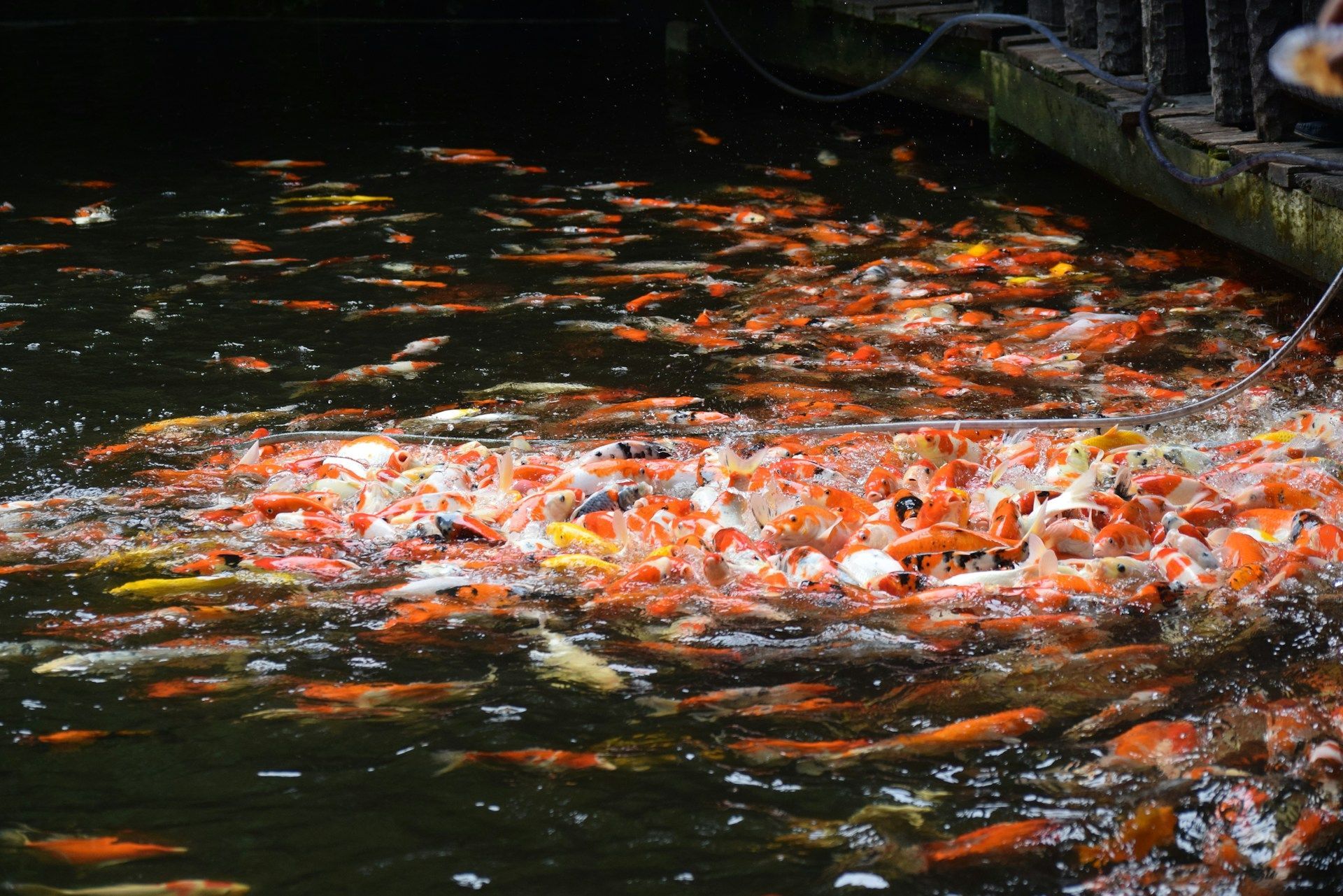
When the fish load, feeding, and filtration are in line, water quality is steadier, oxygen stays higher, and your koi can show richer color and calmer behavior in clear, reflective water.
Turning Algae Clues Into a Pond That Feels Designed by Nature
Every kind of algae is sending a message about nutrients, circulation, and filtration. When we listen and adjust the system, we move closer to a self-sustaining backyard sanctuary that feels designed by nature, not by a pump catalog.
The five elements of a healthy koi pond all work together: filtration, rocks and gravel, plants, fish, and bacteria. Algae grows where one of those elements is out of step with the others. So we encourage homeowners to watch their pond like a living ecosystem:
- Where does algae grow the most?
- How does it change with the seasons?
- What happens when you reduce feeding, add plants, or change the waterfall flow?
The goal is not a sterile, algae-free bowl. The goal is a pond that looks like it has always been there: rocks softened by a light green patina, plants swaying at the edges, koi easy to see in clear water, and the sound of water masking neighborhood noise. Biological filtration hums quietly in the background, turning what used to be “pond scum” into useful clues for a thriving, sustainable waterscape.
At PD Waterscapes, we design, build, and care for koi ponds and natural water features around West Hartford with that “always belonged” feeling in mind, so algae becomes a teacher instead of a constant fight.
Get Started With Your Project Today
If algae are clouding your water feature, we can help restore clarity and balance with targeted
algae control solutions tailored to your pond or lake. At PD Waterscapes, we focus on long-term water health so you can enjoy a cleaner, more attractive landscape. Reach out to our team with your questions or to schedule service by
contacting us today.