Creating Edges That Look Designed by Nature
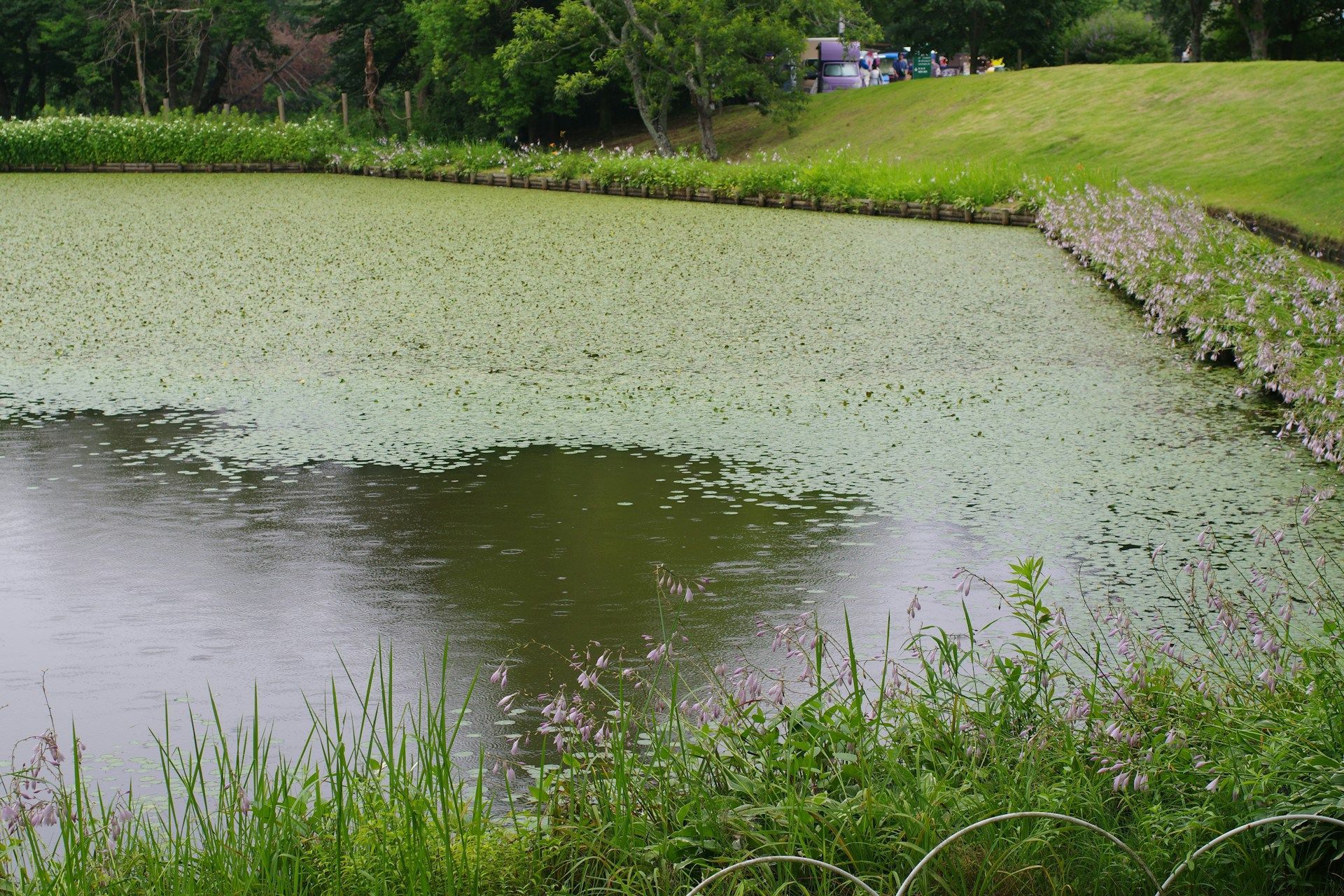
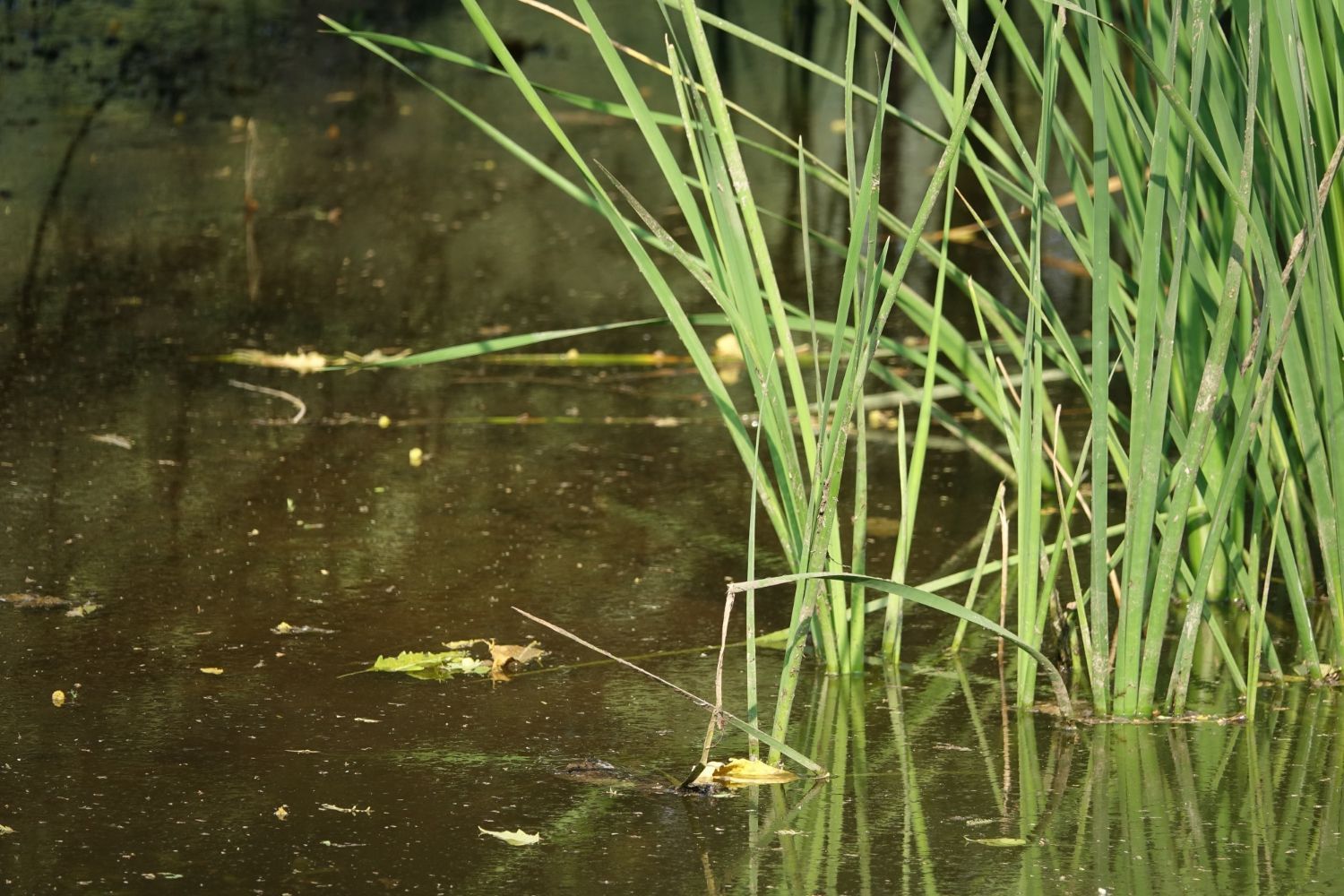
A pond can either look like it was dropped on top of the yard or like it has always belonged there. The difference lives in the edges, the stones, and the way aquatic plants knit everything together. When the shoreline feels soft and layered, the water feature looks like it grew in place over time instead of being built last weekend.
At PD Waterscapes, we think of a plant-first ecosystem pond. That means aquatic plants are not just decoration; they are the structure of a natural shoreline and a big part of the life support system for koi. In this guide, we will walk through how to shape shelves and margins, how to layer plants in each zone, and how that design supports clear water, healthy fish, and a backyard sanctuary of sound and reflection.
The Five Elements of a Thriving Ecosystem Pond
Every long-lasting koi pond rests on five connected elements. When they work together, the pond almost takes care of itself.
Filtration and biological filtration
Mechanical filtration grabs leaves and bigger debris so they do not rot in the water. Biological filtration is quieter work. Beneficial bacteria grow on filter media, rocks, and gravel. They turn toxic fish waste into safer forms that plants can use as food.
Plant roots and gravel beds act like living filters. Instead of counting on equipment alone, you are finishing nature’s own loop.
Rocks, gravel, and “always belonged” structure
Stone is not just for looks. The right mix of
- Big anchor boulders
- Medium cobbles
- Small river rock and gravel
locks shelves in place, shields the liner, and creates tiny pockets where bacteria, snails, and invertebrates live. When some rocks are buried, some lean, and sizes vary, the pond starts to feel like the rocky streams we see here in Connecticut. That is where the “always belonged” look begins.
Plants, fish, and bacteria working together
In a healthy ecosystem pond:
- Koi and other fish produce nutrients
- Bacteria break those nutrients down
- Aquatic plants pull them from the water
When all five elements are balanced, water clears on its own, algae is kept in check, and maintenance drops. The pond feels bigger and safer for koi, because they have depth, cover, and stable water quality.
Reading the Shoreline and Layering Aquatic Plants
To design a plant-led pond, we start by reading the shoreline like nature would.
Understanding pond zones
Common depth zones include:
- Wetland edge: 0 to 2 inches, where soil stays damp
- Shallow planting shelf: 3 to 8 inches
- Marginal shelf: 8 to 14 inches
- Deeper ledges: 18 to 30 inches and deeper for koi
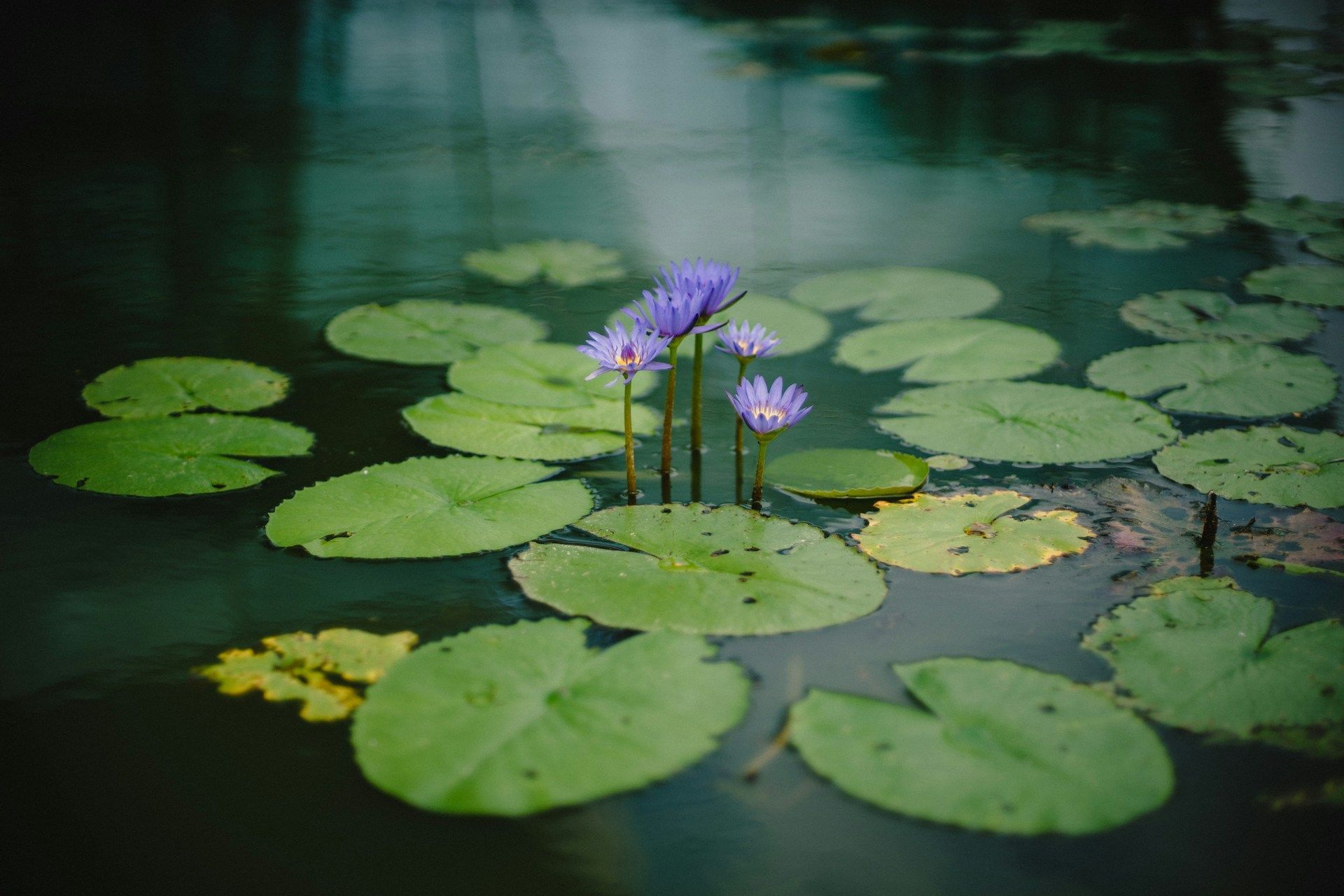
Each zone supports different aquatic plants. Moisture-loving perennials live right at the edge. True marginals like their feet wet on the shelves. Deeper water holds lilies and submerged oxygenators that soften the open water and help with oxygen.
Stone placement that feels rooted in place
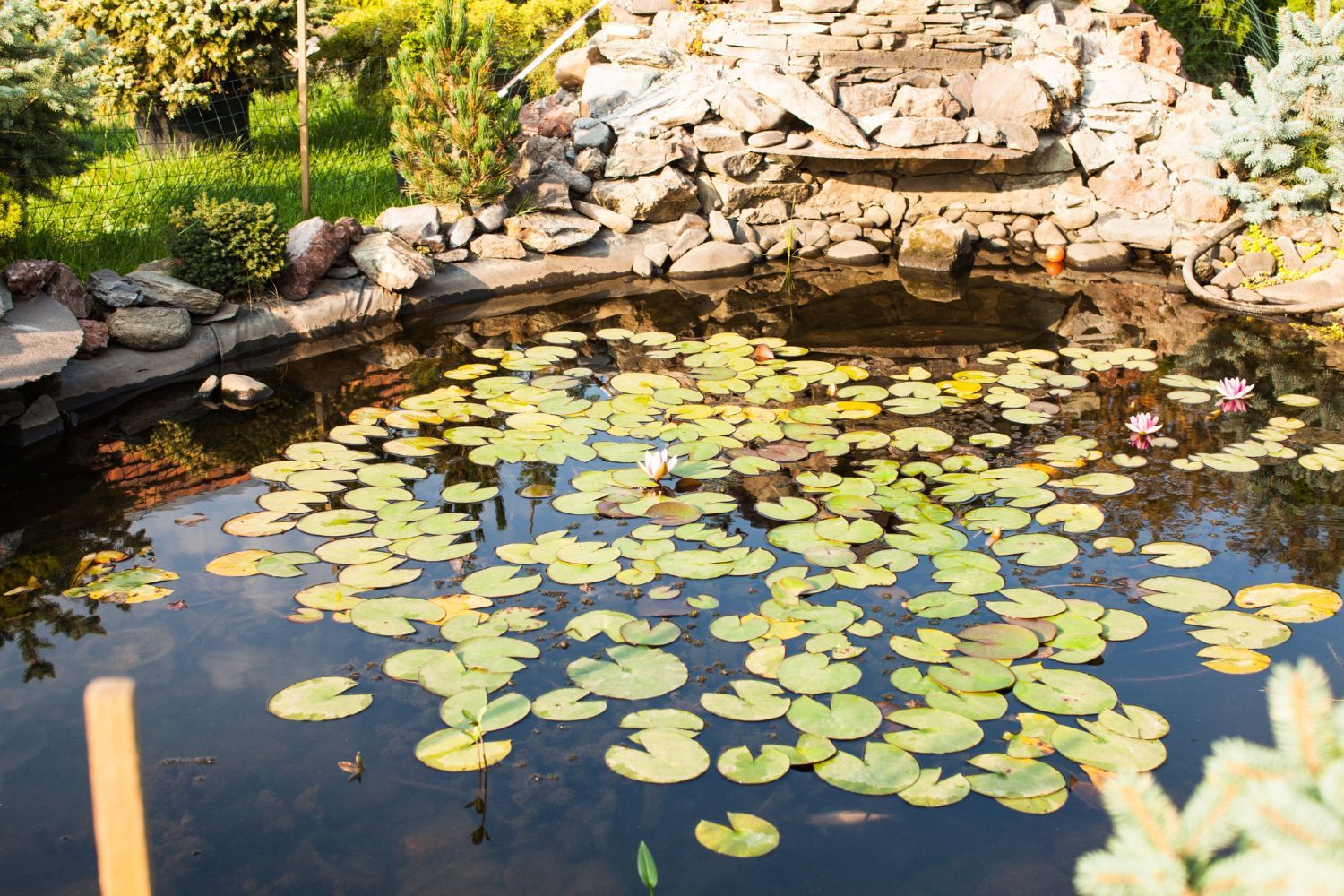
We place the largest boulders first as anchors. Then we tuck medium and small stones around them, as if spring thaws and old floods set them there. A key trick is to slide some stones slightly under the waterline so the edge disappears. When plants spill over these stones, the line between land and pond blurs, and reflections feel deeper and more natural.
Creating natural transitions
A pond should not end in a hard ring. It should fade into the rest of the yard. We like to:
- Blend lawn into broad, planted margins instead of a sharp cut
- Echo local stream banks with native or well-adapted plants
- Think about how midsummer growth will drape over stones
- Plan for fall color and seed heads to carry interest into cooler weather
This slow, soft transition makes the pond feel like the lowest, wettest spot the land chose for itself.
Plant-First Design and Seasonal Succession
Plant-first design versus plant-last decoration
When shelves are carved with specific plants in mind, everything changes. Instead of squeezing pots along a straight ledge later, we shape pockets, curves, and coves so aquatic plants can root, spread, and hide structure. The result:
- Less exposed liner
- Fewer harsh edges
- Stronger natural filtration and less algae
The water feature does not look planted, it looks designed by nature.
Layering by height, texture, and season
We like to think in layers:
- Low creepers between rocks at the water line
- Medium-height marginals on shelves for a soft, full edge
- Taller accents and shrubs farther back to frame the view
Mixing leaf shapes matters too. Strappy leaves, broad pads, and ferny textures play off each other. By staggering bloom times and growth habits, something is always emerging from early spring through fall, with August often showing the lush peak.
Using aquatic plants as living camouflage
Plants are also our best disguise. Well-placed marginals can hide skimmers, intake bays, and liners so equipment simply disappears. Choosing native and regionally appropriate aquatic plants around West Hartford supports pollinators, birds, and a tougher, lower-input ecosystem that matches our New England climate.
Seasonal succession in New England
Across the year, plants trade the lead role:
- Spring:
Cool-tolerant plants wake up early, grab nutrients before algae can, and partner with bacteria as water hits the 50s Fahrenheit
- Summer:
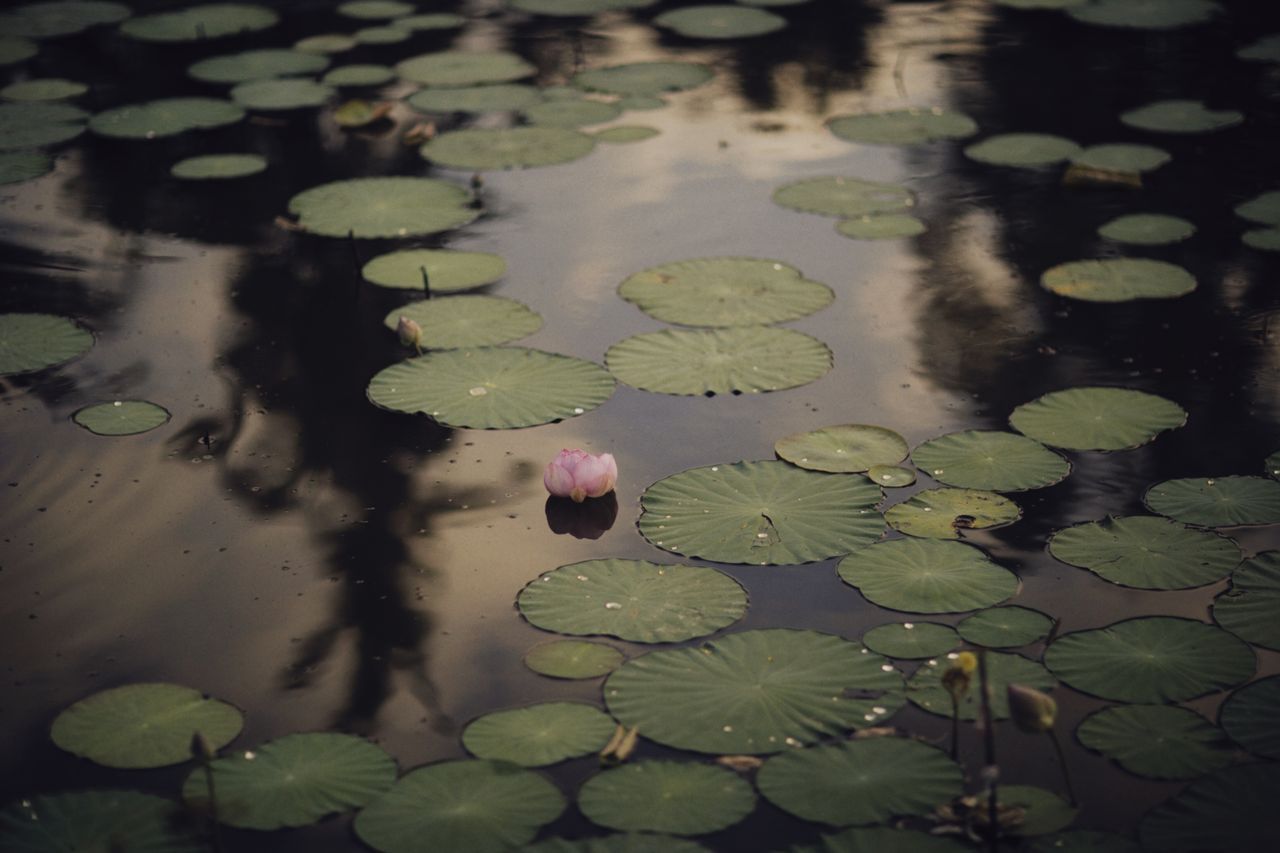
By high summer, foliage and pads should cover roughly half the surface to give koi shade and help steady water temperature
- Late summer and fall: Seed heads, flowers, and fading colors add beauty while still filtering. Some plants are trimmed before the ice for koi health; others stand through winter for habitat and winter interest
Thinking in succession keeps the pond stable and interesting long past the first burst of green.
Koi Health Inside a Plant-Led Pond
Depth, shade, and safe retreats
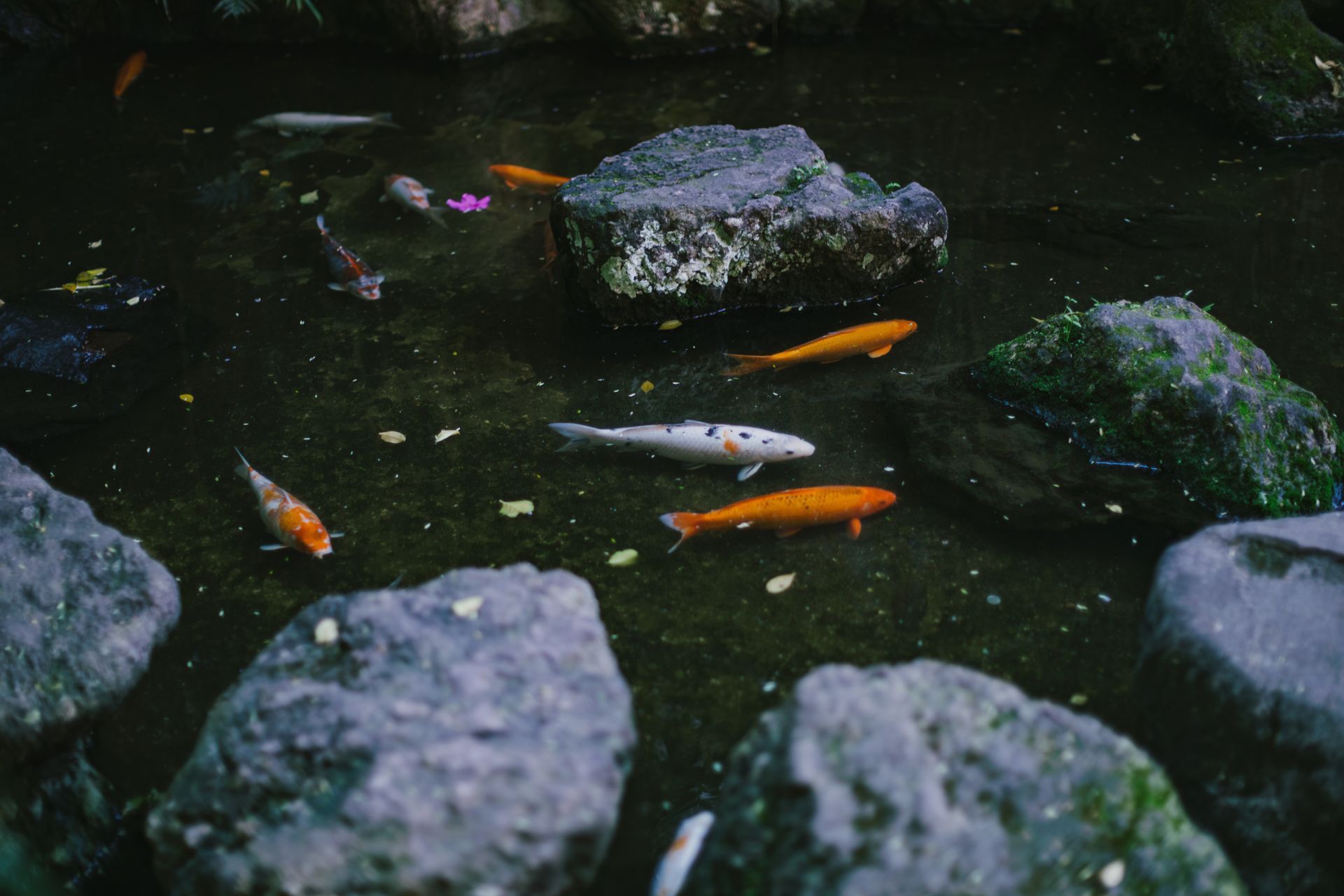
For koi in Connecticut, we look for at least one zone that is 3 to 4 feet deep. This gives stable temperatures and room under the ice. Rocks and aquatic plants together shape shaded coves, overhangs, and visual breaks where koi feel safe from above and show calmer, more natural behavior.
Plant choices that support water quality
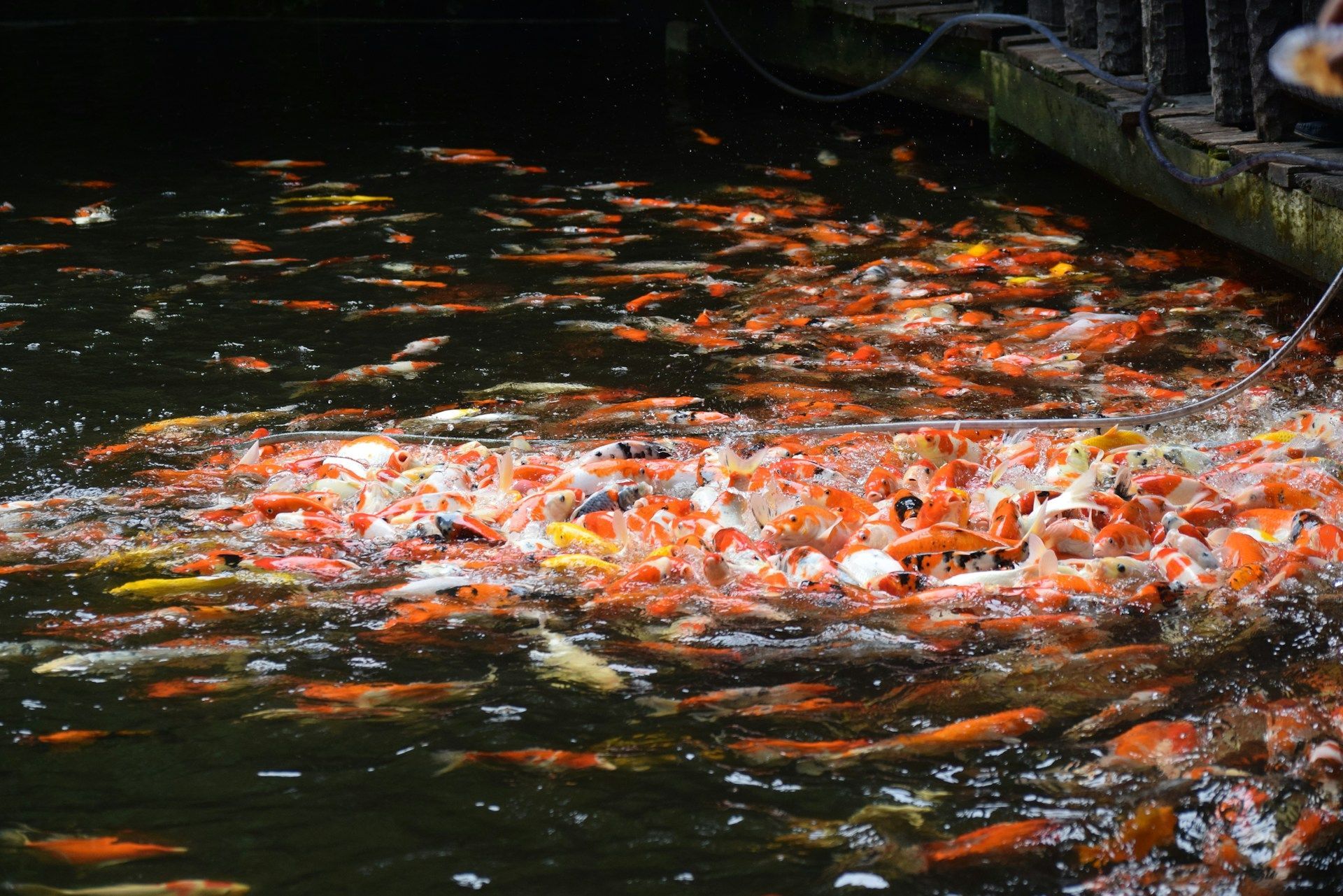
Fast-growing marginals and select floating plants help process koi waste. They ease the load on filters and help keep water clear. Still, even the best plant palette cannot fix an overstocked pond. Fish load, total water volume, and filtration surface area all need to match.
Everyday care for your living investment
Simple habits go a long way:
- Watch koi daily for changes in appetite or behavior
- Empty skimmer baskets about once a week
- Keep an eye on water clarity and temperature through the seasons
When water stays clear, temperatures swing gently, and koi are not stressed by bright sun or shallow water, they tend to live longer, stronger lives.
Water’s Voice and Planning Your Own “Always Belonged” Edges
Tuning the soundtrack of moving water
Waterfalls, cascades, and streams do double duty. They oxygenate the pond and also set the mood. A low, gentle spill is perfect for quiet mornings. A bolder cascade can help soften street noise. Stone placement and flow rate change the pitch, from a light trickle to a deeper rush, so shaping the falls is as much about feeling as it is about function.
Reflections, light, and everyday escapes
Still pockets of water framed by lilies, overhanging foliage, and soft margins give rich reflections. Sky, trees, and flowers all show up on the surface. On warm evenings, it can feel like having your own small world of light, sound, and slow movement, just a few steps from the back door.
Assessing your yard with a naturalist’s eye
Before placing a pond, we like to walk the property and notice:
- Where the sun lands through the day
- Existing trees and root zones
- Slopes and how water already moves across the yard
- Key views from patios, decks, and main windows
Think about where water would naturally want to flow and settle. That often suggests the best spot and shape for a pond that looks like it belongs.
Planning plant-led edges
Instead of starting with a simple oval, sketch zones: deep koi refuge, planting shelves at different depths, and wide shoreline beds. List the kinds of aquatic plants and seasonal effects you want first. Then shape stonework, waterfalls, and paths to support that living framework. This is how a backyard water feature shifts from “pond in the yard” to “backyard sanctuary shaped by nature.”
Get Started With Your Project Today
If you are ready to transform your yard into a thriving water garden, we can help you choose and design with the right
aquatic plants for a healthy, balanced pond. At PD Waterscapes, we take the time to understand your space, your goals, and your maintenance preferences so your water feature looks great year-round. Reach out to our team today through our
contact page to schedule a consultation and start planning your custom waterscape.